


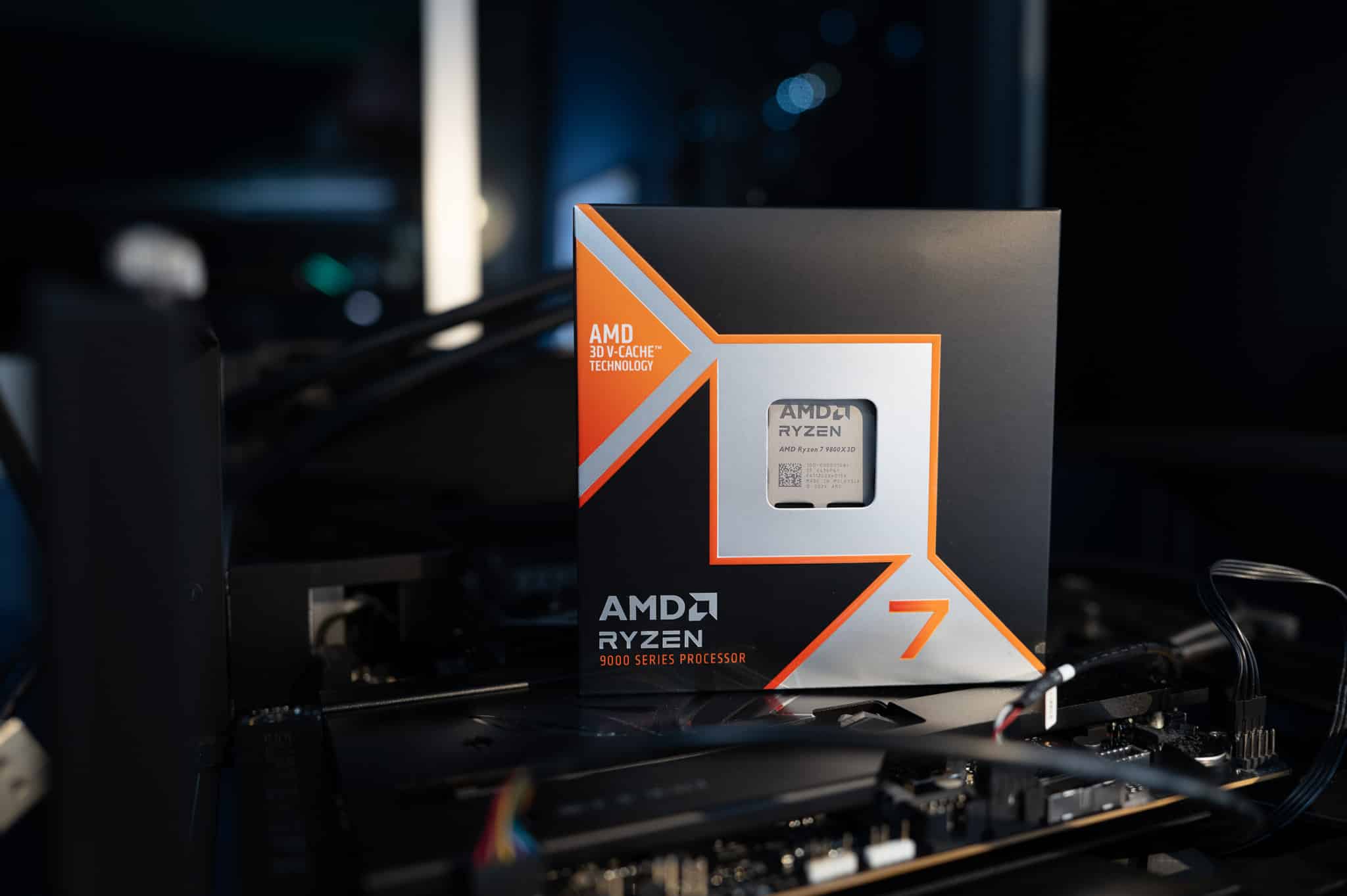
ASRock releases a new BIOS update to address reported failures of the AMD Ryzen 9 9800X3D processor. The company also issues a statement that challenges claims of widespread processor failures and addresses what it calls “misinformation.” The BIOS update focuses on adjustments to voltage parameters, a critical factor in processor stability.
Reports of Ryzen 9 9800X3D failures surfaced in online forums and tech communities. Users described system instability, crashes, and complete processor failures. These reports gained traction quickly, resulting in concerns among consumers. ASRock’s BIOS update is a direct response to these reports.
The update, available on ASRock’s website, targets specific motherboard models compatible with the Ryzen 9 9800X3D. The company recommends users update their BIOS to the latest version. The update specifically changes the processor’s voltage settings. Excessive voltage can cause thermal damage and lead to processor failure.
ASRock’s official statement denies that the failures are widespread. The company asserts that a small number of users experienced problems. ASRock claims some reports contain inaccurate information. The company states that it worked with AMD to analyze the reported issues. The analysis points to voltage settings as the primary cause of failures.
The company explains that some motherboard settings, or user configurations, may allow voltage levels to exceed safe limits. The BIOS update implements stricter voltage control. This prevents the processor from receiving excessive power.
AMD released the Ryzen 9 9800X3D processor with 3D V-Cache technology. This technology boosts gaming performance. However, it also presents thermal challenges. The 3D V-Cache increases heat density. This makes precise voltage control essential.
Users who encountered problems report that the processor failed under heavy load. This includes gaming and demanding applications. The failures often occurred after periods of sustained high performance. The processors became inoperable.
ASRock advises users to follow the BIOS update instructions carefully. Incorrect BIOS updates can cause motherboard damage. Users should download the update from ASRock’s official website. The company also recommends that users monitor processor temperatures. High temperatures indicate potential problems.
The company’s statement emphasizes that the majority of Ryzen 9 9800X3D users do not experience failures. It claims that the processor is stable under normal operating conditions. The company points to the importance of proper system configuration. This includes adequate cooling and correct BIOS settings.
The voltage issue is not new to high performance CPUs. Overvolting, either by design or user error, can cause damage. The 9800X3D’s sensitive design makes it more susceptible. ASRock’s response is to provide a safeguard through the BIOS.
The company does not provide specific numbers of reported failures. It avoids direct criticism of any specific reports. Instead, it focuses on providing the fix and clarifying the situation. ASRock wants to maintain user confidence.
The BIOS update is available for multiple motherboard models. Users should check the model compatibility list on ASRock’s website. The company recommends backing up existing BIOS settings before applying the update. This provides a way to revert to previous settings if necessary.
ASRock includes instructions for the BIOS update process on its website. The instructions provide step-by-step guidance. The company also offers customer support for users who encounter problems.
The issue highlights the complexity of high-performance computing. Small variations in voltage can have significant effects. Manufacturers work to balance performance and stability. BIOS updates are a common way to address these issues.
The company aims to restore consumer trust. It addresses the issues quickly. It also provides clear information. Users can access the BIOS updates and information directly from the company.
The company clarifies that the failure is not a design flaw with the processor itself. The problem stems from voltage parameters. The company’s clarification is intended to reduce consumer anxiety.
ASRock’s action is a standard procedure in the PC industry. When issues arise, manufacturers provide fixes. The company’s response shows its commitment to supporting its products.
The company’s statement also addresses the role of online forums. Information shared in forums can be inaccurate. The company emphasizes the importance of relying on official sources.
The company provides direct links to the BIOS updates. This ensures users can access the correct files. Users should avoid downloading BIOS updates from third-party websites.
The company continues to monitor user feedback. It will provide further updates as needed. ASRock aims to ensure the stability of its products.