

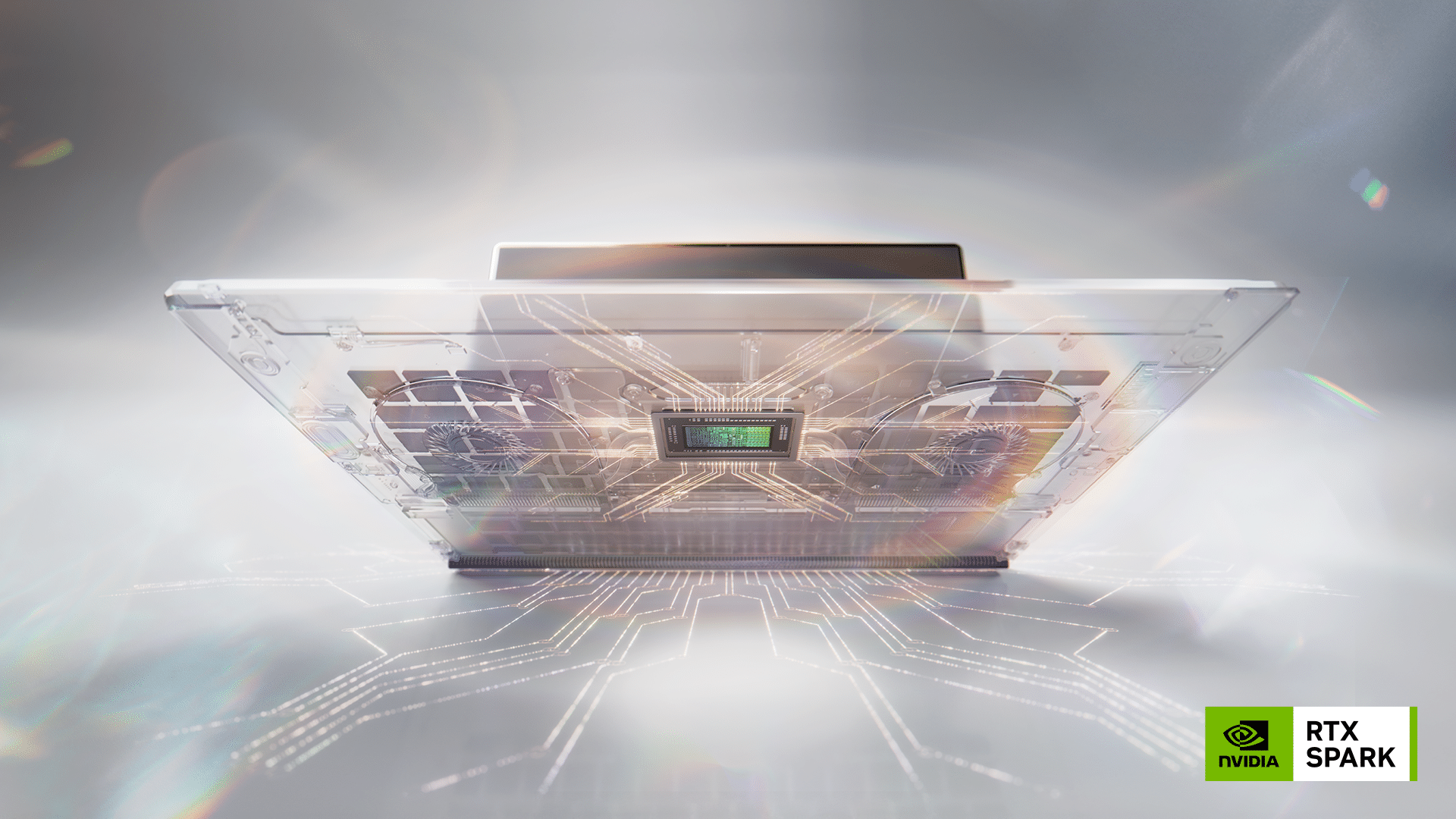
Nvidia just showed off its new RTX Spark superchip at GTC Taipei on June 1, 2026. This isn’t just another chip. It’s a big change in how you’ll use your PC. Nvidia built it with Microsoft and MediaTek, so you get advanced graphics, strong processing, and hardware security all in one. The chip hits 1 petaflop of AI performance with FP4 math. Under the hood, there’s a 20-core CPU and a GPU with 6,144 cores. You’ll start seeing laptops and compact desktops with this tech before the end of the year.
Key Takeaways
- Hardware Design: Features a 20-core Nvidia Grace central processing unit built with design input from MediaTek, combined with an Nvidia Blackwell graphics processing unit and 128 gigabytes of shared memory.
- Local Processing: Delivers 1 petaflop of computation power to handle large language models containing up to 120 billion parameters directly on the machine.
- System Security: Microsoft and Nvidia introduced native security baselines and an open-source execution layer to manage data privacy for digital assistants.
- Software Integration: Application providers like Adobe are redesigning editing software to improve execution speeds by two times on the hardware.
- Market Availability: Computer manufacturers will release thin-and-light laptops and compact desktop systems starting this autumn.
The architectural layout combines distinct processing blocks via high-speed interconnect links to remove traditional performance bottlenecks. The system memory allocation scales up to 128 gigabytes, functioning as a shared pool accessible by both the graphics and system cores. This configuration allows creative professionals to load three-dimensional scenes larger than 90 gigabytes or modify 12K resolution video files directly from portable machines. Digital assistants can process up to 1 million words of contextual information locally without sending confidential data to external servers.
Security remains a primary objective of the shared platform. Microsoft added dedicated isolation boundaries within Windows, while Nvidia created an open-source security shell. This software layer blocks digital assistants from executing unauthorized actions and masks personal identity details when a query requires cloud computing resources. Open-source development projects, including OpenClaw and Hermes Agent, confirmed their software will support these safety protocols on the new hardware.
Independent software vendors are updating their application pipelines to exploit the hardware blocks. Adobe announced structural optimizations for Photoshop and Premiere Pro to maximize the use of the Tensor core accelerators. The updates introduce direct communication with the unified memory pool, speeding up image filters and multi-layered video rendering pipelines. For gaming, the chip supports hardware ray tracing and intelligent frame generation, maintaining frame rates above 100 frames per second at 1440p resolution in modern software titles.
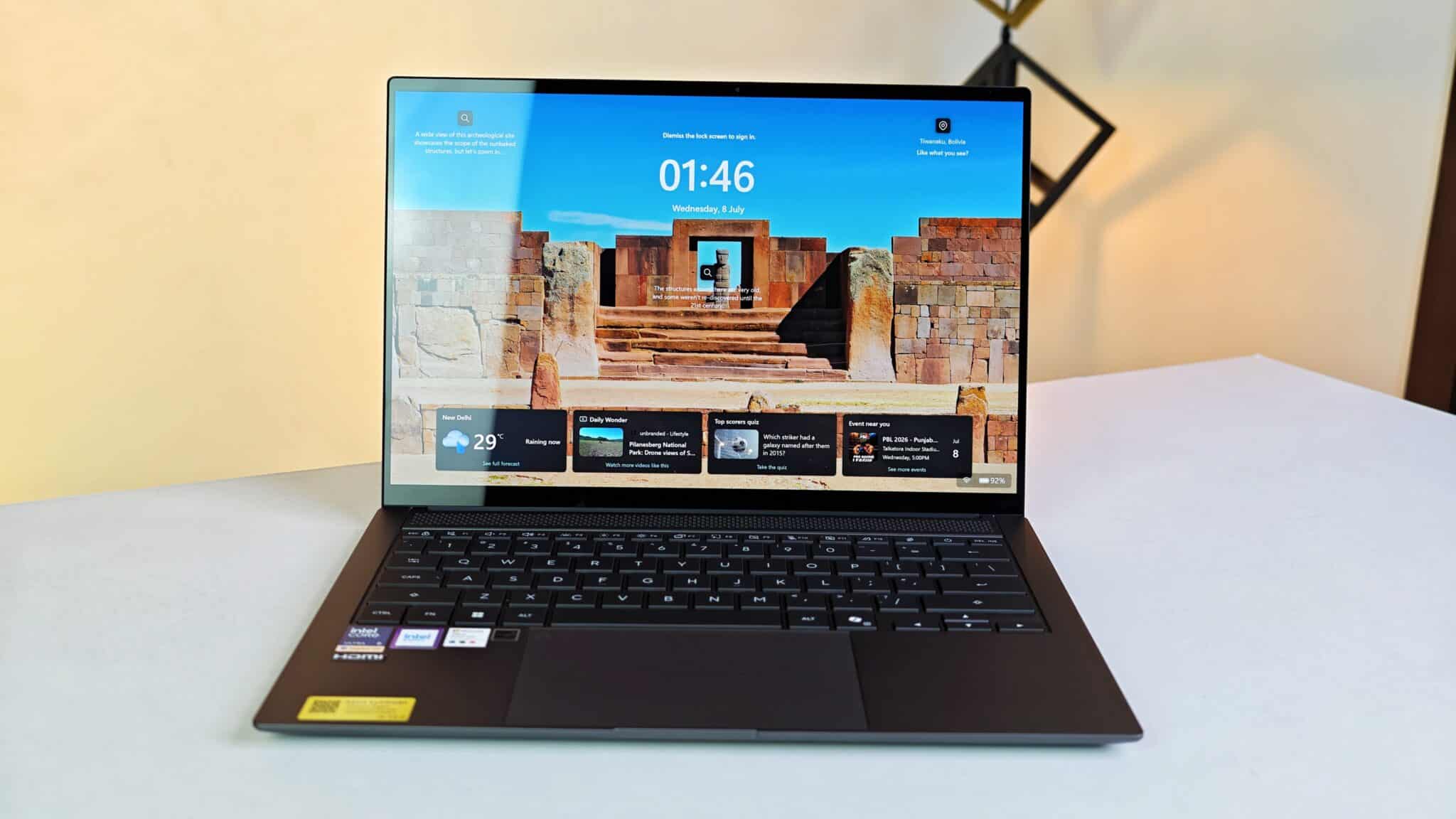
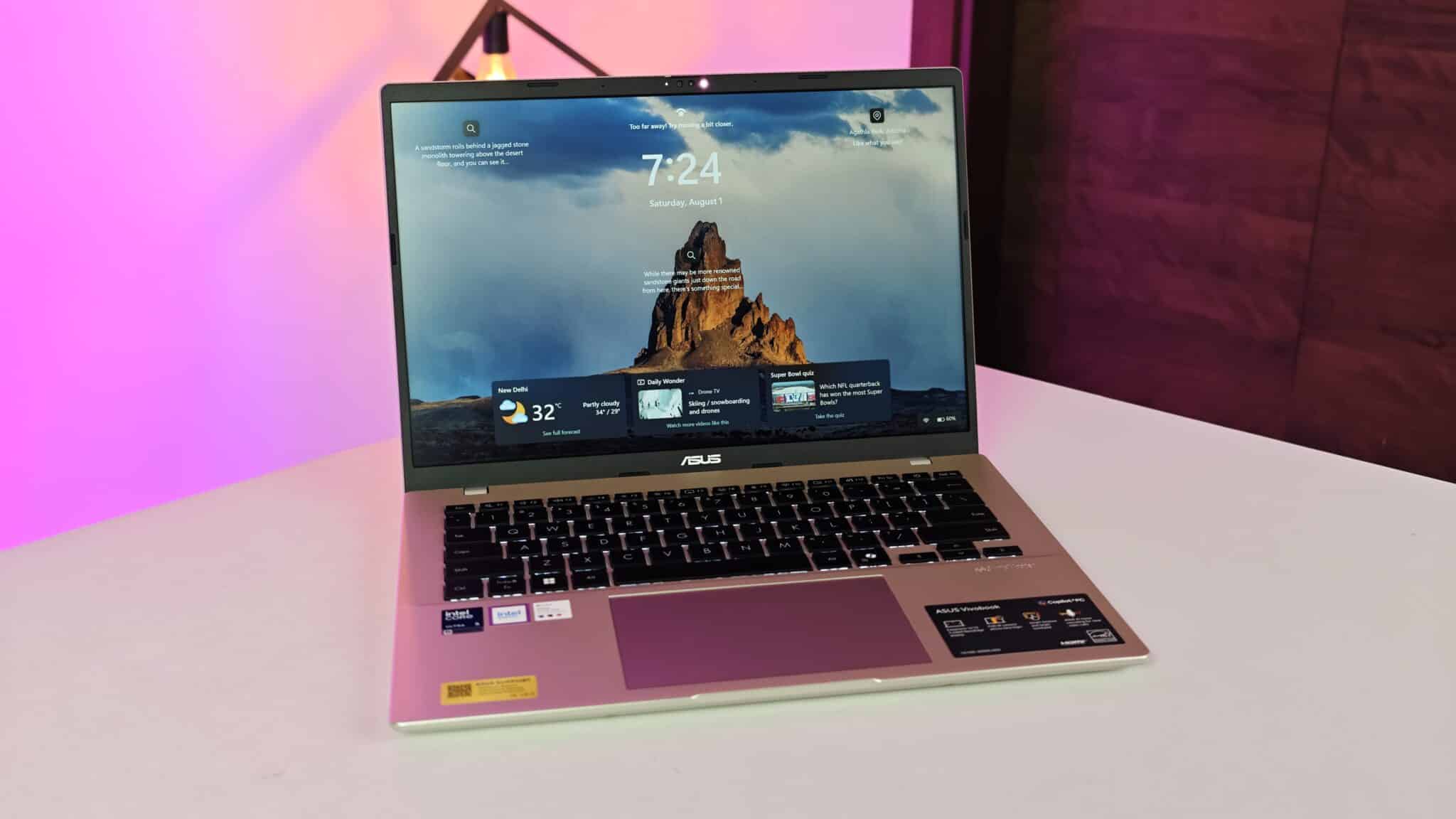
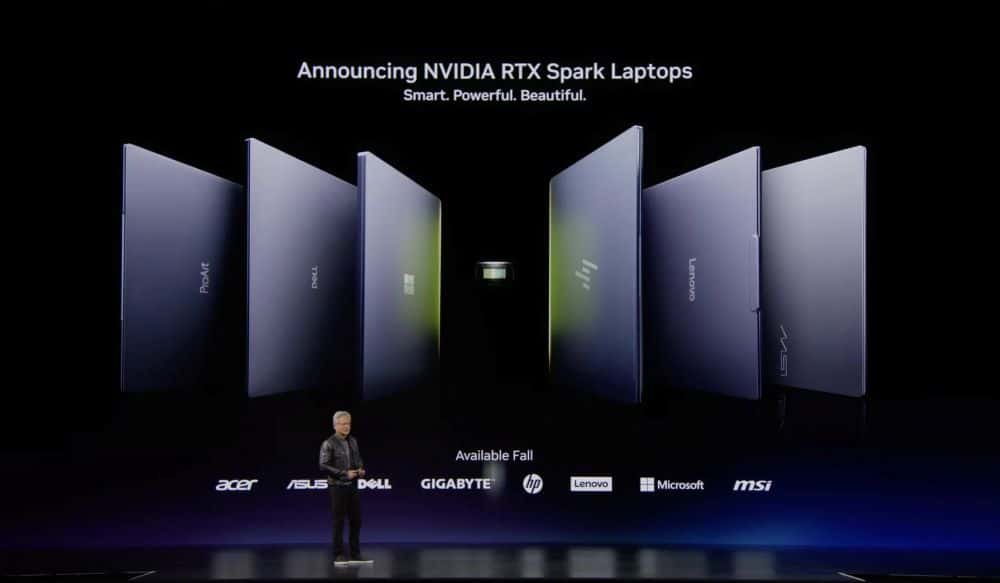
Hardware configurations from manufacturing partners will feature aluminum enclosures measuring 14 millimeters in thickness and weighing approximately 1.36 kilograms. The portable designs use high-efficiency screen technology with variable refresh rate synchronization. Initial computer models from Asus, Dell, HP, Lenovo, Microsoft, and MSI will arrive in retail channels this autumn, while systems from Acer and Gigabyte will arrive at a later date.
Frequently Asked Questions
Q1. What is the Nvidia RTX Spark?
A1. It is a highly integrated processing chip that combines a 20-core computer processor, a graphics chip with 6,144 compute cores, and shared memory on a single platform to run complex artificial intelligence tasks locally on personal computers.
Q2. How does the shared memory architecture function?
A2. The system supports up to 128 gigabytes of unified memory, allowing both the central processor and the graphics processor to access the same data pool simultaneously without copying information between separate memory banks.
Q3. When can consumers purchase these systems in India?
A3. Laptops and small desktop models from major brands will launch globally starting this autumn, with secondary manufacturers releasing their respective models soon after.