

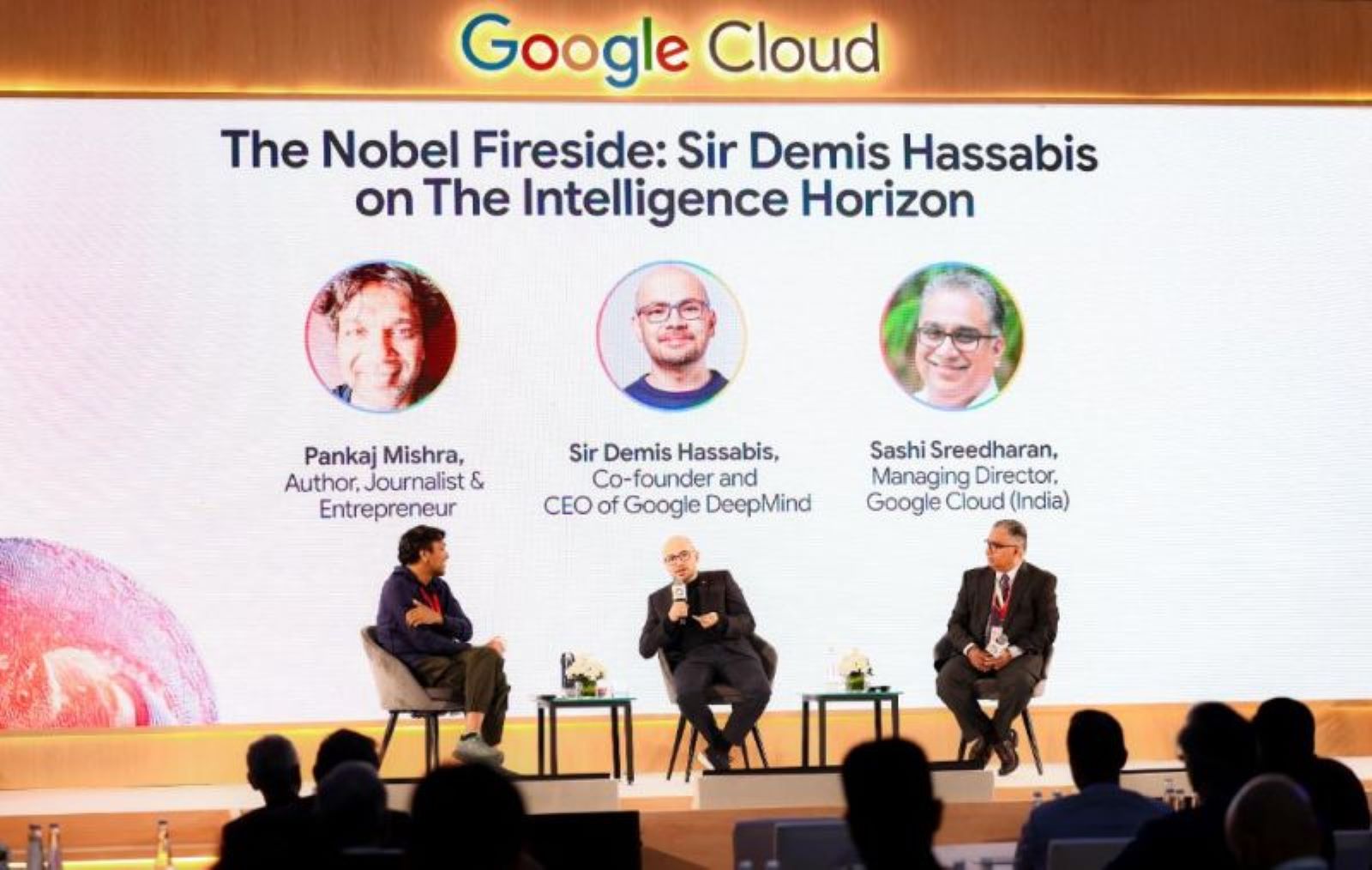
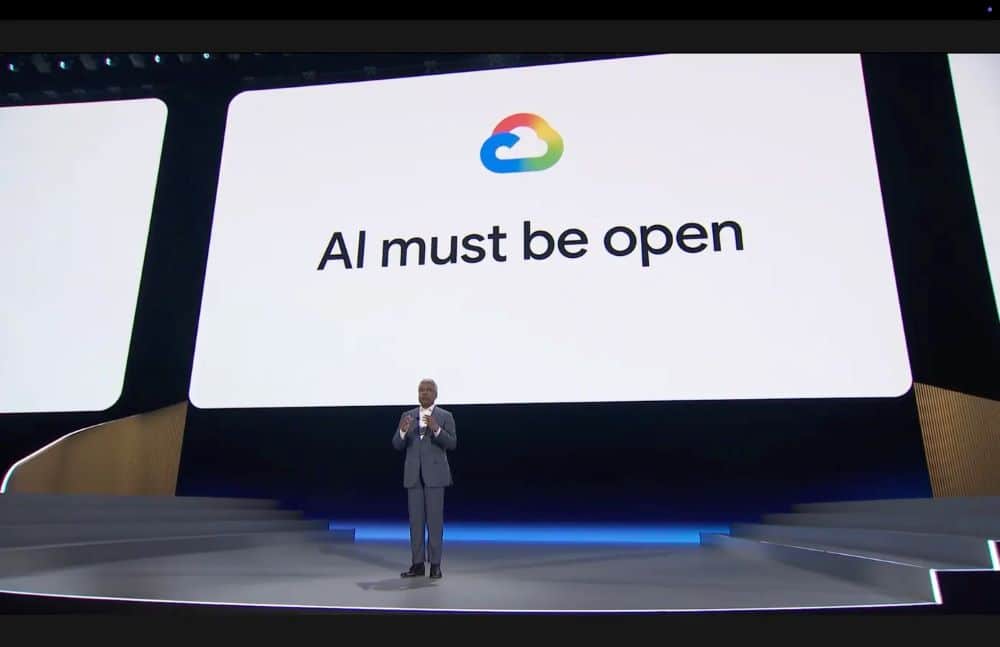
Google Cloud wrapped up its Leaders Connect India 2026 event series, a three-city tour that brought together corporate leaders to focus on generating clear financial returns from artificial intelligence investments. The events took place in Mumbai on May 25, Delhi on May 27, and Bengaluru on May 29. C-suite executives from banking, consumer goods, aviation, and digital commerce addressed the urgency of moving past isolated proof-of-concept projects toward full enterprise deployment. Google Cloud India Managing Director Sashikumar Sreedharan stated that businesses are now operating in an era where clear economic outcomes are mandatory for every AI deployment.
Key Takeaways
- The Outcome Mandate: Boards are moving away from testing what AI can do and are demanding clear paths to cost savings, customer retention, and new revenue.
- Hyper-Local Scale: In Mumbai, leaders discussed using autonomous AI agents to serve hundreds of thousands of distinct consumer micro-clusters across India.
- Value Over Cost: The Delhi session highlighted how aviation platforms can use AI to resolve flight disruptions and recover billions in lost revenue.
- Voice Interfacing: In Bengaluru, tech experts agreed that local language voice models are necessary infrastructure, given that only 15% to 20% of India uses English comfortably.
- Real-World Results: A newly expanded partnership between Google Cloud and e-commerce platform Meesho showed a 22% increase in sales conversions via an AI shopping assistant.
Moving From Testing to Business Value
The corporate discussions focused heavily on what Google Cloud calls the Economic Outcome Mandate. Corporate boards have stopped viewing AI as an IT infrastructure upgrade and now treat it as a deliberate financial investment. Sashikumar Sreedharan explained that less complex operational tasks can be shifted to autonomous AI agents, allowing corporate staff to focus on long-term business strategy. Sreedharan also highlighted tools like Google Distributed Cloud, which allow firms to keep sensitive data on-premises while using scalable cloud applications.
In Mumbai, regional leaders from McKinsey and consumer goods firms focused on how AI allows businesses to scale up customer service rather than just cut costs. Given India’s varied demographics, where local language and purchasing habits change frequently, AI models now make it possible to build hyper-localized supply chains and marketing for thousands of small consumer clusters. The panel advised using a phased rollout, starting with lower-stakes tasks like document summarization before moving to complex financial functions.
Operational Gains and Local Interfaces
The Delhi event included representatives from Akasa Air, the Open Network for Digital Commerce (ONDC), and Boston Consulting Group. The aviation segment focused on reducing global operational losses by using AI to analyze weather, aircraft maintenance, crew schedules, and passenger connections simultaneously. On digital commerce, panellists noted that only a small fraction of India’s 90 million sellers and 1.4 billion consumers use digital platforms. Shared AI systems were proposed to lower coordination costs and build trust across the country.
The final leg in Bengaluru focused on infrastructure challenges. Leaders from MakeMyTrip and InMobi Group discussed the high cost of processing large-scale AI data and the need for better context retention in long conversations. Because a vast majority of Indian citizens prefer regional languages over English, panel members emphasized that building accurate voice models is the most critical infrastructure requirement for the coming year.
To demonstrate this technology in action, Google Cloud highlighted its work with e-commerce marketplace Meesho. Meesho launched an AI shopping assistant named Vaani, powered by Google Gemini models, which drew 1.5 million users in its first month. The tool led to a 22% higher conversion rate among shoppers, offering a clear example of AI driving measurable business metrics.
Frequently Asked Questions
Q1. What was the main objective of the Leaders Connect India 2026 event series?
A1. The event series aimed to bring together business executives and tech visionaries to shift the national conversation around AI from basic experimentation to scalable corporate adoption that delivers measurable financial outcomes.
Q2. Which Indian cities hosted the Google Cloud event series?
A2. The three-city tour took place in Mumbai on May 25, Delhi on May 27, and Bengaluru on May 29, 2026.
Q3. What performance results did Meesho report from its use of Google Cloud AI?
A3. Meesho reported that its Gemini-powered voice assistant, Vaani, attracted over 1.5 million users in its debut month and achieved a 22% higher sales conversion rate among those users.
Q4. Why did the Bengaluru panel place such a heavy emphasis on voice models?
A4. The panel noted that only 15% to 20% of the Indian population is fully comfortable using English. Therefore, local language voice interfaces are a necessity for technology to reach the majority of consumers across the country.