

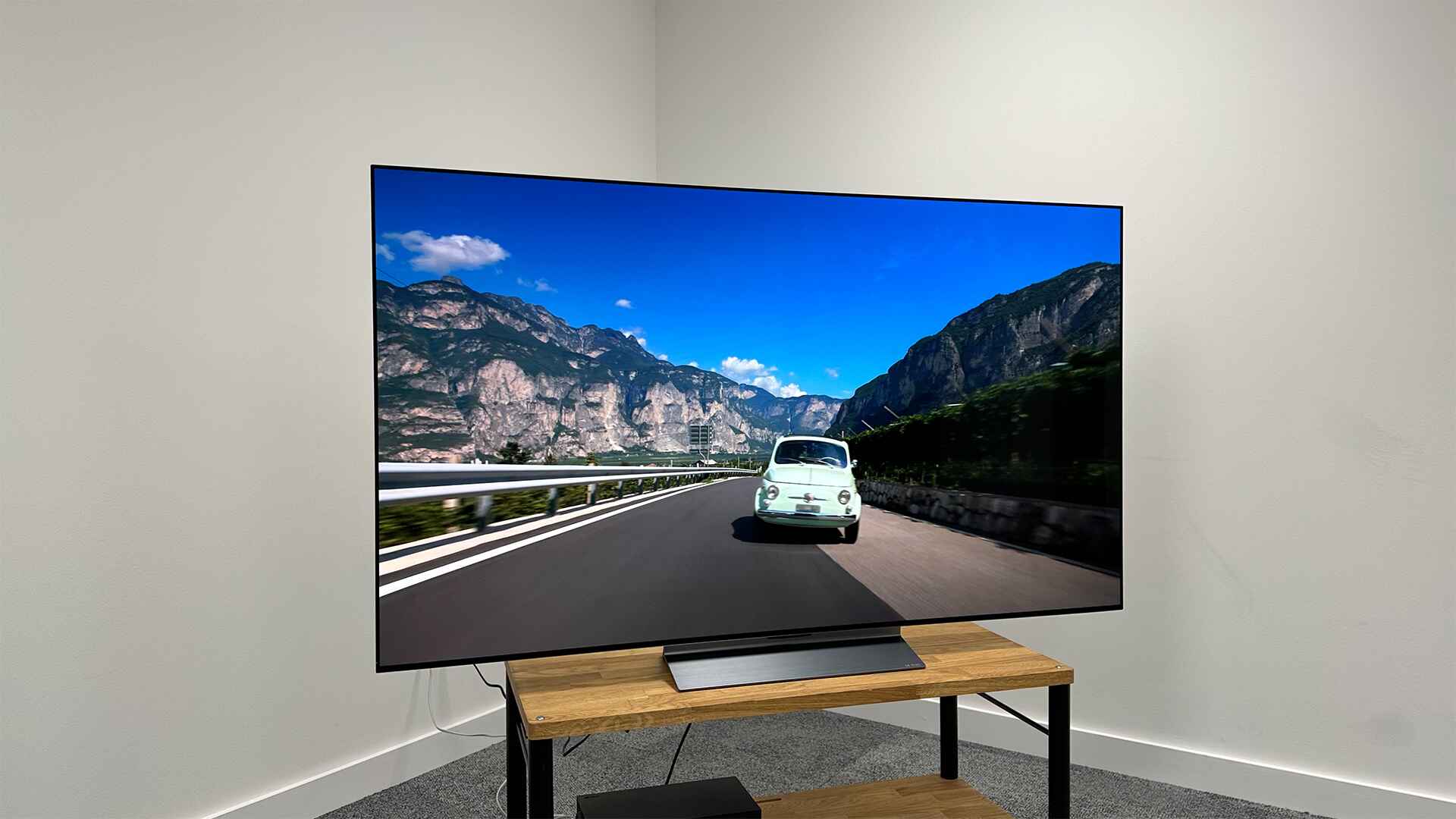
TV prices in India are quietly moving north in 2026, and the reasons go well beyond routine seasonal adjustments. Over the past few quarters, brands and retailers have been signalling calibrated price revisions, particularly in the smart TV and large-screen segments. What is unfolding is a cost story shaped by semiconductors, currency movements, panel dependence and a clear shift in consumer buying behaviour.
Industry estimates suggest that input costs across key TV components have hardened compared to the lows seen in 2023–24. With demand holding firm and supply-side pressures building again, manufacturers are finding it increasingly difficult to hold retail prices at earlier levels.
Memory Chips Turn Cost Drivers
One of the less visible but important triggers has been the rebound in memory pricing. DRAM and NAND flash, which sit at the core of smart TV processing and storage, have moved up after a prolonged slump. NAND flash pricing has also rebounded sharply. TrendForce estimates show NAND contract prices rose around 20–25% quarter-on-quarter during 2024 recovery cycles, reinforcing the upward pressure on smart TV component costs.
For television brands, memory is not the single largest cost element, but it is a sensitive one. Even a mid-single-digit increase in DRAM or NAND pricing can push up the overall bill of materials, especially in feature-heavy smart TVs. Vendors say the impact is more pronounced in mid-range and premium models where memory configurations are higher.
AI Boom Is Reshaping Chip Supply
What is making the situation trickier for consumer electronics is the global scramble for AI hardware. Data-centre players and hyperscalers are locking in massive volumes of high-performance memory and advanced chips.
Memory suppliers have openly acknowledged that capacity is being tilted toward high-bandwidth memory and server-grade products because that is where margins are strongest. The ripple effect is subtle but real: mainstream consumer components are no longer as abundant or as cheap as they were two years ago.
TV makers are not facing outright shortages yet. But procurement teams say lead times have tightened and pricing negotiations have become less flexible. In a category that runs on thin margins, even small upstream shifts tend to travel quickly to retail pricing.
India’s Open Cell Dependence
Panels still account for the biggest chunk of a television’s cost structure. And here, India continues to have a structural exposure.
The domestic TV industry remains heavily dependent on imported open cells, largely sourced from East Asian suppliers. Industry body CEAMA has repeatedly flagged this as one of the sector’s biggest cost vulnerabilities. When global panel prices move, or when currency turns unfavourable, Indian retail prices tend to follow with a lag.
This dependence becomes more visible during upcycles like the current one. With limited local panel manufacturing at scale, brands have little room to cushion sudden cost swings. For now, most are relying on calibrated price adjustments rather than sharp hikes.
Rupee Movement Adds to Cost Pressure
Currency has quietly added another layer of stress. The rupee has seen periodic weakness against the US dollar over the past year, and since most key TV components are imported, even small currency movements affect landed costs.
For brands working on thin operating margins in the highly competitive TV segment, absorbing sustained forex pressure is difficult. Most companies prefer gradual price adjustments rather than sudden spikes, which is partly why retail prices appear to be inching up rather than jumping sharply.
Duties, Freight and the Cost Stack
Policy changes also feed into the pricing equation. Revisions in import duties on certain electronic components over recent budget cycles have altered cost calculations for assemblers. While the intent is to encourage localisation, the near-term effect can be higher input costs until domestic ecosystems deepen.
Shipping costs, although far below pandemic peaks, remain more volatile than in the pre-2020 era. Logistics firms continue to report periodic freight fluctuations tied to fuel costs and route disruptions. For a category that depends heavily on imported panels and components, freight still matters.
Bigger Screens, Better Specs
There is also a demand-side story playing out. According to industry retail trackers, the share of 55-inch and above TVs in India’s overall sales mix has been rising steadily. A recent report by Counterpoint Research data indicates that TVs 43-inch and above now account for nearly two-thirds of the Indian market, highlighting a clear consumer shift toward larger screens.
Consumers upgrading for OTT viewing and gaming are opting for larger screens, QLED panels, higher refresh rates and Google TV platforms.
These upgrades come at a cost. Larger panels, better backlighting and more powerful chipsets all expand the bill of materials. When consumers move up the value chain, the average selling price of the category naturally trends higher.
Fewer Fire-Sale Discounts
One more shift is visible in market behaviour. Inventory levels across major brands are healthier than they were during the heavy correction phase of 2023. With less excess stock to clear, companies are showing greater pricing discipline. Deep discounting windows still exist during festive periods, but the blanket price cuts seen earlier are becoming less frequent.
Put together, the rise in TV prices in 2026 is not being driven by a single shock. It is the result of firmer memory costs, semiconductor reprioritisation, panel import dependence, currency pressure and a consumer shift toward larger, more feature-rich televisions. Unless display localisation accelerates or component costs soften meaningfully, pricing in the TV market is likely to remain on a gradually firming path.
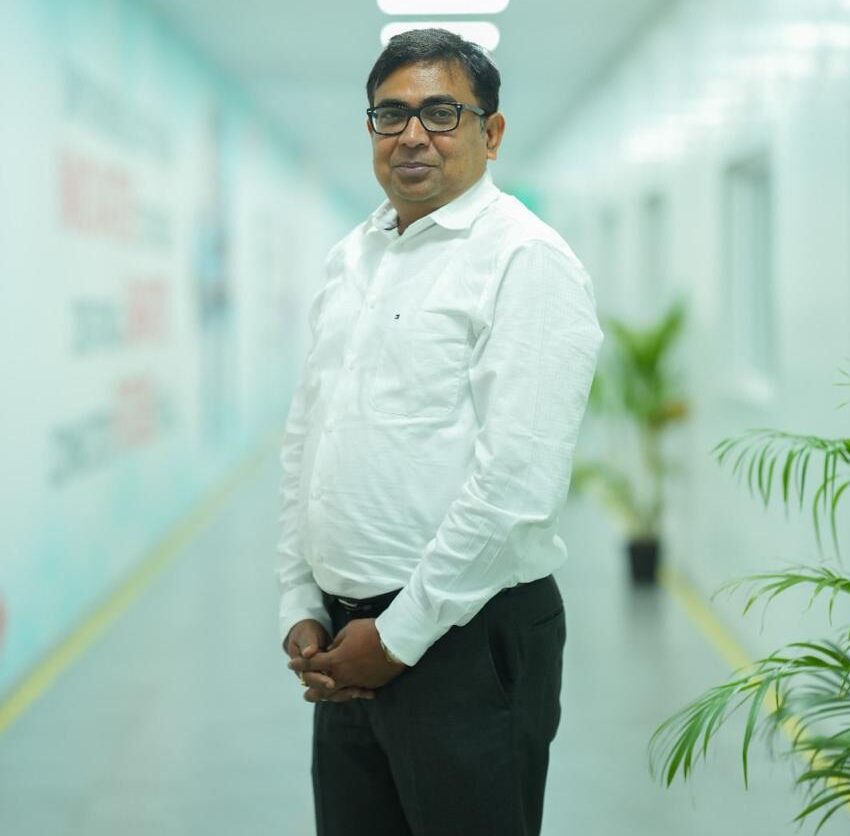 Article By Pawan Kumar, CEO of Elista
Pawan Kumar, CEO of Elista, is a consumer-centric leader with over 22 years of experience in the electronics industry. He translates market insights into breakthrough innovations, creating products that are aspirational for metro consumers while remaining accessible to Bharat households.
An alumnus of Jiwaji University, Pawan honed his expertise at Intex Technologies for nearly two decades before taking on the challenge of scaling Elista. At Elista, he has built more than a brand; he has created a consumer promise that blends advanced technology with affordability and exceptional after-sales service. His leadership has been central in building trust with first-time buyers in Tier 2 and Tier 3 towns, while also meeting the aspirations of metro consumers seeking global-standard products.