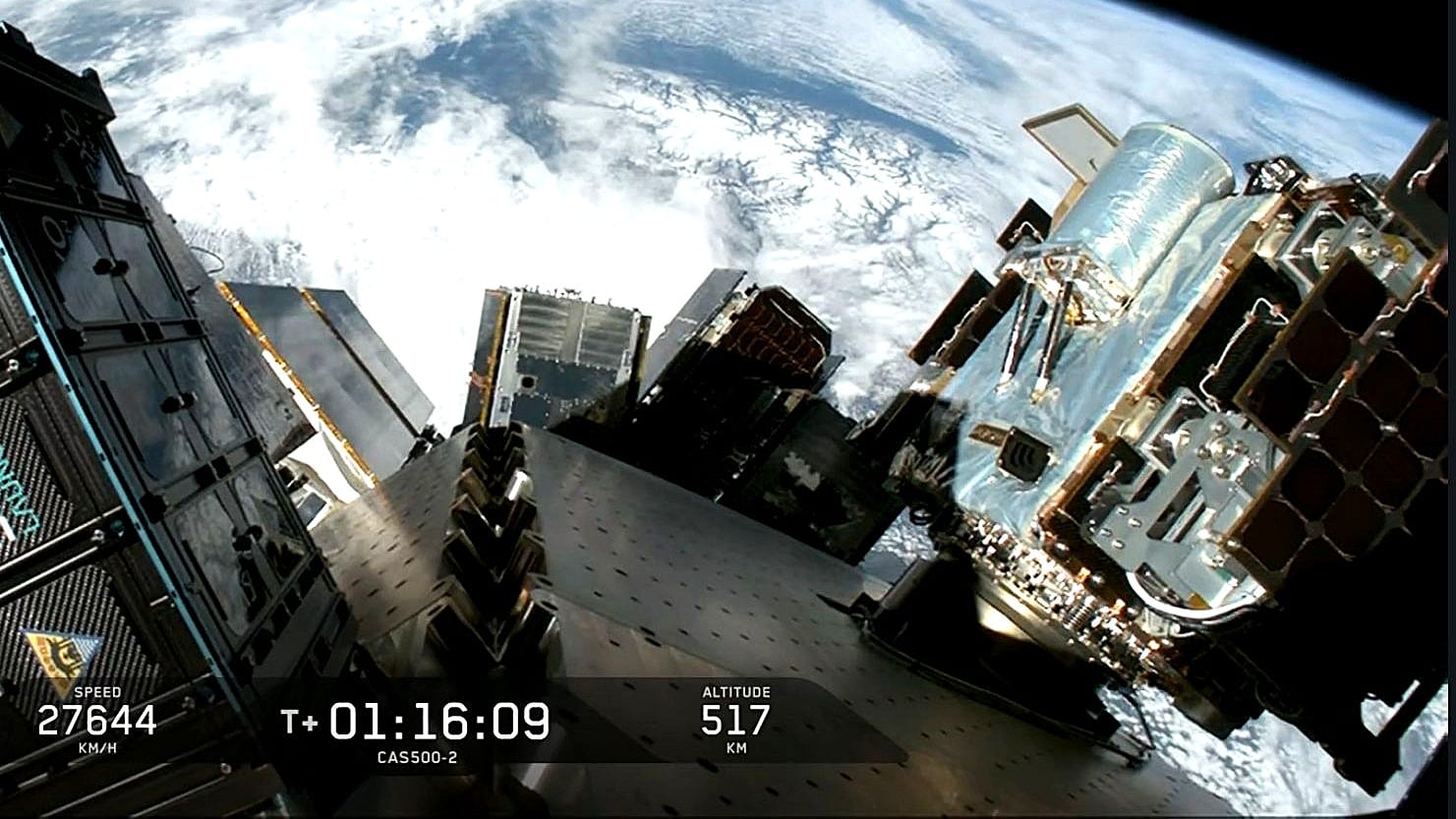
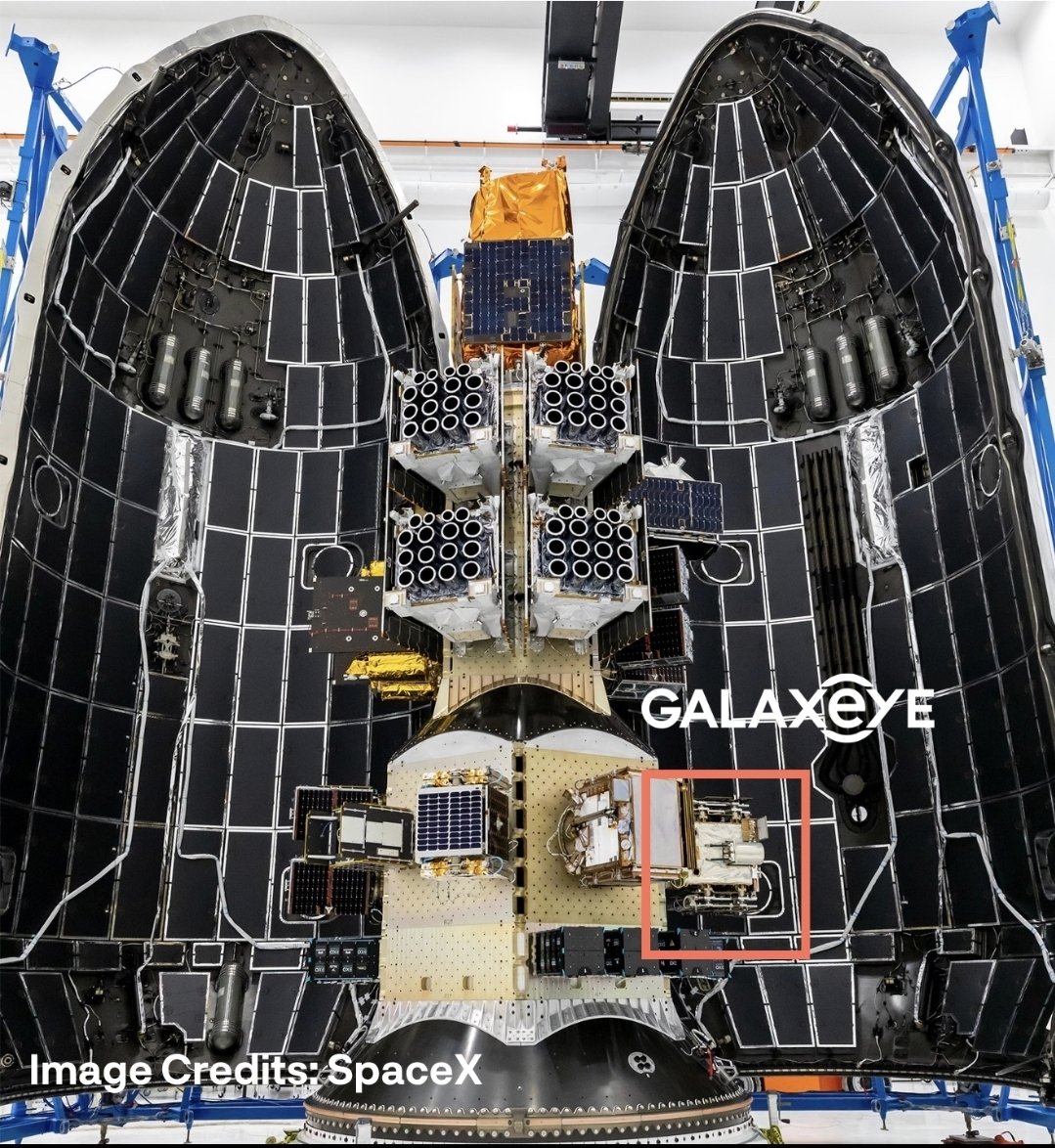
GalaxEye Space, a Bengaluru startup, hit a big milestone on May 3, 2026. They launched their first satellite, Drishti, into orbit. The launch happened at 12:30 PM IST from Vandenberg Space Force Base in California. SpaceX’s Falcon 9 rocket did the heavy lifting, sending the 190 kg satellite into a sun-synchronous low earth orbit. This isn’t just another launch. Drishti is now the largest earth observation satellite built by a private Indian company. That’s a big deal for India’s private space sector.
Key Takeaways
- GalaxEye Space launched the 190 kg Drishti satellite using a SpaceX Falcon 9 rocket on May 3, 2026.
- The spacecraft carries world-first OptoSAR technology that merges radar and optical sensors.
- You get clear images, no matter the weather. Night, rain, thick clouds – it doesn’t matter.
- The data? It’s useful for defense, agriculture, and disaster response.
- The startup plans to deploy a network of 10 satellites by 2030.
Drishti carries something called OptoSAR. It’s a mix of Synthetic Aperture Radar (SAR) and multi-spectral optical sensors, all in one satellite. Most satellites pick one or the other. Optical cameras give you sharp pictures, but they’re useless in clouds or at night. Radar works in any weather, but the images can be tough to read. Put them together, and you get clear, readable data, day or night, rain or shine.
GalaxEye’s engineers spent five years building this thing. They used something called SyncFusion to line up the radar and optical data at the same time. So, the satellite snaps both types of images of the same spot, all at once. It orbits at 500 kilometers up, with resolution between 1.2 and 3.6 meters. You get RGB, Near-Infrared, and X-band radar coverage. Pretty technical, but it means more useful images.
Prime Minister Modi gave the mission a shout-out on social media. He said it shows how much India’s young people care about space tech. ISRO and IN-SPACe helped out along the way. GalaxEye even tested their tech on ISRO’s platforms before building the full satellite.
Mission Drishti by GalaxEye marks a major achievement in our space journey. The successful launch of the world’s first OptoSAR satellite and the largest privately-built satellite in India is a testament to our youth’s passion for innovation and nation-building.
Heartiest…
— Narendra Modi (@narendramodi) May 3, 2026
Mission Drishti’s data isn’t just for show. Farmers can check crops even when it’s pouring or cloudy. Agencies can track floods or wildfires through smoke, no need to wait for clear skies. Defense gets round-the-clock border monitoring, rain or shine, day or night.
Suyash Singh, GalaxEye’s CEO and co-founder, says they’re busy finishing the satellite’s setup in orbit. He also mentioned there’s already strong interest from clients worldwide. The plan is to build out a ten-satellite network by 2030, so they can snap the same spot on Earth more often. Makes sense if you want up-to-date images.
Separation Confirmed!
The world’s first OptoSAR Satellite is now in space.
Made in India for the world.
Go Drishti! Go @GalaxEye! Go India! pic.twitter.com/tNKFKwvlK6
— GalaxEye (@GalaxEye) May 3, 2026
Frequently Asked Questions
Q1. What is the weight of the Mission Drishti satellite?
A1. The satellite weighs approximately 190 kilograms, which makes it the largest private earth observation satellite from India.
Q2. Which rocket was used to launch the GalaxEye satellite?
A2. A SpaceX Falcon 9 rocket launched the satellite from California, United States.
Q3. How does OptoSAR technology work?
A3. OptoSAR combines radar sensors with optical cameras on one satellite to provide clear images during the day, night, and in cloudy weather.
Q4. Where is GalaxEye Space based?
A4. GalaxEye Space is a space technology startup based in Bengaluru, India.
Q5. What are the main uses for Mission Drishti data?
A5. The data is used for agriculture monitoring, disaster management, maritime tracking, and defense surveillance.