


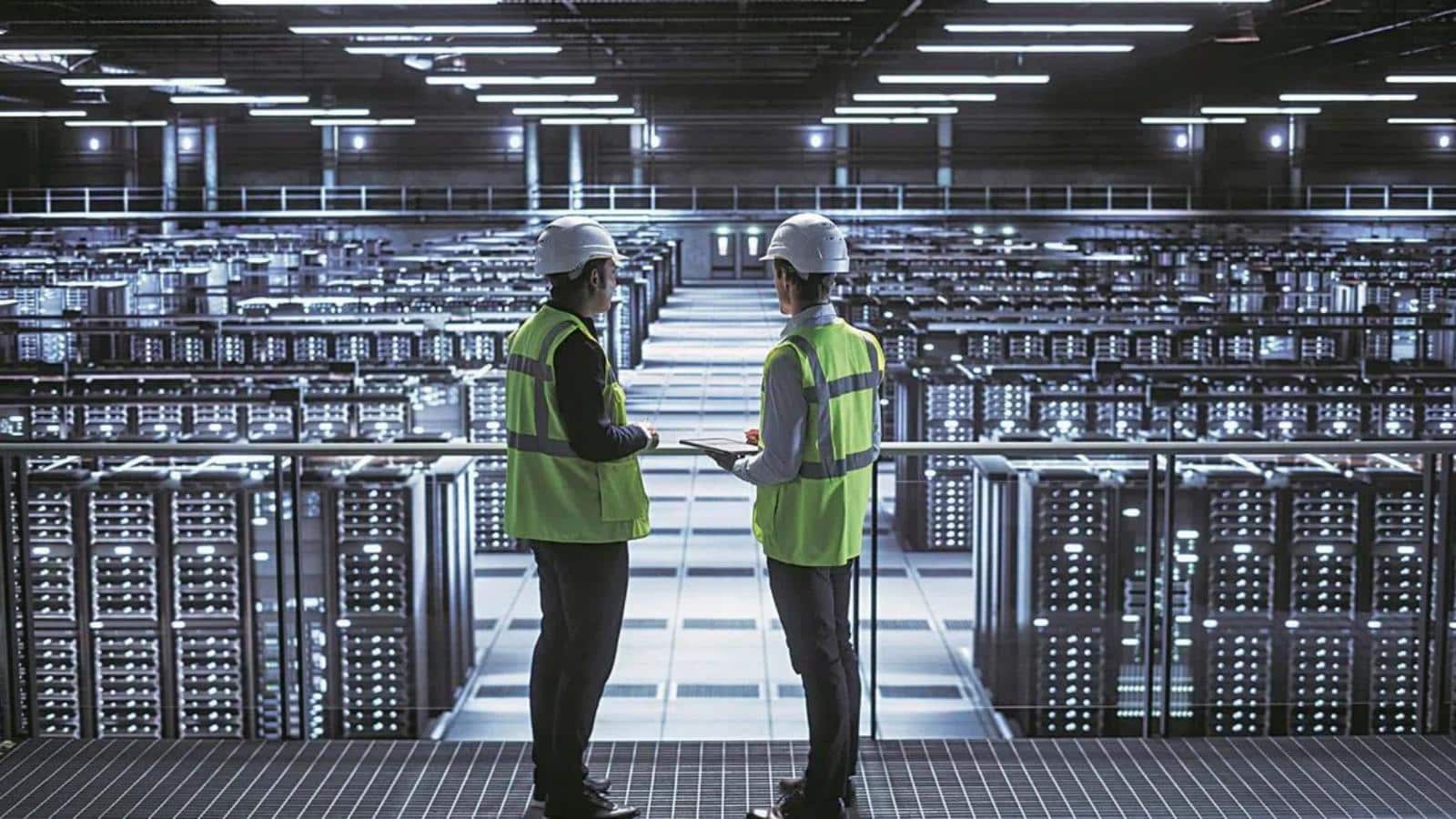
Global technology companies and domestic conglomerates are directing billions of dollars into India to build artificial intelligence data centers. The country generates about 20% of global data but houses only 3% of the world’s data center capacity. This gap has prompted firms like Google, Amazon, Reliance Industries, and Adani Group to announce heavy financial plans, turning India into a primary target for AI infrastructure development.
Key Takeaways
- India plans to increase its data center capacity from 1.6 gigawatts in 2025 to over 5 gigawatts by 2030.
- Reliance Industries and Adani Group plan to spend over $200 billion combined on AI infrastructure by 2035.
- Technology companies are looking beyond Mumbai to build data centers in Hyderabad, Pune, Chennai, and Visakhapatnam.
- Current operational AI-dedicated capacity stands at roughly 0.3 gigawatts.
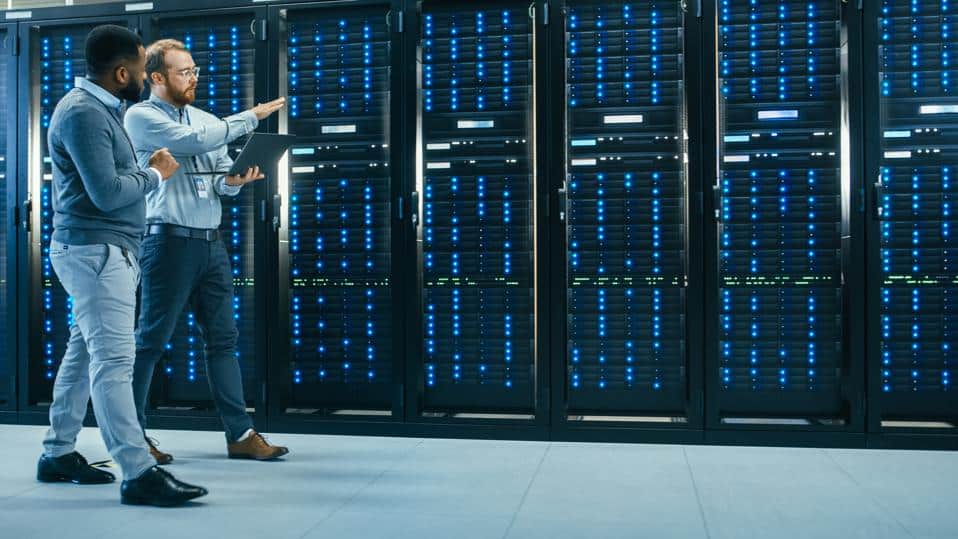
At the recent India AI Impact Summit in 2026, companies announced over $250 billion in investments for AI computing systems and data centers. Amazon Web Services pledged $8.3 billion to its Mumbai region. Google recently started building a $15 billion AI facility in Visakhapatnam in partnership with AdaniConneX and Airtel Nxtra. Microsoft is preparing to open its South Central cloud region in Hyderabad in mid-2026.
Indian companies are also participating heavily in this growth. Reliance Industries outlined plans to spend roughly $110 billion over the next seven years to build sovereign AI setups and edge computing networks. Adani Group announced a $100 billion plan to develop 5 gigawatts of AI data centers run by renewable energy by 2035. Blackstone is also entering the market, planning to spend $30 billion to build over 5 gigawatts of capacity through AirTrunk.
Execution still faces practical hurdles. India currently has a total operational data center capacity of about 1.6 gigawatts, with Mumbai holding nearly half of the market share. However, only 300 megawatts of that capacity is actually dedicated to AI operations. Modern AI server clusters generate extreme heat, requiring advanced liquid cooling systems and continuous high-density electricity that older facilities cannot provide.
Because of high land costs and power availability issues in Mumbai, data center operators are shifting their focus. Cities like Hyderabad, Pune, Chennai, and Visakhapatnam offer cheaper land and better access to renewable energy. The Indian government offers tax benefits until 2047, making these long-term projects more appealing to foreign and domestic investors. Authorities are encouraging companies to use renewable energy sources to supply these facilities, reducing the burden on public electricity grids.
The growth also raises environmental concerns. Data centers require millions of gallons of water annually for cooling systems. With India facing potential water shortages by 2030, operators must secure non-potable water sources and adopt dry cooling methods to avoid straining local water supplies.
FAQs
Q1. How much data center capacity does India have in 2026?
A1. India has approximately 1.6 gigawatts of operational data center capacity, though only about 300 megawatts are specifically dedicated to AI workloads.
Q2. Which cities are becoming new hubs for data centers in India?
A2. While Mumbai remains the primary location, companies are rapidly expanding into Hyderabad, Chennai, Pune, and Visakhapatnam due to better land pricing and power availability.
Q3. What are the environmental concerns related to AI data centers?
A3. AI data centers consume high volumes of electricity and water for cooling hardware. This high resource usage creates concerns about straining local water supplies and energy grids.