

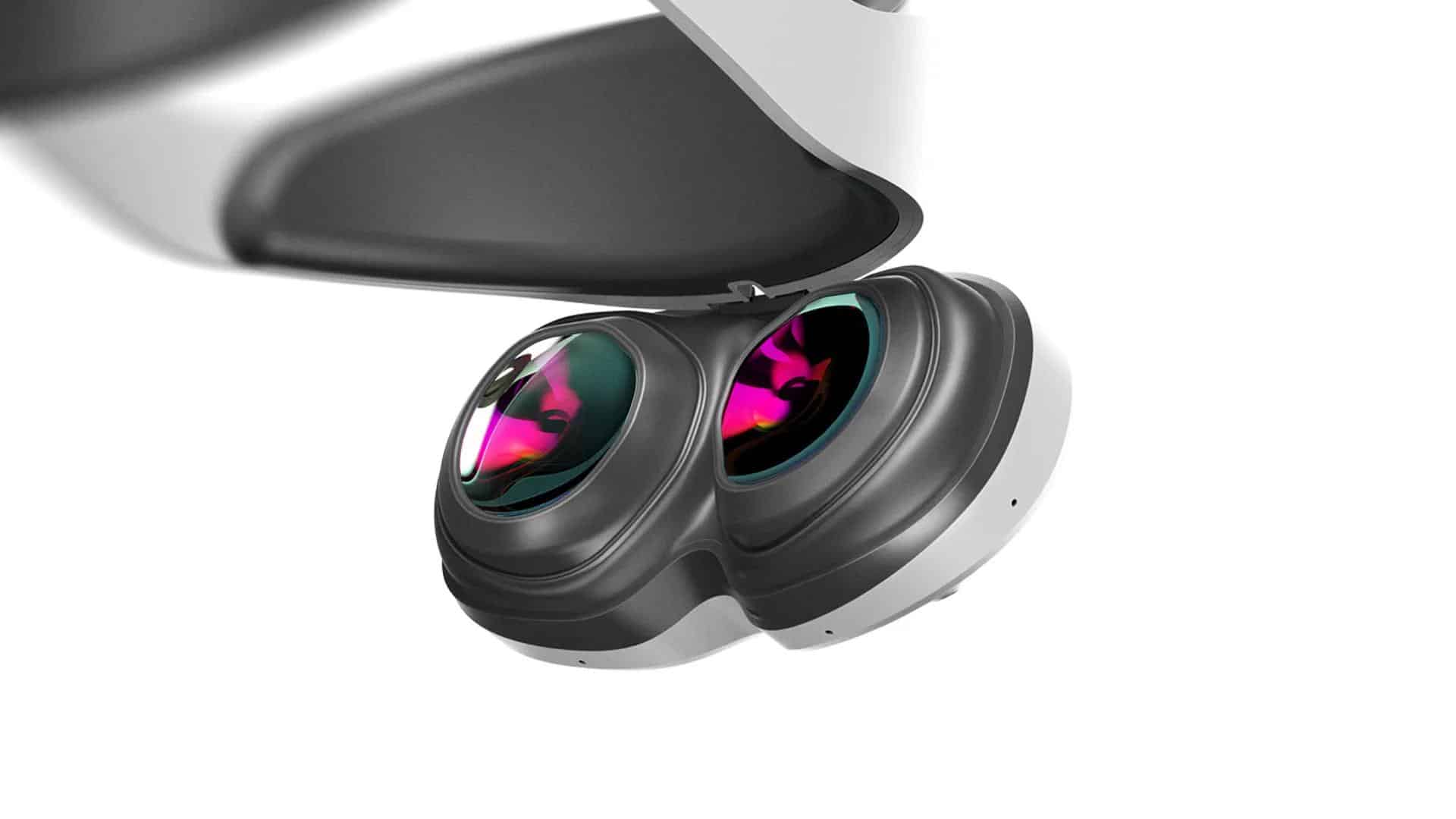
Global eyewear conglomerate EssilorLuxottica has acquired the assets, intellectual property, and team of French extended reality startup Lynx. The move follows the judicial liquidation of Lynx parent company SL Process in March after restructuring efforts collapsed. While the acquisition saves the startup’s engineering talent from obscurity, it places the commercial release of the highly anticipated Lynx R2 mixed reality headset in serious doubt. Lynx founder and CEO Stan Larroque confirmed the total transition of the brand name, databases, 3D manufacturing designs, and code to the new owner. However, Larroque will not join EssilorLuxottica, choosing instead to take a leadership position at drone manufacturer Parrot.
Key Takeaways
- Global eyewear leader EssilorLuxottica purchased all assets and IP of French mixed reality developer Lynx following its financial liquidation.
- Most of the Lynx engineering team is transitioning to EssilorLuxottica, though founder Stan Larroque is moving to drone company Parrot.
- The upcoming Lynx R2 standalone mixed reality headset is likely shelved as the new owner focuses on software and tracking technology.
- Industry analysts view this as a move by EssilorLuxottica to secure independent spatial mapping technology for smart eyewear, reducing reliance on Big Tech ecosystems.
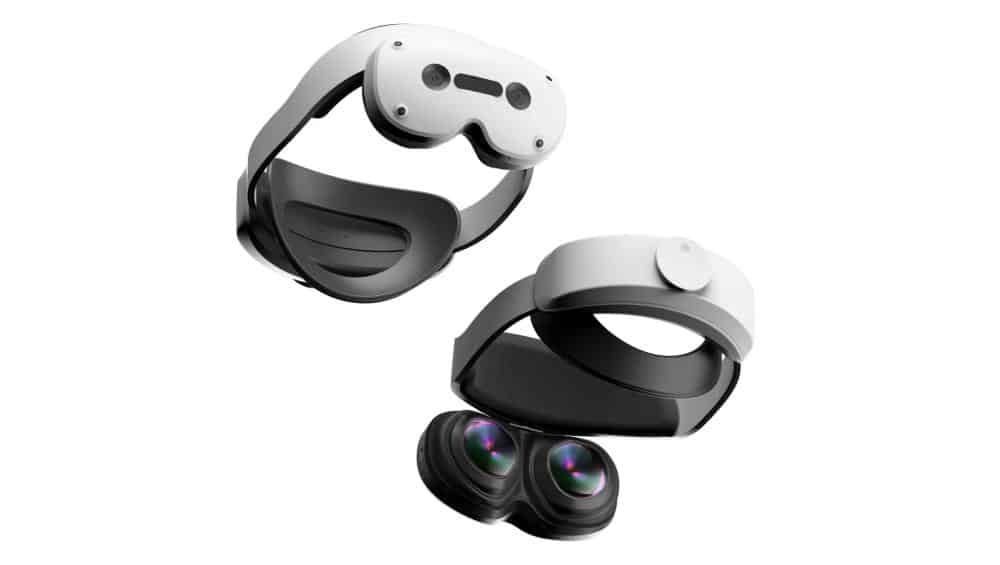
Shift in Focus Puts R2 Hardware on Hold
The Lynx R2 was positioned as an open hardware alternative to mainstream headsets, offering developer level access to sensor streams and strict data privacy compliance. The standalone device featured a Qualcomm Snapdragon XR2 Gen 2 processor, 16 GB of memory, and 128 GB of storage. It boasted an expansive 126 degree horizontal field of view powered by curved pancake lenses, alongside dual LCD panels delivering 2312 by 2160 pixels per eye.
Despite these strong specifications, the consumer release of the R2 appears to be canceled. EssilorLuxottica maintains a deep partnership with Meta, producing the popular Ray-Ban Meta smart glasses. Launching a dedicated gaming or professional mixed reality headset would create direct competition with Meta Quest devices. Insiders suggest the acquisition aims to absorb Lynx’s advanced spatial tracking and video see-through algorithms rather than mass producing its heavy hardware frames.
A Move for Sovereignty in Spatial Computing
By capturing Lynx’s foundational technology, Essilor Luxottica gains valuable proprietary software assets. The acquisition includes custom simultaneous localization and mapping algorithms that let devices map physical space in real time.
This software portfolio provides the eyewear giant an option to develop autonomous smart glasses features or cater to European enterprise and defense clients who demand data privacy outside the systems of US tech firms. The transition marks the end of Lynx as an independent hardware pioneer, highlighting the immense financial hurdles smaller companies face when building custom electronics.
Related FAQs
Q1. Why did EssilorLuxottica acquire Lynx?
A1. EssilorLuxottica bought Lynx to acquire its intellectual property, specifically its advanced tracking algorithms, video see-through software, and engineering team to boost its own smart eyewear development.
Q2. Will the Lynx R2 mixed reality headset still be released?
A2. The commercial release of the Lynx R2 is highly unlikely. The hardware is expected to be shelved as EssilorLuxottica prioritizes underlying software over competing with major headset makers like Meta.
Q3. What are the key specifications of the unreleased Lynx R2?
A3. The R2 was designed with a Snapdragon XR2 Gen 2 chip, 16 GB RAM, 128 GB storage, dual LCDs with 2312 by 2160 resolution per eye, and a wide 126 degree horizontal field of view.
Q4. Is the founder of Lynx joining EssilorLuxottica?
A4. No, founder and CEO Stan Larroque is not moving to EssilorLuxottica. He is joining the Paris based drone company Parrot in a key leadership role.