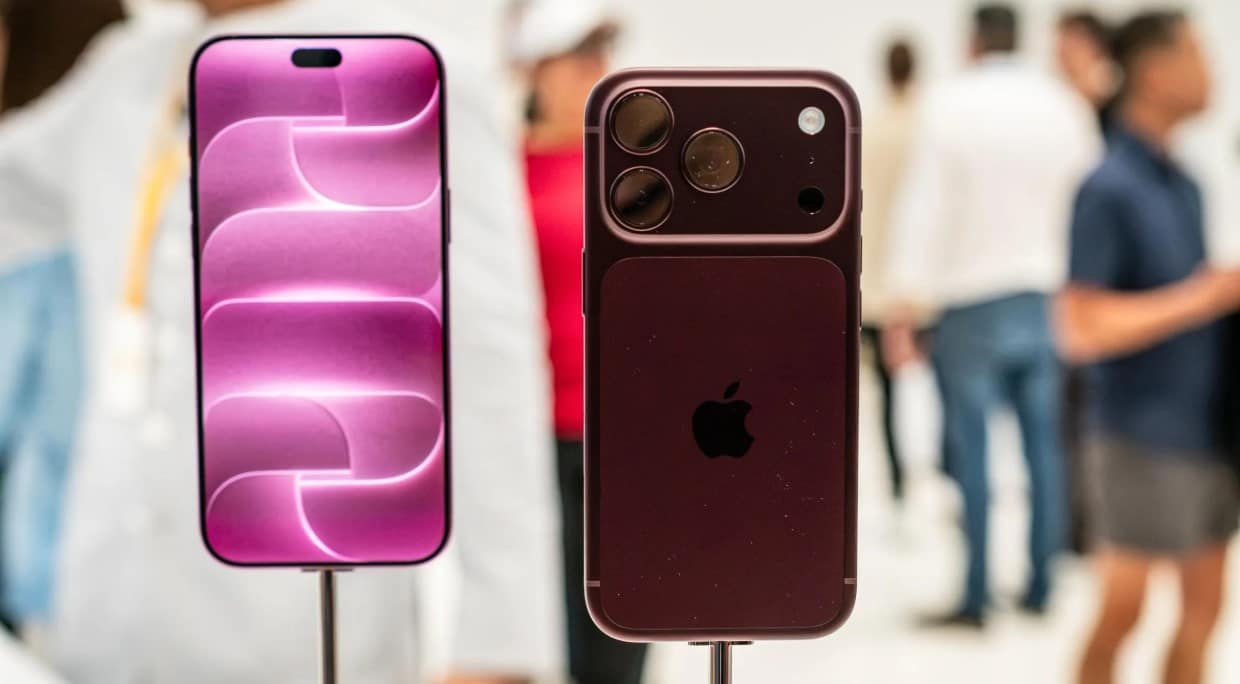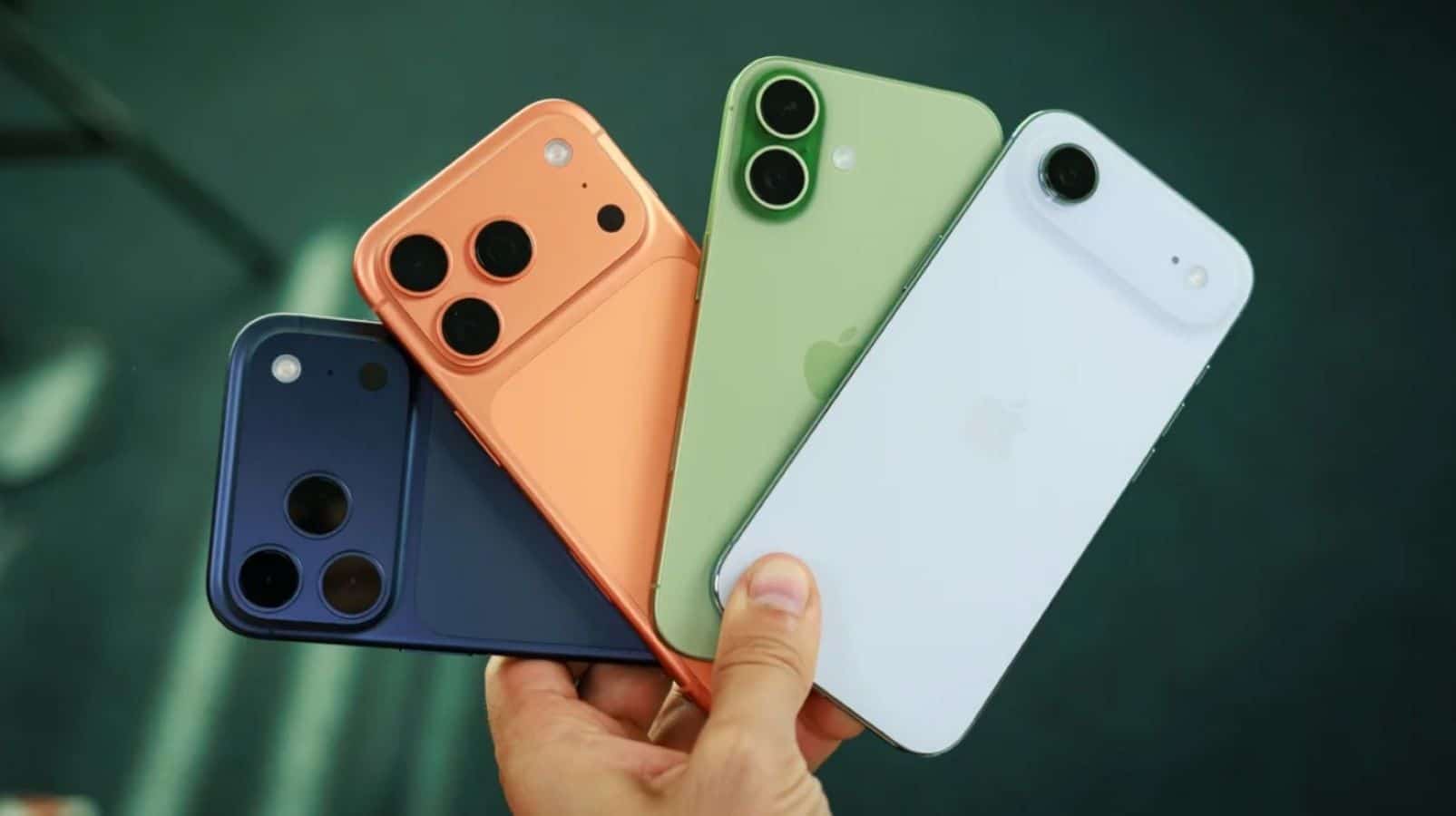


The landscape of smartphone charging is set to experience a significant transformation, particularly for Apple users. According to recent regulatory filings, Apple is preparing to boost its MagSafe wireless charging capabilities, potentially reaching 50W speeds for upcoming iPhone models. This leap in charging technology, expected to debut with the iPhone 17 series, points to a future where cables could be less of a necessity.
New MagSafe Chargers and Qi 2.2 Standard
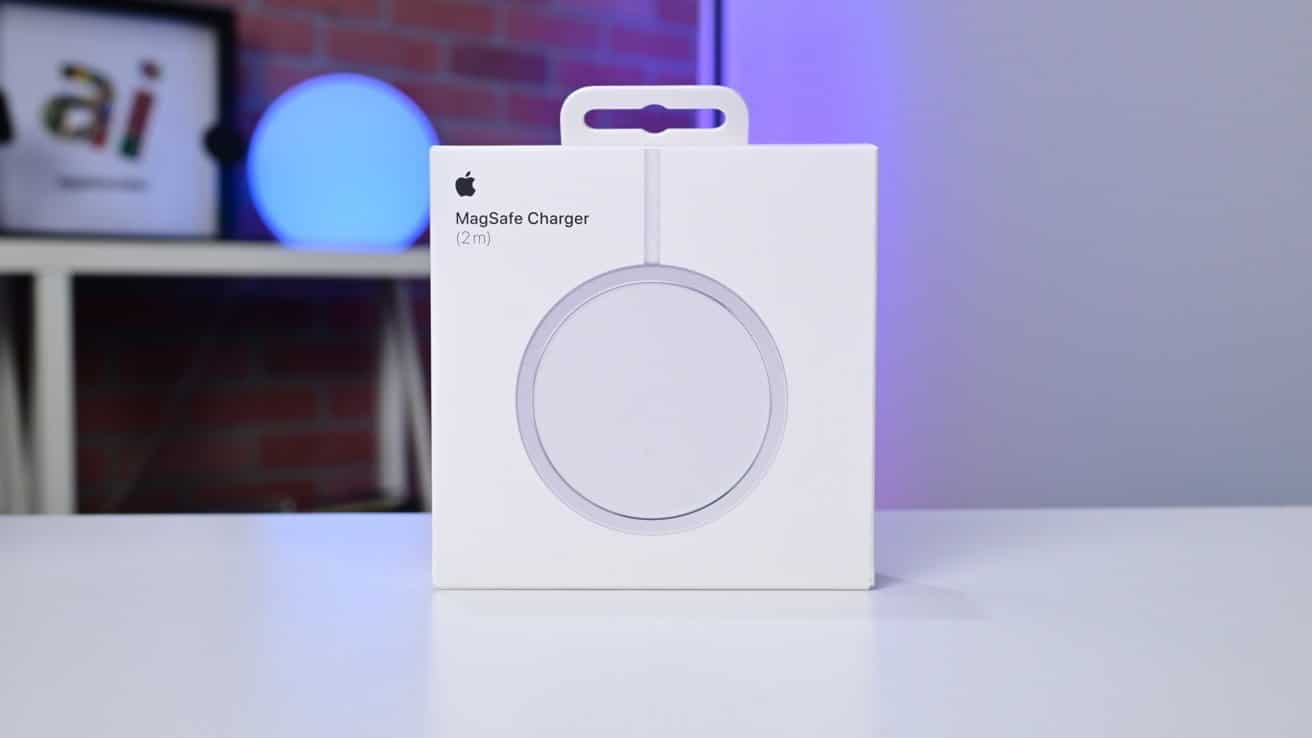
Leaked filings from Taiwan’s National Communications Commission (NCC) reveal that Apple is developing two new MagSafe charger models, A3502 and A3503, both supporting the Qi 2.2 wireless charging standard. Qi 2.2 allows for a maximum output of 50W, and while Apple may not initially push this full limit, the filings suggest that a working output of up to 45W is possible. This would be a notable upgrade from the current MagSafe chargers, which deliver 25W for the iPhone 16 and 15W for older models.
A Leap in Charging Technology
Since the introduction of MagSafe with the iPhone 12, Apple has consistently improved wireless charging speeds. The MagSafe system, initially offering 15W charging, was bumped up to 25W with the iPhone 16 series. A jump to 45W or even 50W represents a nearly twofold increase, making wireless charging far more viable for users. This move aligns with broader trends in the smartphone industry, where competitors have already begun offering high-wattage wireless charging, with some Android flagship phones hitting 50W or even more.
What the Qi 2.2 Standard Means for iPhone Users
The Qi 2.2 standard, an evolution of Apple’s MagSafe technology, promises more than just higher charging speeds. It offers improved efficiency, better magnetic alignment, and a reduction in heat generation. For iPhone 17 users, this means faster, more reliable charging with less risk of overheating. The backward compatibility of Qi 2.2 ensures that new chargers will still work with older iPhones, though at their respective maximum speeds.
Implications for iPhone 17 and Future Designs
While these filings suggest that faster wireless charging is coming, Apple must also improve the iPhone 17’s internal components to handle the higher wattage. This includes advanced power management circuits capable of safely managing the increased charge rate. Given Apple’s tradition of introducing top-tier features with its latest devices, the iPhone 17 will likely be the first to benefit from this speed boost.
The increased charging capabilities could also serve as a stepping stone towards Apple’s rumored “portless” iPhone. If wireless charging can deliver speeds on par with wired charging, the need for physical ports would decrease, aligning with Apple’s long-term vision. Moreover, European Union regulations, which previously raised concerns about portless designs, have indicated that devices without wired charging may be exempt from USB-C requirements.
Practical Considerations for iPhone Users
For everyday users, faster wireless charging offers practical advantages. It eliminates the need to plug in a cable, reducing wear on the iPhone’s charging port. Additionally, the convenience of quickly charging your phone during short breaks or while on a charging stand makes it easier to stay powered throughout the day.
However, heat management remains an essential consideration. As charging speeds increase, so does the heat generated. Efficient cooling mechanisms in the new MagSafe chargers are expected to address this challenge, ensuring that the iPhone 17 remains cool and that battery health is maintained over time.
While Apple has yet to officially announce the iPhone 17 and its new charging capabilities, the regulatory filings provide a strong hint at what’s to come. This leap forward in wireless charging represents a significant milestone, bringing us closer to a future where wireless charging is just as fast, if not faster, than wired solutions. Stay tuned for more updates as Apple prepares to roll out the iPhone 17 later this year, and get ready for a major shift in how you power your devices.