Reports from reliable sources suggest Apple’s iconic AirPods are on the cusp of a significant upgrade, potentially transforming them from audio devices into multi-faceted personal assistants. The whispers from inside Apple’s development circles point to an array of new functionalities, including direct camera control, sophisticated sleep detection, and expanded gesture controls. These alleged advancements, if they arrive, could fundamentally change how users interact with their devices and their surroundings.
More Than Just Music: AirPods as Your Camera Remote
One of the most talked-about rumored features is the ability to control your iPhone or iPad camera directly through your AirPods. Imagine framing a shot and simply pressing the stem of your AirPod to capture the image. This functionality, reminiscent of the simple clicker on older wired EarPods, would offer a convenient way to take photos or start video recordings without touching your phone.
For photographers, vloggers, or anyone who takes group photos, this could be a game-changer. It eliminates the need for a separate remote or a timer, allowing for more natural and spontaneous captures. The concept aligns with Apple’s push for seamless integration across its ecosystem, making the AirPods a more central control point for a wider range of activities.
The Silent Sentinel: Sleep Detection Arrives
Another feature generating buzz is an automatic sleep detection capability. The idea is that your AirPods would detect when you fall asleep while listening to audio content and automatically pause playback. This would prevent content from playing through the night, saving battery life on both your AirPods and your connected device.
While the specifics of this technology remain unclear, it could potentially leverage existing sensors within the AirPods or integrate with the advanced sleep tracking features already present in the Apple Watch. Regardless of the technical implementation, this addition would offer a practical benefit for users who enjoy falling asleep to podcasts, music, or audiobooks. It speaks to a broader trend of wearable devices moving beyond basic functions to offer more comprehensive health and wellness insights.
Beyond Nods and Shakes: Expanded Head Gestures
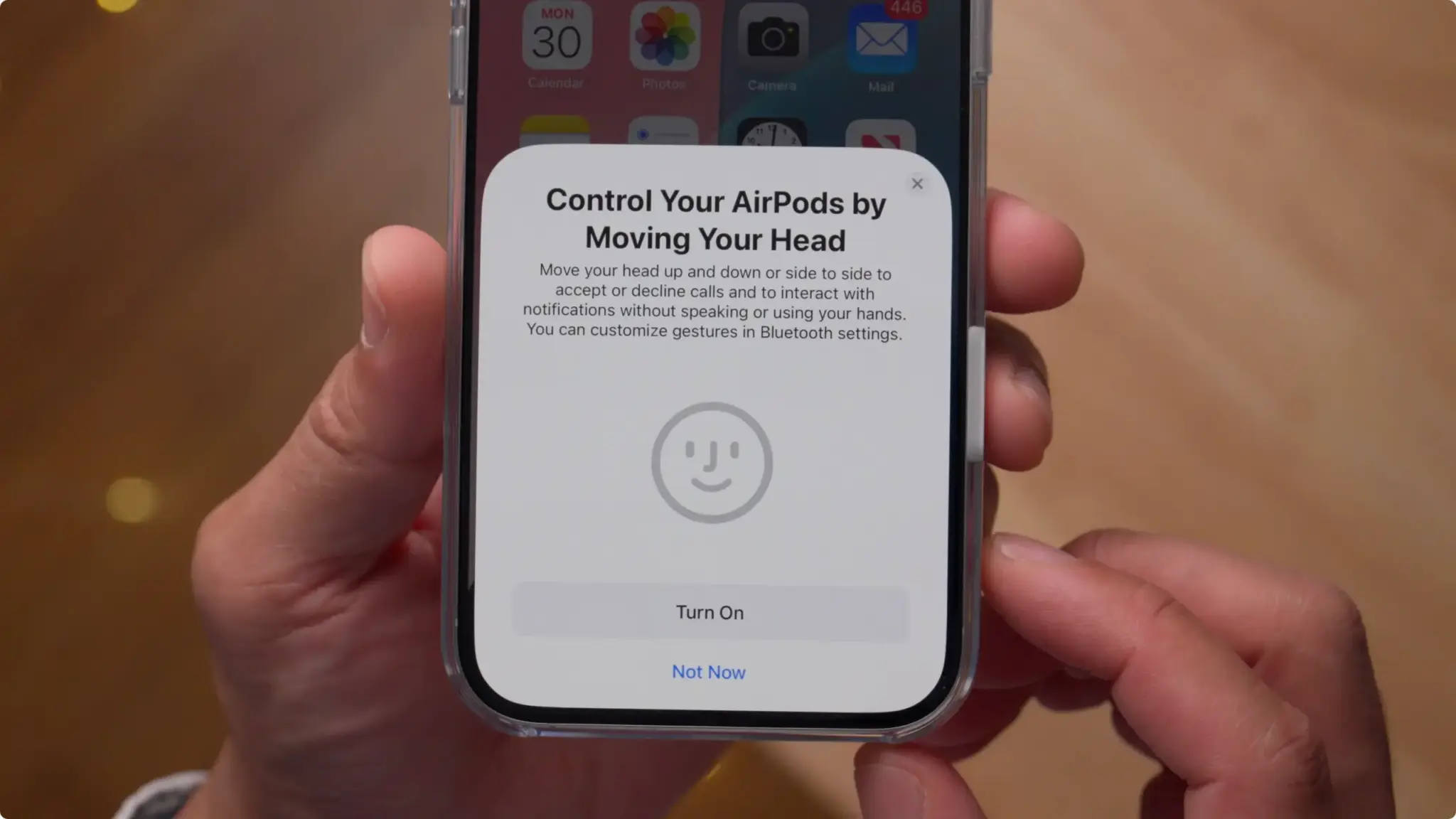
Apple introduced basic head gestures to AirPods Pro 2 and AirPods 4 last year, allowing users to nod or shake their heads to accept or decline calls. New reports suggest that these gestures are set for a major expansion. The goal is to allow for more nuanced and varied interactions, offering hands-free control for a wider array of functions.
For instance, future gestures might allow users to end “Conversation Awareness” mode without touching the AirPods. This mode, which reduces audio volume when you are speaking, currently requires a press or swipe on the stem to deactivate. New head movements could provide a more intuitive way to manage audio levels in social situations. This continuous refinement of gesture controls highlights Apple’s commitment to creating a more natural and less intrusive user experience.
Studio Quality Sound: A New Microphone Mode
Beyond control features, the AirPods are also rumored to gain a “studio-quality” microphone mode. This enhancement is described as similar to the “Audio Mix” feature introduced with iPhone 16, which uses machine learning to isolate and improve voice quality while reducing background noise.
For content creators, remote workers, or anyone who frequently takes calls, this could significantly elevate the audio quality of their AirPods. It aims to position AirPods as a more viable option for professional audio capture, potentially competing with dedicated lavalier microphones. The focus on clear communication aligns with the increasing reliance on digital interactions in daily life.
Seamless Classroom Integration
A more subtle, yet practical, update involves wider classroom support for AirPods. This feature aims to simplify the pairing process when multiple students use shared iPads. By reducing friction and manual steps, it makes AirPods a more convenient tool in educational settings, fostering a more fluid learning experience. This small but significant improvement shows Apple’s attention to detail and its efforts to make its devices more versatile across various user groups.
The Bigger Picture: A More Integrated Ecosystem
These rumored features paint a picture of AirPods evolving into a more central component of Apple’s connected ecosystem. The additions of camera control, advanced sleep detection, and expanded gestures suggest a strategic move to position AirPods as more than just audio output devices. They are becoming active input devices, capable of sensing user state, understanding user intent through movement, and directly controlling other Apple hardware.
While Apple has not confirmed any of these reports, the consistent nature of the leaks from various reliable sources suggests that these capabilities are actively being developed. The Worldwide Developers Conference (WWDC) 2025, scheduled to begin on June 9, is a potential platform for Apple to unveil these significant updates, likely alongside iOS 26 and other operating system advancements.
It is important to remember that not all rumored features make it to final products, and timelines can shift. However, the direction of these reported developments indicates a clear ambition from Apple to push the boundaries of wearable technology. The future of AirPods looks to be one where they are not just for listening, but for interacting, monitoring, and enhancing the overall user experience in ways previously imagined only in science fiction.
The integration of health monitoring, such as heart rate and temperature sensors (which have been previously rumored for future AirPods Pro models), combined with these new control features, suggests a holistic approach to personal technology. AirPods could become a constant companion, offering valuable insights and convenient controls throughout a user’s day. The potential for more seamless and intuitive interactions with our digital lives is a compelling prospect.