

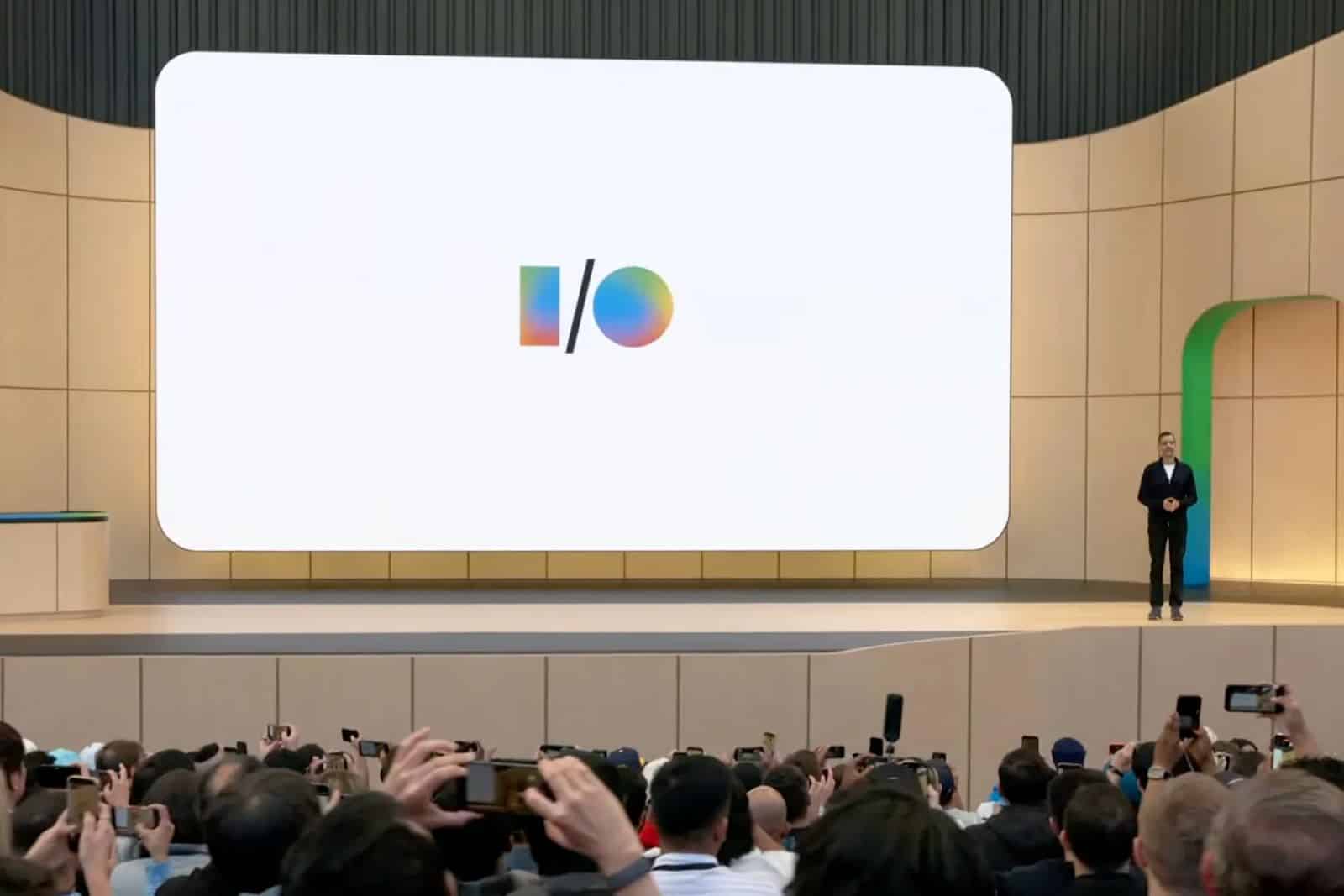
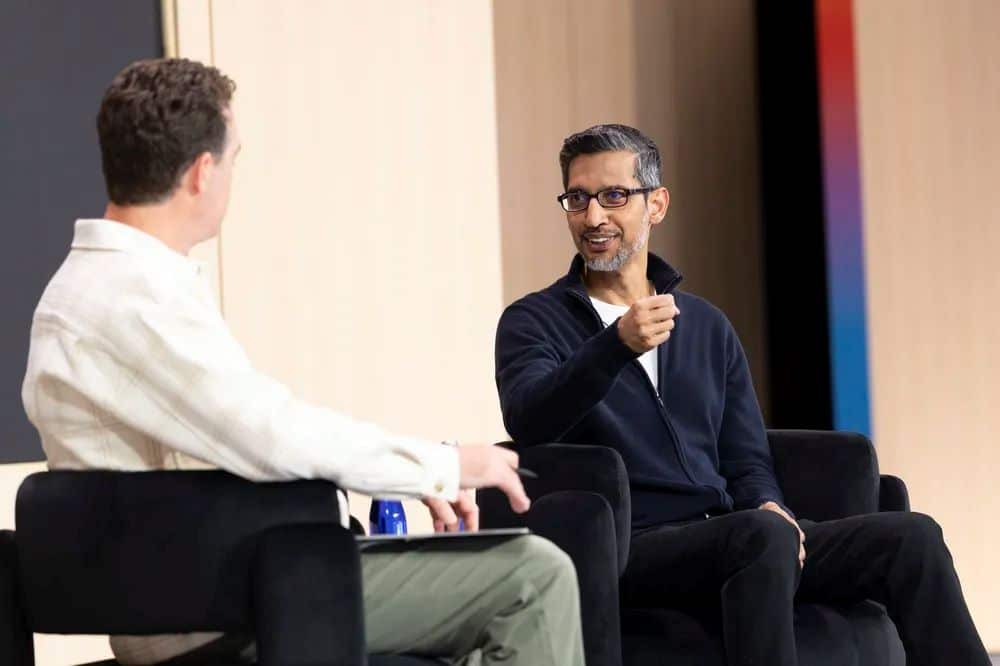
The Dialogues stage at Google I/O 2026 was all about the big picture. Instead of product launches, it focused on how AI is changing society and tech for the long haul. Sundar Pichai kicked things off with Matt Berman from Future Forward. They talked through Google’s vision for its latest announcements and how to keep new tech on the right track. The main point? Push progress, but do it responsibly. That came up again and again.
Key Takeaways
- Experts debated the shift from reactive AI tools to proactive autonomous agents.
- Google DeepMind and Boston Dynamics presented physical AI through advanced robotics.
- Researchers highlighted the use of quantum computing to speed up AI model training.
- Panels explored the use of AI algorithms in scientific fields like drug discovery.
- Filmmakers discussed the role of AI tools in modern cinematic storytelling.
One big theme was the move from reactive AI to proactive agents. Google execs like Josh Woodward, Koray Kavukcuoglu, Liz Reid, and Jeff Dean sat down with Logan Kilpatrick to talk about what that means for productivity. The takeaway? AI can now start tasks on its own, manage your workflow, and adjust to what you need—no more waiting for you to ask. It’s a shift from the old query-based approach. Now, these systems just run in the background and handle things for you.
Hardware and science got plenty of attention too. Hartmut Neven and James Manyika from Google explained how quantum mechanics could speed up AI training. Basically, it helps solve problems that even supercomputers can’t handle. Demis Hassabis from DeepMind talked with Mike Allen from Axios about using advanced algorithms as research partners. Not just for crunching data, but as active players in labs—especially in materials science and drug discovery.
The talks didn’t stop at software. Kanishka Rao, Alberto Rodriguez, and Jacklyn Dallas from NothingButTech showed off the latest in robotics. They combined AI with Boston Dynamics hardware, so robots can now move around real spaces and handle tasks on their own. The demo made it clear—these machines aren’t just following scripts anymore. They’re getting better at real-world jobs.
There was also a panel on movies. Director Doug Liman, Jed Weintrob, and Julina Tatlock chatted with Google’s Mira Lane about using AI in storytelling and visual effects. They talked about how these tools help shape stories and speed up production. But they also raised questions about what it means for human creators now. If you’re curious, you can watch all these sessions on YouTube.
FAQs
Q1. What is the Google I/O Dialogues stage?
A1. The Dialogues stage is a specific section of the Google I/O event where industry experts, scientists, and company leaders gather to discuss the broader impact and future direction of emerging technologies.
Q2. Who spoke at the Google I/O 2026 Dialogues stage?
A2. Speakers included Google CEO Sundar Pichai, DeepMind CEO Demis Hassabis, director Doug Liman, and several other executives and industry leaders like Matt Berman and Mike Allen.
Q3. Where can I watch the Google I/O 2026 Dialogues sessions?
A3. Google uploaded all the Dialogue sessions to YouTube, and they are available for on-demand public viewing.