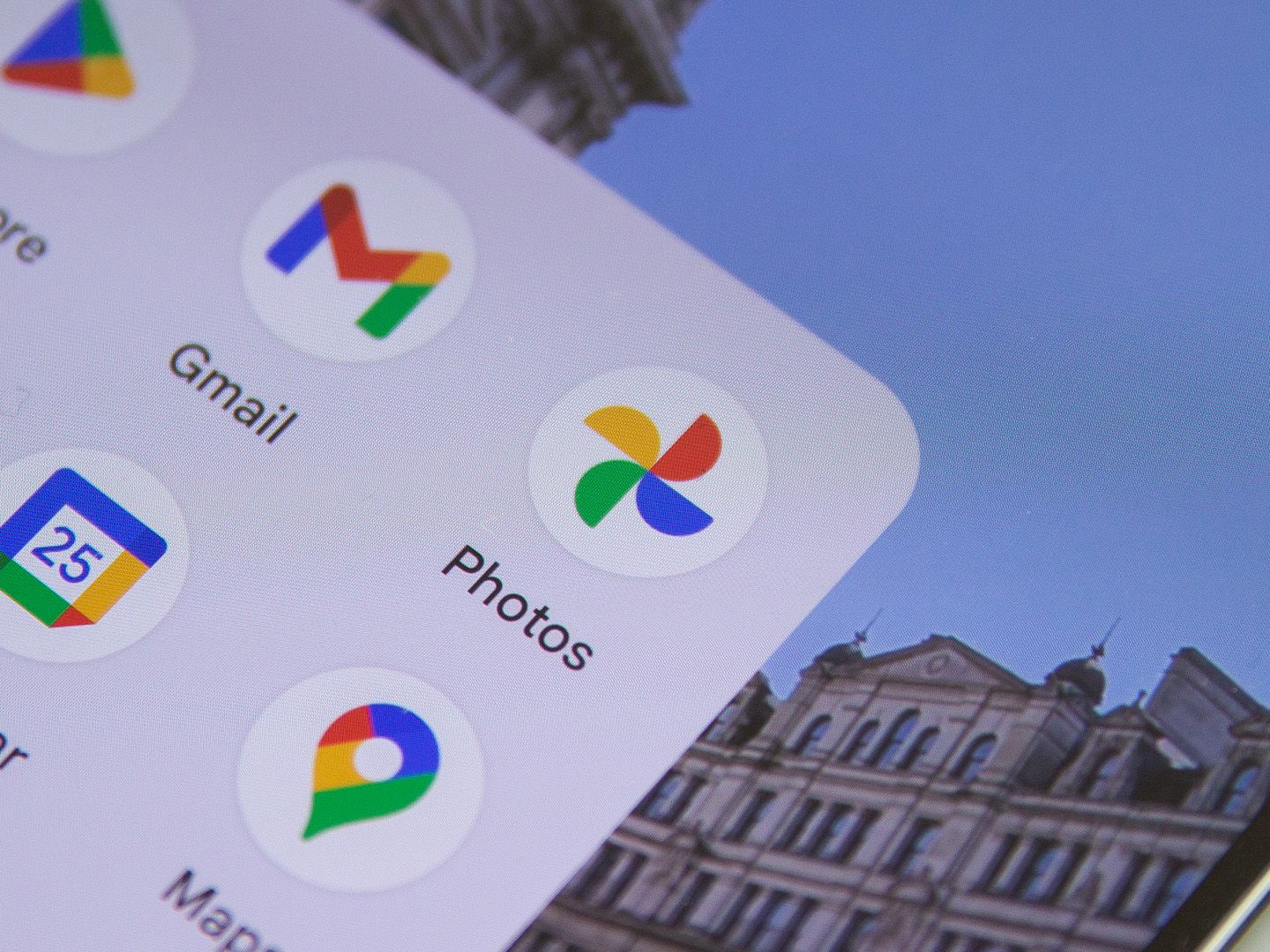
Google Photos is undergoing some notable changes, with a refreshed design and some genuinely useful sharing upgrades. At the heart of this revamp is the introduction of the Material 3 Expressive design language, which brings a more cohesive, visually engaging experience to the app. Alongside the design tweaks, there’s also a new QR code sharing feature for albums—a small but meaningful change that could significantly simplify how people share their photo collections.
The timing isn’t random either. These updates arrive right as Google Photos celebrates its tenth anniversary. A decade in, with trillions of images stored and over a billion users worldwide, it makes sense that Google would use this milestone to polish and modernize one of its most-used features. The redesign and new sharing method feel like a thoughtful step forward—not flashy, but definitely purposeful.
Material 3 Expressive: A Deeper Dive into the Design
The term “Material 3 Expressive” might sound a bit abstract at first, but it’s more than a visual facelift. It subtly changes how Google Photos feels in your hand—how you interact with it. The redesign aims to make everything just a bit smoother, more intuitive, and, well, nicer to look at.
For starters, the albums view now features a new floating toolbar at the bottom. Previously, actions like sharing, adding, or editing photos were either crammed into the top bar or tucked away in menus. Now, they’re gathered into this lower toolbar, which not only clears up space but makes the whole album interface feel more immersive and less cluttered.
So when you open an album, you’ll notice that things like the “Add description” field, and buttons for “Share,” “Add photos,” and “Order photos” have moved. They’re now embedded into this new toolbar, streamlining the experience. Even the “Edit” option, once hidden in a three-dot overflow menu, is out in the open now, replete with new, easier-to-recognize icons. Interestingly, the “Sort photos” button has jumped up to the top bar—a small shift, but it definitely improves accessibility.
This all ties into the broader Material 3 philosophy: dynamic colors, responsive layouts, and typography that feels just a little more expressive. Google is clearly nudging its apps to feel less mechanical and more human. While Google Photos hasn’t fully adopted every piece of the Material 3 puzzle yet (like the full-bleed album covers), it’s clearly on the way there.
QR Code Sharing: Instant Album Access
Now here’s where things get a little more practical. With the new QR code sharing feature, sending albums to friends or family just got a lot easier. If you’ve ever tried to share an album by copying a link and then pasting it into a message (and then hoping the recipient finds it), you’ll probably appreciate this change.
Instead, you can now generate a unique QR code directly from the album. Anyone nearby can scan it and, boom, they’re in. No links, no hunting through messages. Depending on the album’s settings, they can even add their own photos right away, which is particularly handy for events like weddings, parties, or even casual gatherings.
Picture this: you’re at a birthday party, and instead of asking ten different people to send you their pictures, you just show a QR code. They scan it, and everyone’s photos end up in the same album. It just works—and that simplicity is kind of the point.
Worth noting: this QR feature is geared toward sharing albums and “memories,” not individual photos. That’s still handled by Quick Share. But the album QR sharing feels like one of those tiny features that’ll make a big difference in daily use.
Broader Updates and What They Mean for Users
All these album-specific changes are part of a larger overhaul of Google Photos. Not long ago, the app also rolled out a redesigned photo editor, complete with AI-driven tools like “AI Enhance,” “Reimagine,” and “Auto Frame”—features that used to be Pixel exclusives.
Bringing everything together, Google seems committed to making Photos more intuitive and user-friendly without sacrificing depth. The new toolbar helps users move around albums faster. The QR sharing option cuts down on friction. And the overall visual polish aligns with a design philosophy that puts the user front and center.
In a time when we’re all snapping and sharing more photos than ever, these tweaks feel timely. They won’t radically change how you use Google Photos, but they will make the experience feel smoother and more cohesive. And sometimes, that’s enough to make you feel like an app actually “gets” you.