

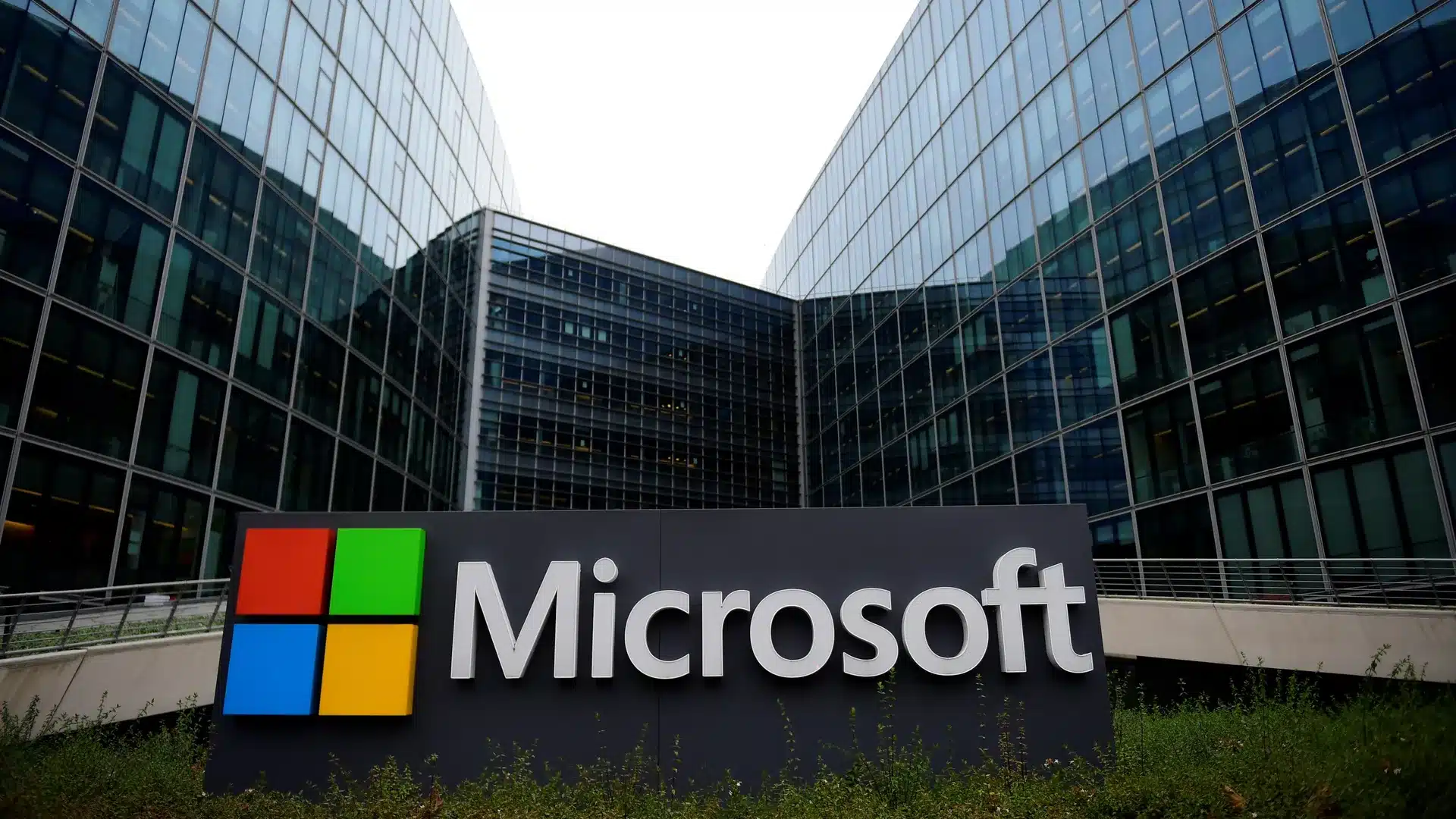
At its Build 2025 conference, Microsoft introduced NLWeb, an open-source framework aimed at transforming how websites interact with users by integrating AI-driven chatbots directly into web pages. This initiative seeks to decentralize AI interactions on the web, allowing individual websites to host their own conversational interfaces without relying on centralized platforms like ChatGPT or Bing.
What Is NLWeb?
NLWeb, short for Natural Language Web, is designed to enable websites to offer conversational interfaces using a few lines of code, the AI model of their choice, and their own data. This allows for the creation of customized chatbots that can assist users in various tasks, such as helping shoppers find products or suggesting recipes based on available ingredients.
The framework leverages existing web data formats like Schema.org and RSS, combining them with large language models (LLMs) to create natural language interfaces. This approach allows users to interact with web content in a more intuitive and semantic manner, similar to conversing with a human assistant.
The Vision Behind NLWeb
Ramanathan V. Guha, a technical fellow at Microsoft and the creator of technologies like RSS and Schema.org, spearheaded the development of NLWeb. Guha envisions NLWeb playing a role similar to HTML in the early web, serving as a foundational protocol for the emerging “agentic web,” where AI agents can interact with web content seamlessly.
By enabling websites to host their own AI-powered chatbots, NLWeb aims to reduce dependency on centralized AI services and promote a more open and decentralized web ecosystem. This approach allows for more tailored and context-specific interactions, enhancing user experience and engagement.
Real-World Applications
Several companies have already begun exploring the potential of NLWeb. For instance, a cooking website could implement a chatbot that suggests dishes based on user preferences and available ingredients. Similarly, a travel site like TripAdvisor could offer personalized recommendations by understanding user queries in natural language.
These applications demonstrate how NLWeb can be utilized across various industries to provide more interactive and user-friendly experiences.
Integration with Model Context Protocol (MCP)
NLWeb is designed to work in conjunction with the Model Context Protocol (MCP), an open standard that facilitates the connection between AI models and web content. By integrating with MCP, websites can make their content discoverable and accessible to AI platforms, further enhancing the capabilities of their chatbots.
This integration allows for more dynamic and responsive interactions, as AI agents can access and interpret web content more effectively.
Challenges and Considerations
While NLWeb offers a promising approach to decentralizing AI interactions on the web, it also presents certain challenges. Ensuring consistent performance across different websites and maintaining the quality of AI-generated responses are critical considerations.
Additionally, as websites begin to host their own AI chatbots, issues related to data privacy, security, and ethical use of AI must be addressed to maintain user trust and compliance with regulations.
Microsoft’s introduction of NLWeb marks a significant step toward a more decentralized and interactive web. By empowering websites to host their own AI-powered chatbots, NLWeb has the potential to reshape how users interact with online content, making the web more accessible and responsive to individual needs.
As more developers and organizations adopt NLWeb, it will be essential to monitor its impact on user experience, data privacy, and the broader web ecosystem to ensure that it contributes positively to the evolution of the internet.