

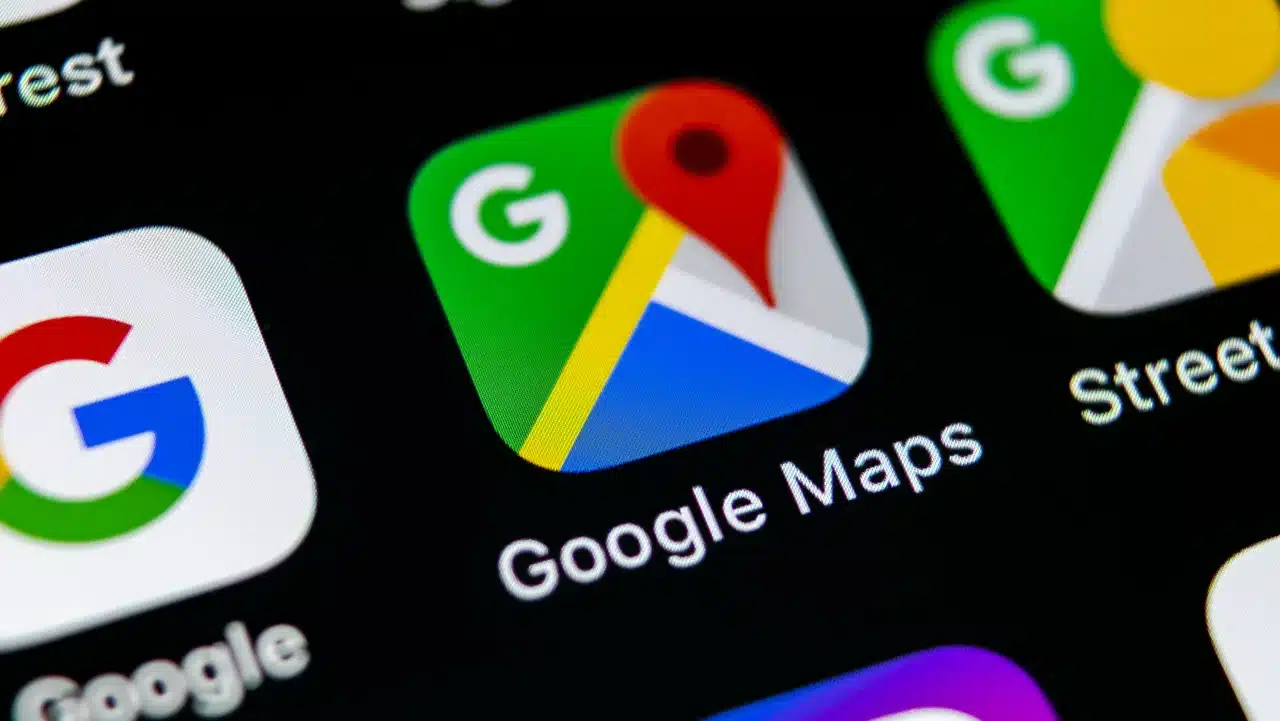
Google Maps has introduced a new feature for iPhone users that leverages Gemini AI to scan screenshots for location information, allowing users to save places directly from their photo library. While this functionality offers convenience, it also raises concerns about user privacy.
The feature, currently available to iOS users in the United States with English set as the device language, enables Google Maps to identify locations mentioned in screenshots—such as restaurant names or addresses—and suggest saving them to a private list within the app. Users can access this list under the “You” tab, where a new “Screenshots” section appears. Upon selecting this section, a tutorial guides users through the process, and the app prompts for permission to access photos.
If granted “Allow Access to All Photos,” Google Maps can automatically scan new screenshots for location data and present them in a carousel for review. Users can choose to save or discard each suggested location. Alternatively, users can manually import screenshots for analysis without enabling auto-scan. A toggle allows users to turn the auto-scan feature on or off at any time.
While the feature aims to simplify the process of saving locations, it has prompted discussions about privacy. Granting Google Maps access to all photos means the app can analyze personal images, which may contain sensitive information. Although the scanning is optional and can be disabled, the default setting encourages users to permit broad access, potentially leading to unintended data exposure.
Privacy advocates express concern that this feature could normalize extensive data collection practices. Even though the scanned data remains private within the app, the underlying access permissions raise questions about how much control users truly have over their personal information.
Google has stated that the feature is designed to enhance user experience by reducing the need to manually search for locations seen in screenshots. However, users are advised to carefully consider the privacy implications before enabling the feature. Reviewing app permissions and understanding how personal data is used remains crucial in maintaining digital privacy.
As technology continues to integrate more deeply into daily life, balancing convenience with privacy becomes increasingly important. Users must stay informed and make conscious choices about the features they enable and the data they share.