

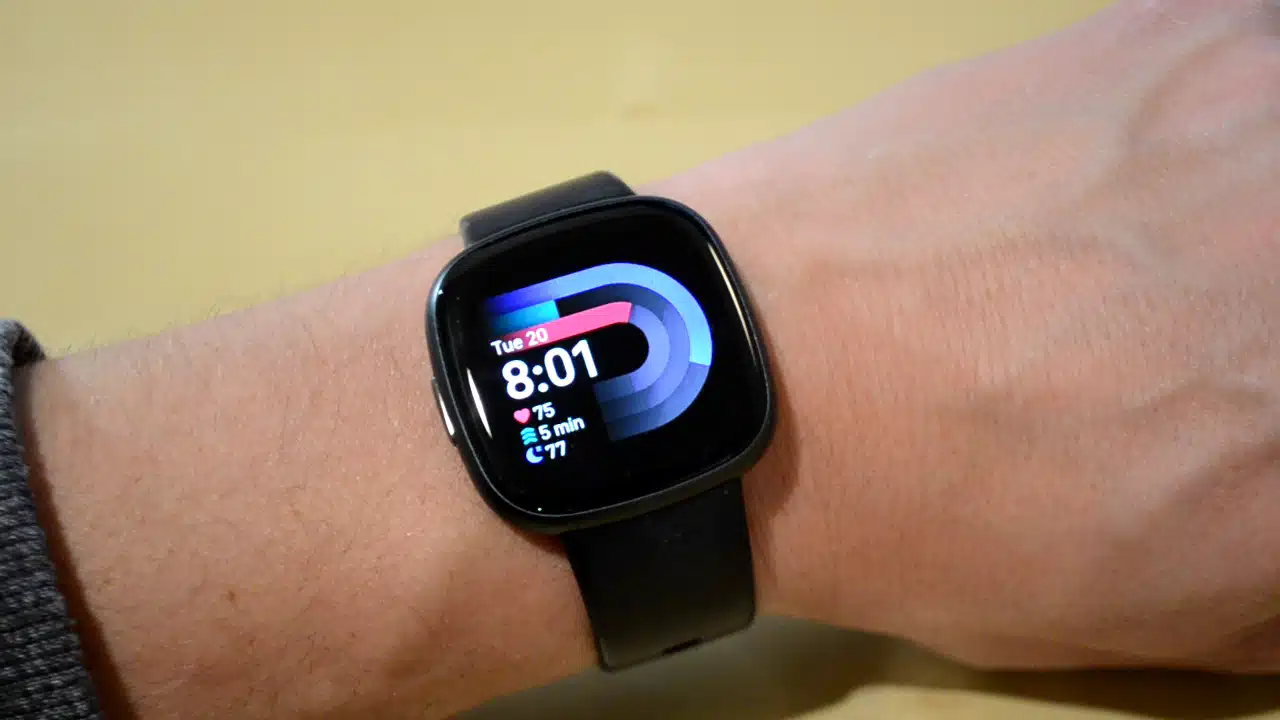
For years, Fitbit devices have been more than just step trackers. They’ve been companions on our fitness journeys, sleep monitors, and even convenient ways to pay for our morning coffee. But a recent shift has left some Fitbit owners feeling a little lighter in the digital wallet department, and not in a good way. The once-familiar Fitbit Pay, a feature that allowed users to make contactless payments directly from their wrist, has been retired, leaving many to wonder: what happened to our trusty on-the-go payment method?
The transition, which officially took place earlier this year on January 13, 2025, saw Fitbit Pay replaced by Google Wallet. While on the surface this might seem like a simple app swap, the change has stirred a mix of confusion, frustration, and even a sense of loss among some long-time Fitbit users. For those who relied on the ease and speed of Fitbit Pay, the move to Google Wallet hasn’t been entirely smooth sailing.
Sarah Miller, a graphic designer from Chicago, had been a loyal Fitbit user for over five years, primarily for its activity tracking and the convenience of Fitbit Pay. “I loved being able to just tap my wrist to pay after my runs,” she shared. “It was so quick and easy, especially when I didn’t want to carry my phone or wallet. Now, I have to make sure Google Wallet is set up, and it just feels like an extra step sometimes.”
The move comes as Fitbit, now owned by Google, continues its deeper integration into the Google ecosystem. The company announced this change some time ago, aiming to streamline its services and offer a wider range of supported banks and cards through Google Wallet. According to Fitbit’s official support pages, this update intends to “increase the number of banks and cards that are available for contactless payments” and allow users to “pay quickly everywhere Google Wallet is accepted.”
While the promise of broader compatibility is a definite plus, the transition hasn’t been without its hiccups. Some users have reported difficulties setting up Google Wallet on their older Fitbit devices, while others simply preferred the familiarity and simplicity of the Fitbit Pay interface.
“I’m not the most tech-savvy person,” admits John Davis, a retired teacher from Denver. “I had finally gotten used to Fitbit Pay, and now I have to learn a whole new system. It’s a bit annoying, to be honest. I just want to track my steps and pay for things easily.”
The discontinuation of Fitbit Pay is part of a larger trend of Google integrating its services with Fitbit. Another significant change on the horizon is the mandatory migration of Fitbit accounts to Google accounts by February 2, 2026. Users who don’t make the switch by this deadline will unfortunately lose access to their health data, and their accounts will be deleted. This move, while aimed at unifying the user experience and enhancing security through Google’s infrastructure, has also raised concerns about data privacy and the future direction of the Fitbit platform.
For Fitbit owners who haven’t yet made the switch to Google Wallet, the process involves updating the Fitbit app to the latest version and then navigating to the “Wallet” section within the device settings. From there, users will find an option to “Update to Google Wallet” and will be guided through the setup process, which includes signing in with their Google account and adding their payment cards.
However, some users have pointed out that not all Fitbit devices that previously supported Fitbit Pay are compatible with Google Wallet. This has left owners of certain older models feeling left out in the cold, effectively losing the contactless payment functionality they once relied on. This discrepancy in compatibility has fueled some of the frustration within the Fitbit community.
“I bought my Fitbit Versa 2 specifically because it had contactless payments,” laments Maria Rodriguez from Los Angeles. “Now, I find out that it doesn’t support Google Wallet. So, that whole feature I paid for is just gone? It feels a bit unfair.”
The removal of Fitbit Pay serves as a reminder of the ever-evolving nature of technology and how features we come to depend on can sometimes be discontinued in the name of progress or platform integration. While Google Wallet offers its own set of advantages, the transition highlights the importance of clear communication and support for users navigating these changes.
For Fitbit users still adjusting to the absence of Fitbit Pay, the best course of action is to ensure their Fitbit app is updated and to follow the instructions for setting up Google Wallet if their device is compatible. Numerous online guides and support articles are available on Fitbit’s official website to assist with this process.
The shift from Fitbit Pay to Google Wallet marks another step in the integration of Fitbit into the Google ecosystem. While this may ultimately lead to a more unified and feature-rich experience in the long run, the immediate impact for some Fitbit owners is the loss of a familiar and convenient feature, leaving them to adapt to a new system or, in some cases, to feel like a valued part of their device has simply vanished. The question remains: as Google continues to shape the future of Fitbit, will these changes ultimately enhance the user experience or leave loyal customers feeling like they’ve lost more than just a digital wallet? Only time will tell.