
A shift in software development practices gains notice. “Vibe coding” describes a method where developers prioritize intuitive understanding and workflow over strict adherence to rigid structures. This approach stresses personal flow and comfort during coding. Developers report increased focus and reduced stress when coding in a comfortable environment.
The concept moves past standard coding practices. It emphasizes a developer’s environment, mindset, and personal coding style. This includes factors like music, lighting, and the physical workspace. Developers claim that these elements directly affect code quality and output.
Critics question the method’s scalability and consistency. They point out that subjective factors make it difficult to standardize. Team collaboration may suffer. Some developers worry that it will promote disorganization.
Proponents counter that traditional methods often stifle creativity. They argue that personal comfort leads to better code. They cite examples of developers who report increased productivity. They point to the trend toward remote work, where personal workspaces are more common.
The term “vibe coding” surfaced in online developer forums. Discussions centered on the idea that coding is not purely technical. It includes a strong creative element. Developers began sharing their personal setup and routines. They talked about how specific environments influenced their coding.
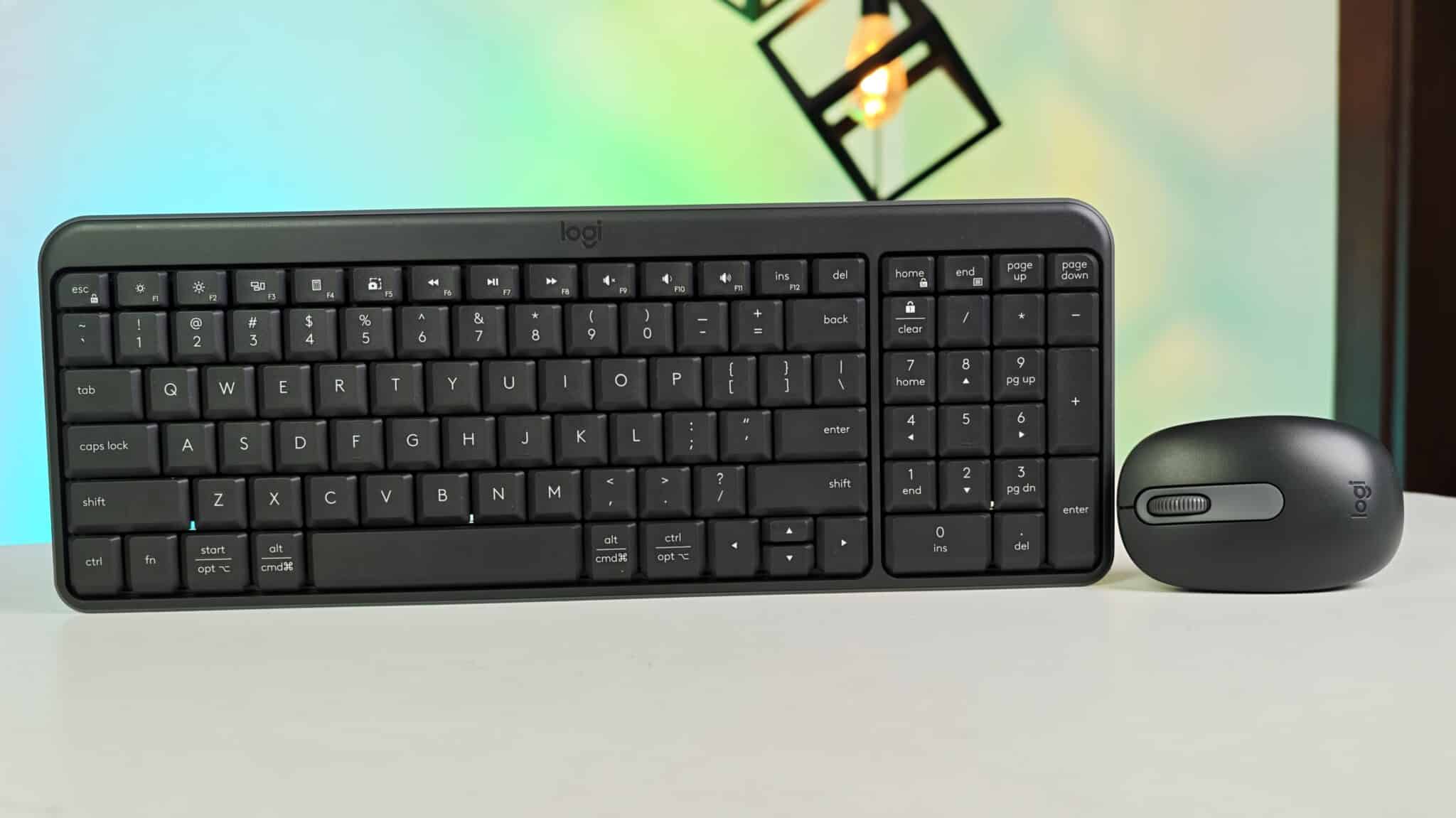
Some developers use specific playlists. They use ambient music to maintain focus. Others use specific lighting to reduce eye strain. Some configure their workspaces for optimal comfort. They use ergonomic keyboards and chairs.
Data on the impact of vibe coding remains scarce. No official studies exist. Individual developers share anecdotal evidence. They post their experiences on social media. They write blog posts detailing their routines.
The debate includes a focus on the definition of “professionalism.” Some argue that strict adherence to coding standards is essential. They say that personal preferences should not interfere. Others argue that professionalism includes producing quality code. They say that personal comfort helps achieve this.
The rise of remote work contributes to the debate. Developers working from home have more control over their environment. They can personalize their workspace. This allows them to experiment with different “vibes.”
Concerns arise about the method’s impact on code maintainability. Code written with a strong personal style might be difficult for other developers to understand. This could