

Intel has once again pushed the boundaries of what’s possible in laptop computing with the launch of its new Core Ultra 200 series CPUs. Early benchmarks and reviews are painting a picture of remarkable performance gains, leaving many to wonder if we’re witnessing the dawn of a new era in mobile processing power. But what exactly makes these chips so special, and how will they impact the future of laptops?
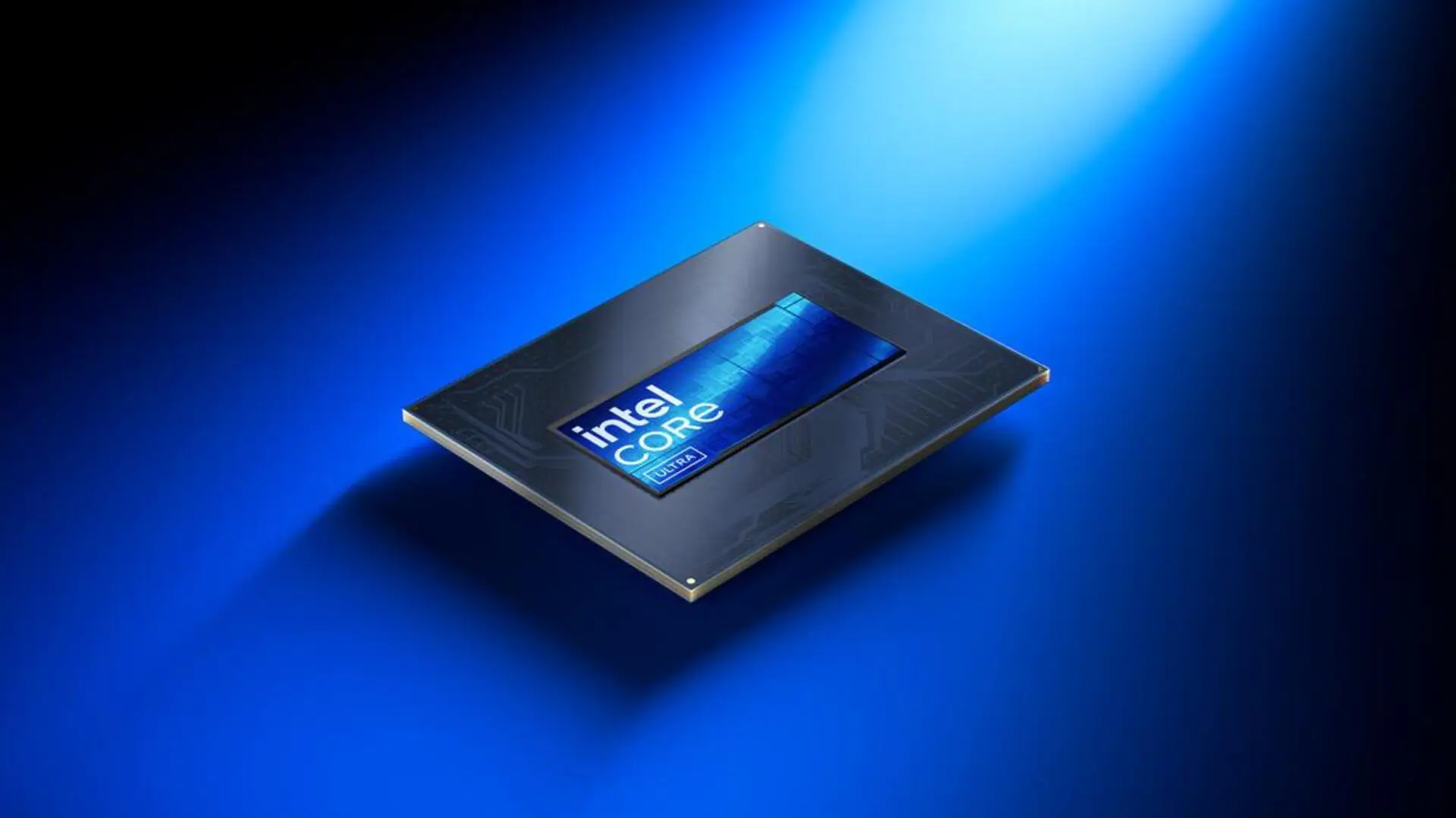
The Core Ultra 200 series, formerly codenamed “Meteor Lake,” represents a significant shift in Intel’s design philosophy. These chips utilize a new tiled architecture, combining different IP blocks for CPU, GPU, and AI processing onto a single package. This innovative approach allows for improved efficiency and performance by optimizing each block for its specific task. Furthermore, the Core Ultra 200 series is built on the “Intel 4” process node, a significant advancement that enables higher transistor density and improved power consumption. This translates to laptops that are not only more powerful but also thinner, lighter, and boast longer battery life.
One of the most striking aspects of the Core Ultra 200 series is the incorporation of a dedicated Neural Processing Unit (NPU). This specialized hardware is designed to accelerate AI workloads, enabling features like real-time image and video enhancement, improved voice recognition, and advanced machine learning applications. The NPU is poised to revolutionize the way we interact with our laptops, paving the way for more intuitive and personalized experiences.
But the real question on everyone’s mind is: just how much faster are these new CPUs? Early benchmarks suggest that the Core Ultra 200 series delivers a significant performance leap over its predecessors. In some tests, the flagship Core Ultra 9 processor shows up to a 30% improvement in multi-core performance compared to the equivalent 13th Gen Raptor Lake chip. These gains are attributed to a combination of architectural improvements, increased core counts, and higher clock speeds.
The impact of these performance gains will be felt across a wide range of applications. Content creators will enjoy faster rendering times and smoother workflows, while gamers can expect higher frame rates and more immersive experiences. Even everyday tasks like web browsing and office productivity will benefit from the increased responsiveness and snappier performance.
However, the Core Ultra 200 series is not without its challenges. The new tiled architecture and advanced manufacturing process have reportedly led to increased production costs, which could translate to higher prices for consumers. Additionally, there are concerns about software compatibility and the need for developers to optimize their applications to take full advantage of the new hardware features, particularly the NPU.
Despite these challenges, the Core Ultra 200 series represents a major step forward for laptop computing. The combination of performance gains, improved efficiency, and AI capabilities has the potential to redefine what we expect from our portable devices. As these chips become more widely available, it will be exciting to see how developers and users alike harness their power to create new and innovative experiences.