

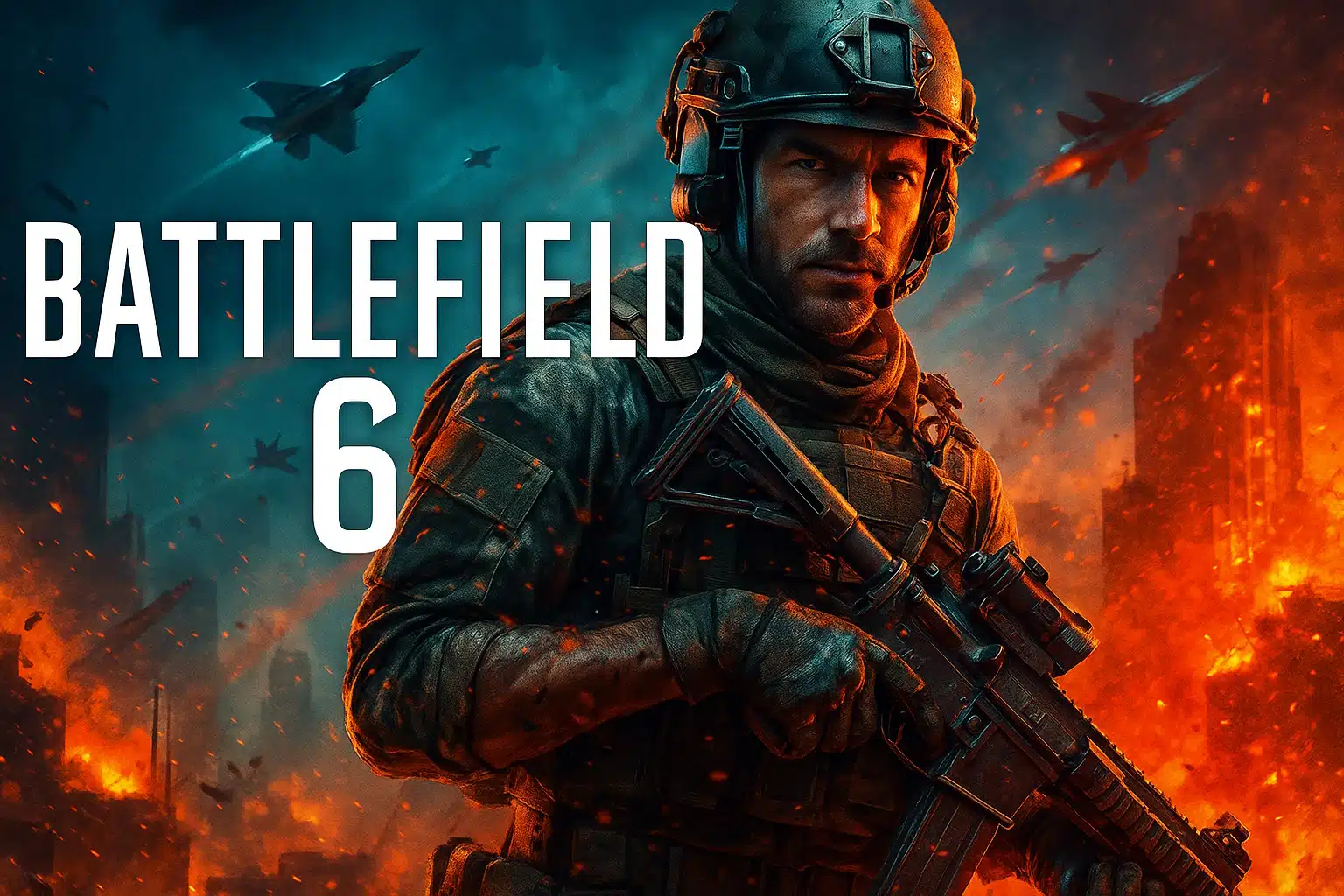
Electronic Arts has confirmed layoffs across several studios involved in developing Battlefield 6. The workforce reductions affect teams at DICE, Criterion, Ripple Effect, and Motive. What makes the situation somewhat surprising, at least at first glance, is that Battlefield 6 recently delivered the most successful launch in the franchise’s history.
Despite that momentum, EA stated that the restructuring is meant to better align development teams with player feedback and internal insights gathered through its Battlefield Labs program. The company has not disclosed the exact number of employees affected by the cuts, which leaves some uncertainty about the full scale of the changes.
For many observers, the timing feels complicated. A record launch usually signals stability, yet the broader games industry has increasingly shown that strong sales alone do not always shield development teams from restructuring.
Key Takeaways
- Staff reductions affect four studios connected to the Battlefield franchise
- Battlefield 6 sold 7 million copies within the first three days
- The layoffs follow the death of franchise leader Vince Zampella last year
- EA is navigating a $55 billion buyout process during this restructuring
A Large Multi-Studio Development Strategy
Electronic Arts, one of the largest video game publishers in the United States, adopted a collaborative approach for Battlefield 6. Instead of relying on a single studio, the project was built through cooperation among multiple teams.
DICE, the Sweden-based studio that originally created the Battlefield series, worked alongside Criterion, Ripple Effect, and Motive. Each team contributed different expertise. DICE focused heavily on core Battlefield mechanics, Criterion brought experience from high-speed action game development, and the other studios supported various aspects of production.
The idea behind this structure was to build a project large enough to compete directly with the Call of Duty franchise. In many ways, that strategy appeared to work. Early sales numbers were strong and player engagement at launch was reportedly high.
Still, the modern games industry has reached a point where large development budgets can quickly lead to internal adjustments, even when a title performs well.
A Changing and Difficult Shooter Market
The competitive environment for shooter games has become increasingly unpredictable. Even well-funded projects sometimes struggle to maintain a stable player base after launch.
For example, the multiplayer shooter Highguard is scheduled to shut down this week, only two months after it launched. In another notable case, Sony cancelled the live-service shooter Concord after a short and troubled lifecycle.
These outcomes illustrate a larger trend. Live-service shooters require constant content updates, server support, balance patches, and seasonal expansions. Maintaining that level of ongoing development is expensive, and publishers often adjust team sizes based on long-term projections rather than launch success alone.
In that sense, EA’s layoffs may reflect the industry’s broader shift toward tighter operational control and careful resource allocation.
Leadership Changes and Internal Transition at EA
The Battlefield franchise has also been navigating leadership changes. Last year, Vince Zampella, who served as the head of Battlefield and was widely known as a co-founder of Respawn Entertainment, died in a car accident.
His role in shaping the direction of the franchise had been significant. Losing that leadership figure naturally created a period of transition for the development teams involved.
At the same time, Electronic Arts is reportedly dealing with a potential $55 billion buyout process. Large corporate negotiations like this often influence internal planning, staffing decisions, and future investment strategies.
So while the layoffs appear connected to development restructuring, they also arrive during a broader moment of uncertainty within the company.
Battlefield Remains a Priority for EA
Despite the staff reductions, EA maintains that Battlefield continues to be a key franchise for the company. According to EA spokesperson Justin Higgs, the publisher plans to keep investing in the series while using player feedback to guide updates and future content.
Battlefield Labs, EA’s internal testing and analytics program, will reportedly play a larger role in shaping ongoing development. The goal is to analyze gameplay data and community response to determine where resources should be focused.
Whether this strategy will lead to a more stable development structure remains to be seen. For now, the message from EA is that Battlefield 6 is still central to its long-term portfolio.
Wider Layoffs Across EA Studios
The cuts affecting Battlefield studios are not happening in isolation. Earlier this month, layoffs were also reported at Full Circle, the EA studio responsible for developing the upcoming Skate reboot.
Across the gaming industry, publishers have increasingly emphasized long-term revenue stability, recurring monetization, and sustainable profit margins. In practice, that often means restructuring teams after major releases, regardless of how successful those launches initially appear.
For developers at DICE, Criterion, Ripple Effect, and Motive, the future direction of their roles remains somewhat unclear as EA adjusts its internal structure.
Frequently Asked Questions
Q1: How many copies did Battlefield 6 sell at launch?
A1: Battlefield 6 sold approximately 7 million copies within its first three days. This makes it the fastest-selling entry in the franchise’s history.
Q2: Which studios were affected by the EA layoffs?
A2: Employees at DICE, Criterion, Motive, and Ripple Effect were affected. These four studios collaborated on the development of Battlefield 6.
Q3: Is EA still supporting Battlefield 6 after these layoffs?
A3: Yes. EA representatives confirmed that the company continues to invest in the Battlefield franchise and will use player feedback and data to guide future updates.