

Indian competitive gaming in India feels like it has crossed an important checkpoint. For years, the industry was busy proving that esports was more than a passing trend. Now, heading into 2026, the conversation has shifted. It is less about validation and more about building systems that can actually last. The Promotion and Regulation of Online Gaming Act (PROGA) of 2025 is finally in force, and that alone has changed the tone across the ecosystem.
Key Takeaways
- The PROGA 2025 law provides a clear legal framework that separates esports from online money gaming.
- Esports will feature as a medal event at the Asian Games 2026 in Aichi-Nagoya, Japan.
- Local events like the Khelo India Youth Games now include competitive gaming to find talent at the grassroots level.
- Industry leaders want a shift from single events to year-long leagues across many different game titles.
- Hardware sales are rising in smaller cities as more players invest in performance setups.
PROGA gives players, organisers, and companies something they did not really have before, which is clarity. By clearly separating competitive skill gaming from gambling, the law removes a lot of confusion that surrounded the space for years. Parents are more comfortable, brands feel safer investing, and startups can plan without constantly worrying about regulatory surprises. It is not perfect, perhaps no law ever is, but it provides a foundation that the industry has been asking for.
At the same time, global ambition is growing. The Asian Games 2026 in Aichi-Nagoya, Japan, have become a major focus for Indian esports athletes. Competitive gaming will feature as a medal event across eleven titles, including widely followed games like League of Legends and PUBG Mobile. Being part of a multi-sport event of this scale changes how esports players are perceived. They are no longer just gamers in a room somewhere. They are athletes preparing for international competition, with expectations, pressure, and national pride attached.
Beyond the Asian Games, Indian teams are also setting their sights on events such as the Esports World Cup and the Esports Nations Cup. These tournaments offer something equally valuable, which is consistent exposure to top level global competition. For many players, this is where real growth happens, even if results take time to follow.
Domestic development is quietly doing a lot of the heavy lifting. The inclusion of esports as a demonstration event at the Khelo India Youth Games in Bihar last year may not have made huge headlines, but it was significant. It signaled that the government sees competitive gaming as something worth nurturing, not ignoring. With PROGA in place, individual states now have clearer guidelines to organise tournaments. This creates a much more direct pathway for students in schools and colleges who want to take gaming seriously, instead of treating it as a risky side interest.
Industry leaders are also becoming more vocal about what needs to change. Akshat Rathee, Co-founder of NODWIN Gaming, has repeatedly pointed out that the focus should move away from isolated, high-budget events. In his view, the real goal is to build an ecosystem where regional competitions consistently feed into national leagues. That way, talent can emerge from smaller towns just as easily as from major cities. He also stresses that India cannot rely on one or two titles alone. While BGMI dominates attention, long term growth depends on building communities around fighting games, sports simulations, and other genres as well.
From a team perspective, Animesh Agarwal, CEO of S8UL Esports, believes talent discovery will define 2026. According to him, India already has no shortage of skilled players or passionate fans. The challenge lies in supporting players once they start competing seriously. Training structures, mental health support, and stable competition schedules all matter more than flashy launches. As esports becomes more organised, brands from sectors like automotive and education are stepping in as long term sponsors. They see value in sustained partnerships rather than one-off visibility.
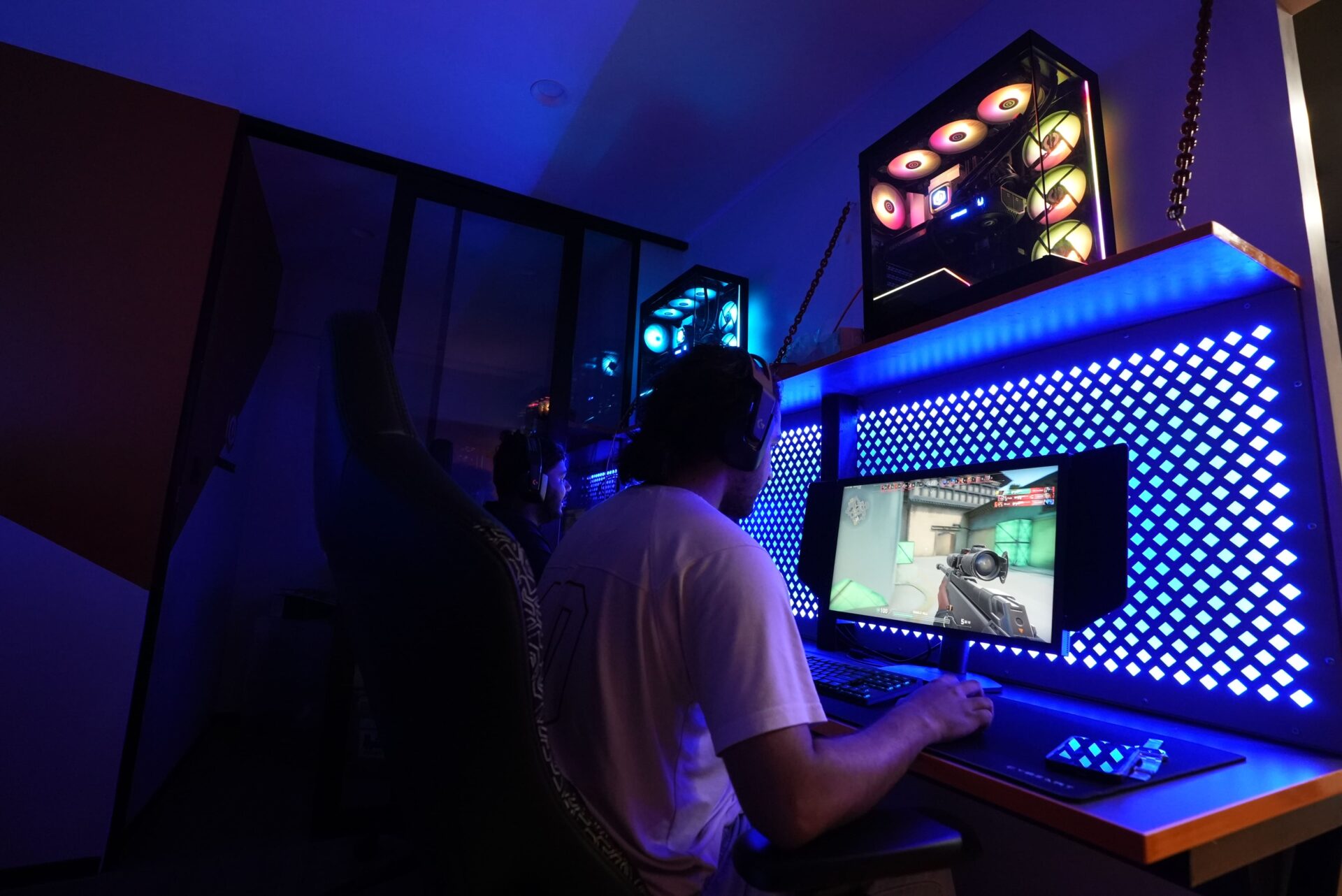
Hardware trends offer another interesting signal of maturity. Vishal Parekh from CyberPowerPC India notes that gamers are becoming more thoughtful buyers. Instead of chasing the most expensive setup upfront, many now see their PC as an ecosystem that can be upgraded gradually. What stands out is that high performance setups are no longer limited to metro cities. Smaller towns are showing real demand for quality hardware. At the same time, Sagar Nair from LVL Zero points out that spending on battle passes and subscriptions is increasing. This suggests a more stable user base that is willing to pay for better experiences, not just free access.
All of this together paints a picture of an industry that is still finding its balance, but with far more confidence than before. There are gaps, and progress is uneven in places, but the direction feels clearer. With regulation in place, international milestones ahead, and grassroots systems slowly forming, Indian esports in 2026 looks less like an experiment and more like a long term project that is finally taking shape.
Related FAQs
Q1: What is the PROGA law for gaming in India?
A1: The Promotion and Regulation of Online Gaming Act (PROGA) is a law passed in 2025. It creates a national body to license gaming platforms and clearly separates esports from illegal betting.
Q2: Which games will have medals at the Asian Games 2026?
A2: The event will feature eleven titles, including League of Legends, PUBG Mobile (Asian version), Street Fighter, and eFootball.
Q3: Is esports part of the Khelo India Games?
A4: Yes, esports was included as a demonstration event in the 2025 Khelo India Youth Games in Bihar, marking an early step toward formal recognition.
Q4: How can a player join professional esports in India?
A5: Players usually begin through grassroots tournaments in schools and colleges. Many professional teams now scout talent from local and state-level leagues, creating a clearer route into the professional scene.