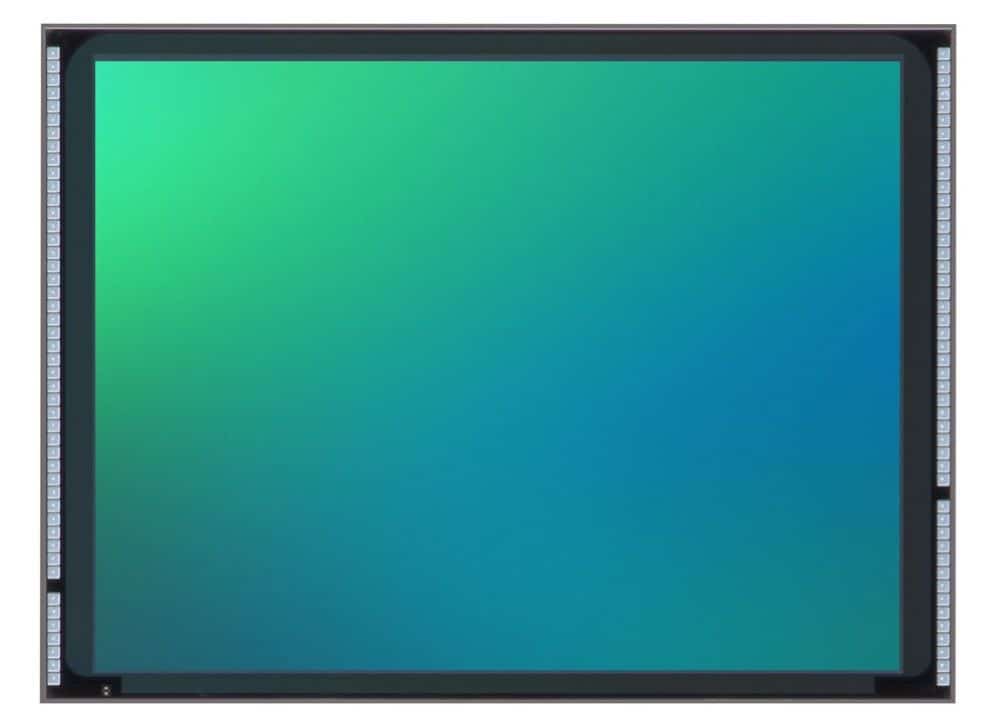
Sony Semiconductor Solutions Corporation announced the mass-production launch of the LYTIA 610, a new 1/2-type stacked CMOS image sensor designed for mobile devices. The sensor delivers approximately 64 effective megapixels and introduces an industry-first RB2x2 On-Chip Lens (OCL) pixel structure to enter mass production. Mass-production shipments commenced at the end of June 2026. This new component targets smartphone camera systems, aiming to close the performance gap between secondary telephoto lenses and main mobile camera sensors.
Key Takeaways
- New Pixel Structure: The sensor debuts the RB2x2 On-Chip Lens system, combining high resolution with faster autofocus.
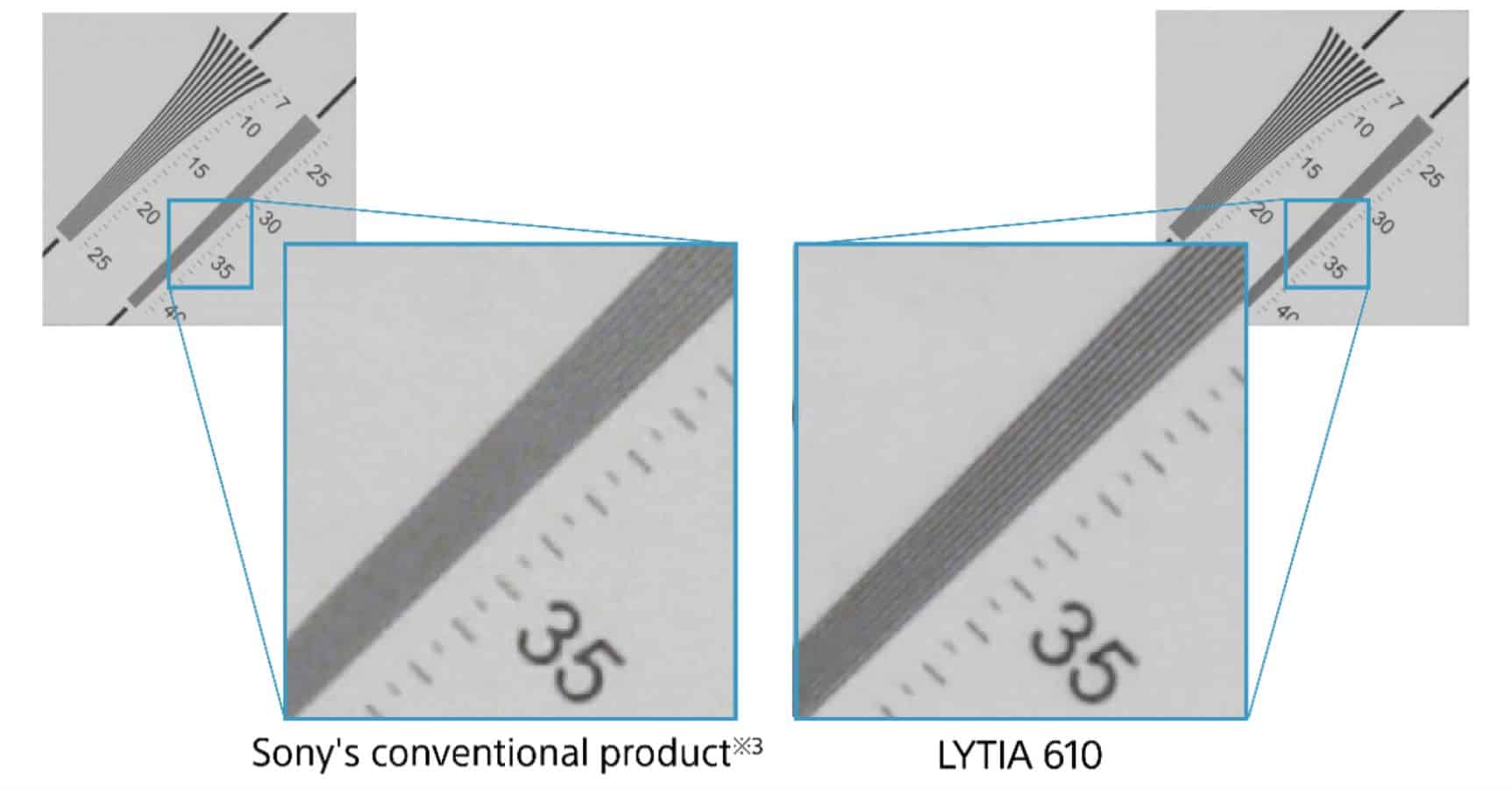
- Higher Resolution: A new processing algorithm improves spatial resolution by 20 percent compared to conventional Sony sensors of the same pixel size.
- Faster Video Capture: Advanced logic circuits enable 4K video recording at 120 frames per second for smooth slow-motion capture.
- Better HDR Support: The sensor provides 4K 60fps High Dynamic Range (HDR) recording for high-contrast environments.
Advanced Autofocus and Image Quality
The LYTIA 610 utilizes the specialized RB2x2 OCL architecture to balance detailed image capture and rapid focus tracking within a single hardware unit. LYTIA is the dedicated brand name for Sony mobile image sensors.
By integrating a 1×1 OCL arrangement alongside a 2×2 OCL structure, the hardware supports phase-detection autofocus while maintaining fine image detail. This configuration works alongside a newly developed remosaicing algorithm, which converts pixel arrays more effectively. As a result, smartphone telephoto cameras can capture distant subjects with cleaner edges and minimal detail loss.
The technical specifications reveal a unit cell size of 0.7 micrometers by 0.7 micrometers using a Quad Bayer color filter coding system. The full image size measures 1/2.0-type diagonally, which equals 8.095 millimeters. At full 64-megapixel resolution in a 4:3 aspect ratio, the sensor achieves a frame rate of 24 frames per second.
Faster Processing for Slow Motion Video
The hardware integrates updated logic circuits designed for lower power consumption alongside optimized analog-to-digital conversion systems. This structure increases data processing through parallelization, allowing the LYTIA 610 to double the readout speed of previous Sony 1/2-type image sensors.
The increased readout speed allows the sensor to support 4K video recording at 120 frames per second. This marks the first time a Sony sensor of this specific format size can record at this frame rate. Users can leverage this capability to capture fluid video of fast-moving subjects or produce high-resolution slow-motion footage.
For everyday video scenarios, the sensor records 16-megapixel images at 60 frames per second. It also introduces Dual Analog Gain HDR (DAG-HDR) at 30 frames per second for standard modes and 60 frames per second during 4K video capture. This helps reduce differences in exposure, color presentation, and detail when a smartphone user switches between the main camera and the telephoto camera in challenging light.
Technical Specifications
The interface functions with either 1.8V or 1.2V power supplies, utilizing an analog supply of 2.8V or 1.8V and a digital supply of 0.81V. For data transfer, the output interface supports both MIPI C-PHY up to 4.5 Gigasamples per second per trio, and MIPI D-PHY up to 2.5 Gigabits per second per lane.
Frequently Asked Questions
Q1. What is the main benefit of the RB2x2 On-Chip Lens structure?
A1. The structure combines a 1×1 lens setup for sharp image resolution with a 2×2 setup for phase-detection autofocus, allowing the phone to focus quickly without lowering image clarity.
Q2. What video frame rates does the Sony LYTIA 610 support?
A2. The sensor supports 4K video at 120 frames per second for slow motion, 4K HDR video at 60 frames per second, and standard 16-megapixel video at 60 frames per second.
Q3. When will smartphones with the LYTIA 610 sensor become available?
A3. Sony started shipping the mass-production units to device manufacturers at the end of June 2026, meaning new smartphones using this sensor can be expected in the coming months.