

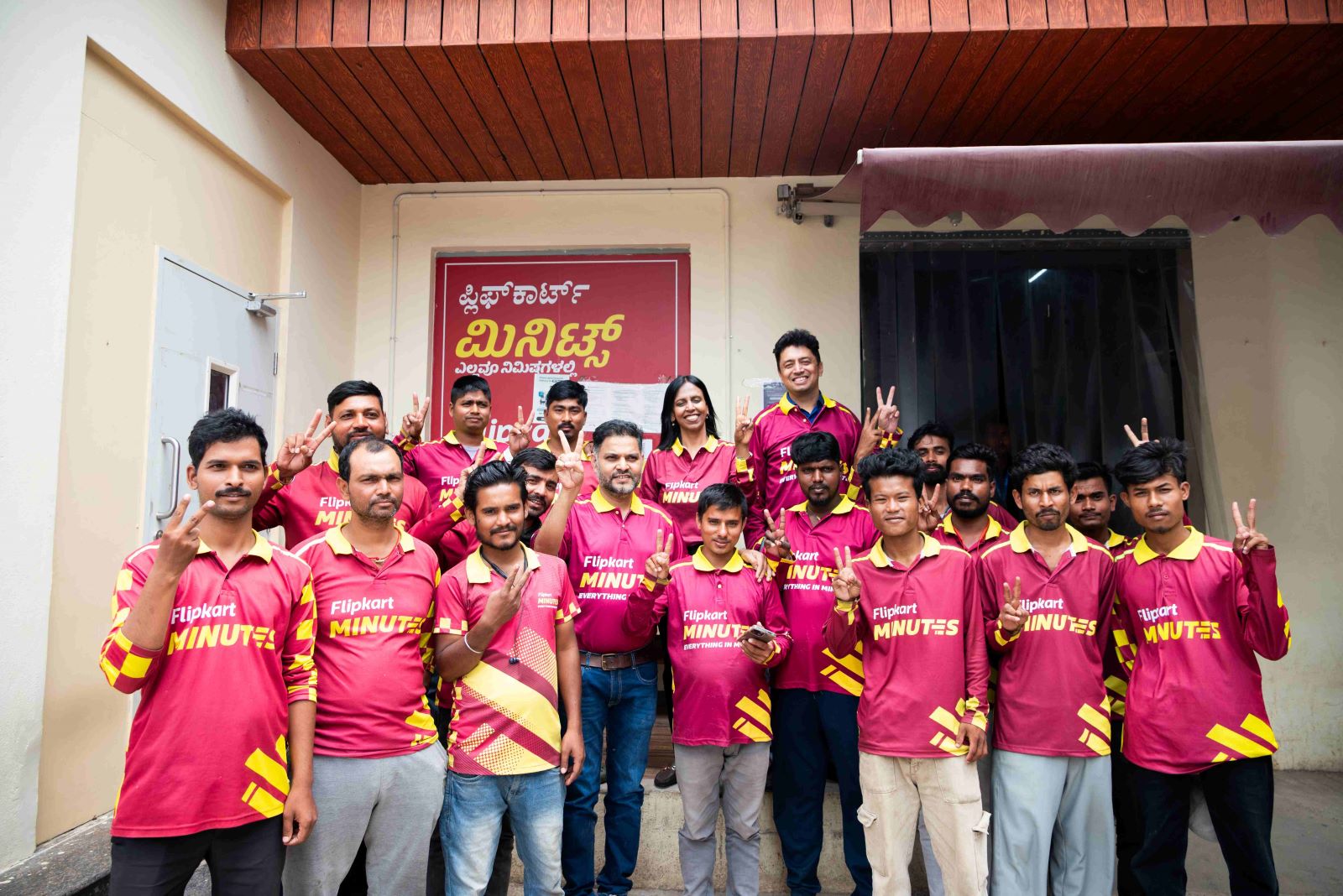
Flipkart Minutes, the instant delivery arm of e-commerce marketplace Flipkart, has reached a major network milestone by setting up 1,000 micro fulfilment centers across India. The company achieved this network footprint within two years of launching the quick commerce service in August 2024. The rapid physical footprint growth has resulted in order volumes surging five times compared to the previous year.
According to internal operational metrics, this momentum is coming from two key segments: smaller urban markets and Gen Z shoppers. While instant delivery services initially scaled inside top metro areas, small towns are now steering the expansion. Tier 2 and Tier 3 cities recorded a 42-fold increase in transaction scale over the past year, reflecting deeper market penetration for the brand.
Key Takeaways
- Network Milestones: 1,000 active micro fulfilment centers covering 130 cities and more than 8,000 local pincodes.
- Order Surge: Total order volumes grew five times over the previous year following the infrastructure push.
- Small-Town Momentum: Tier 2 and Tier 3 regional markets registered a 42-fold growth acceleration year-on-year.
- Demographic Shift: Gen Z consumers now make up more than 40% of the active shopper database.
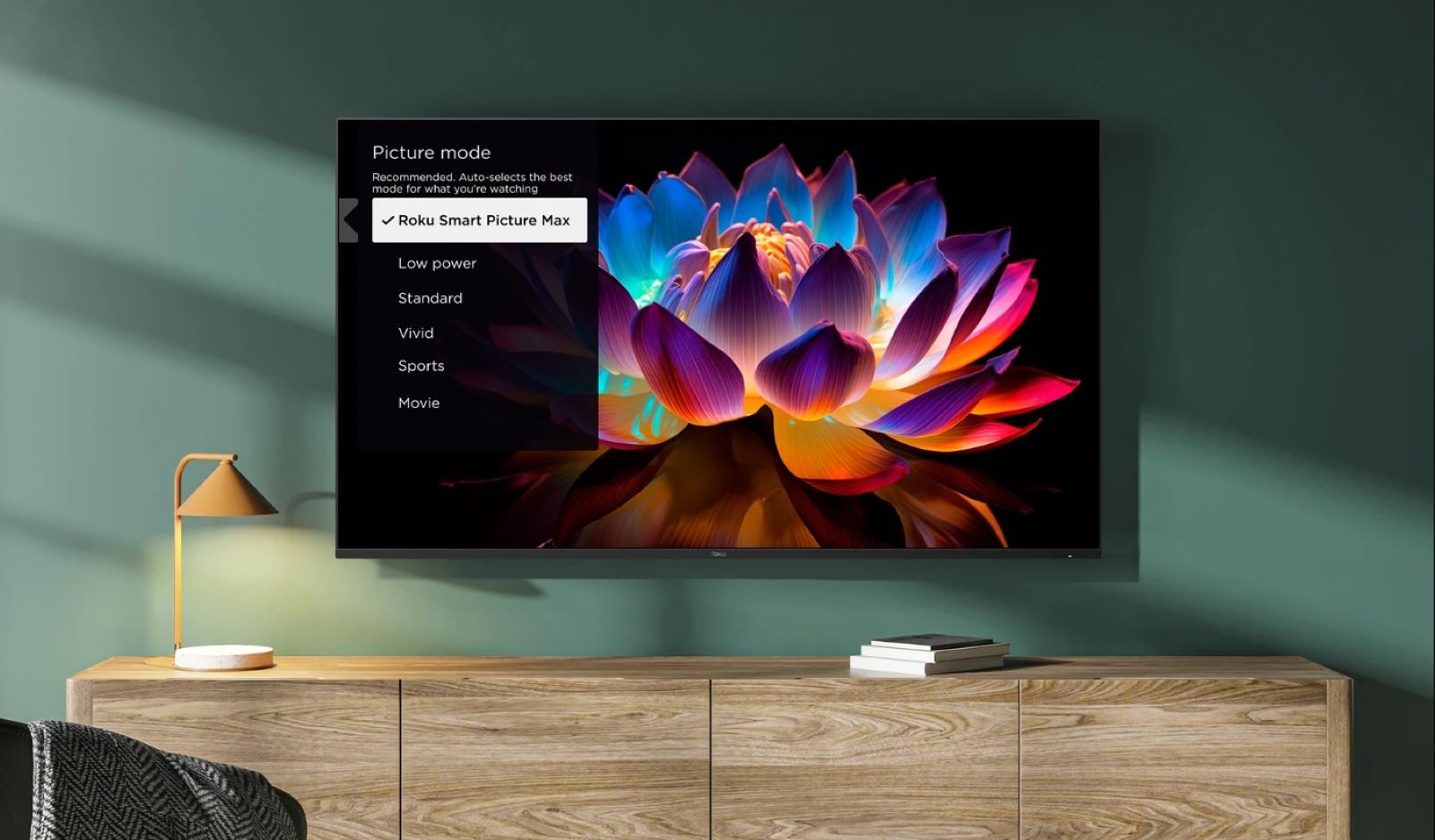
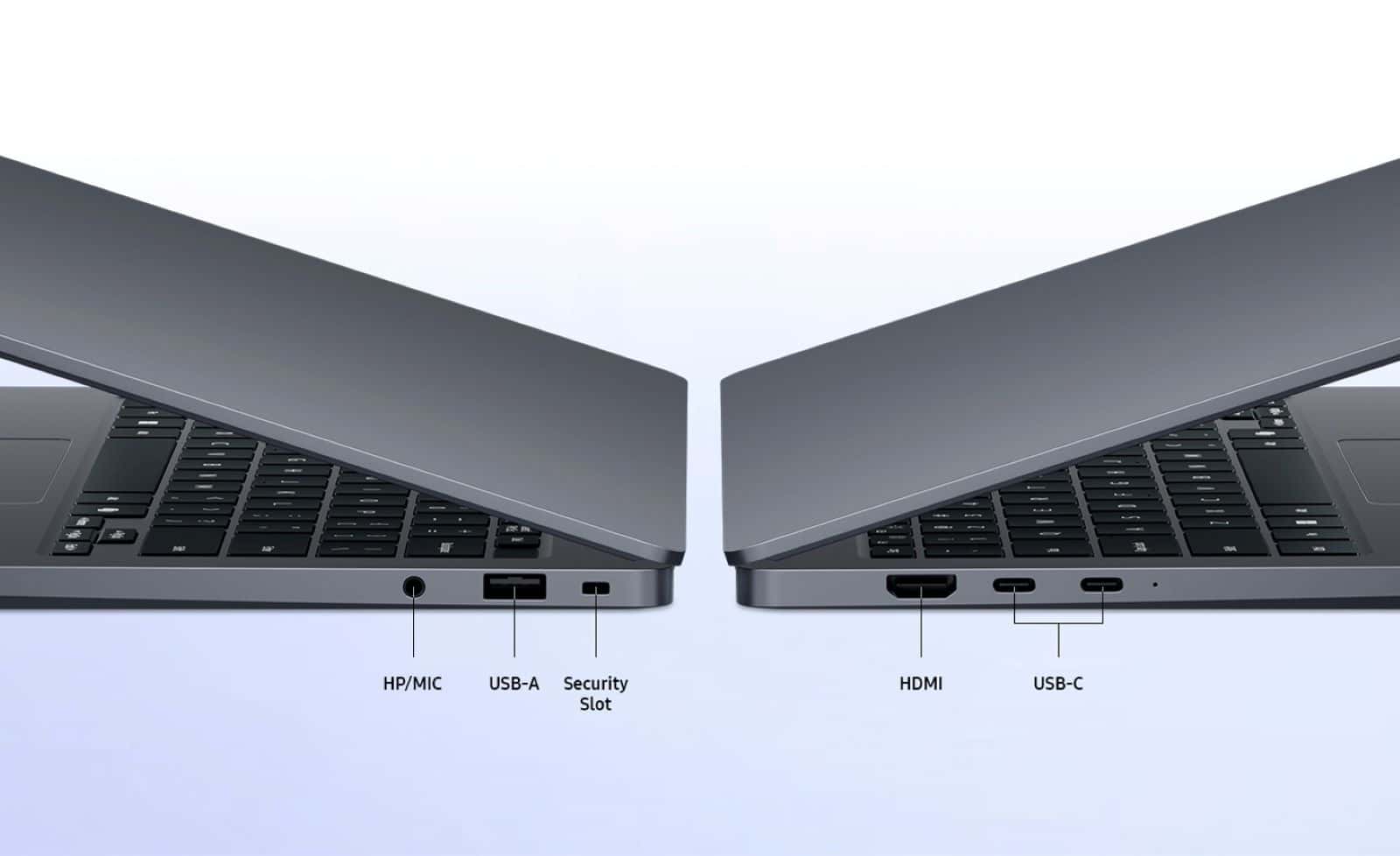
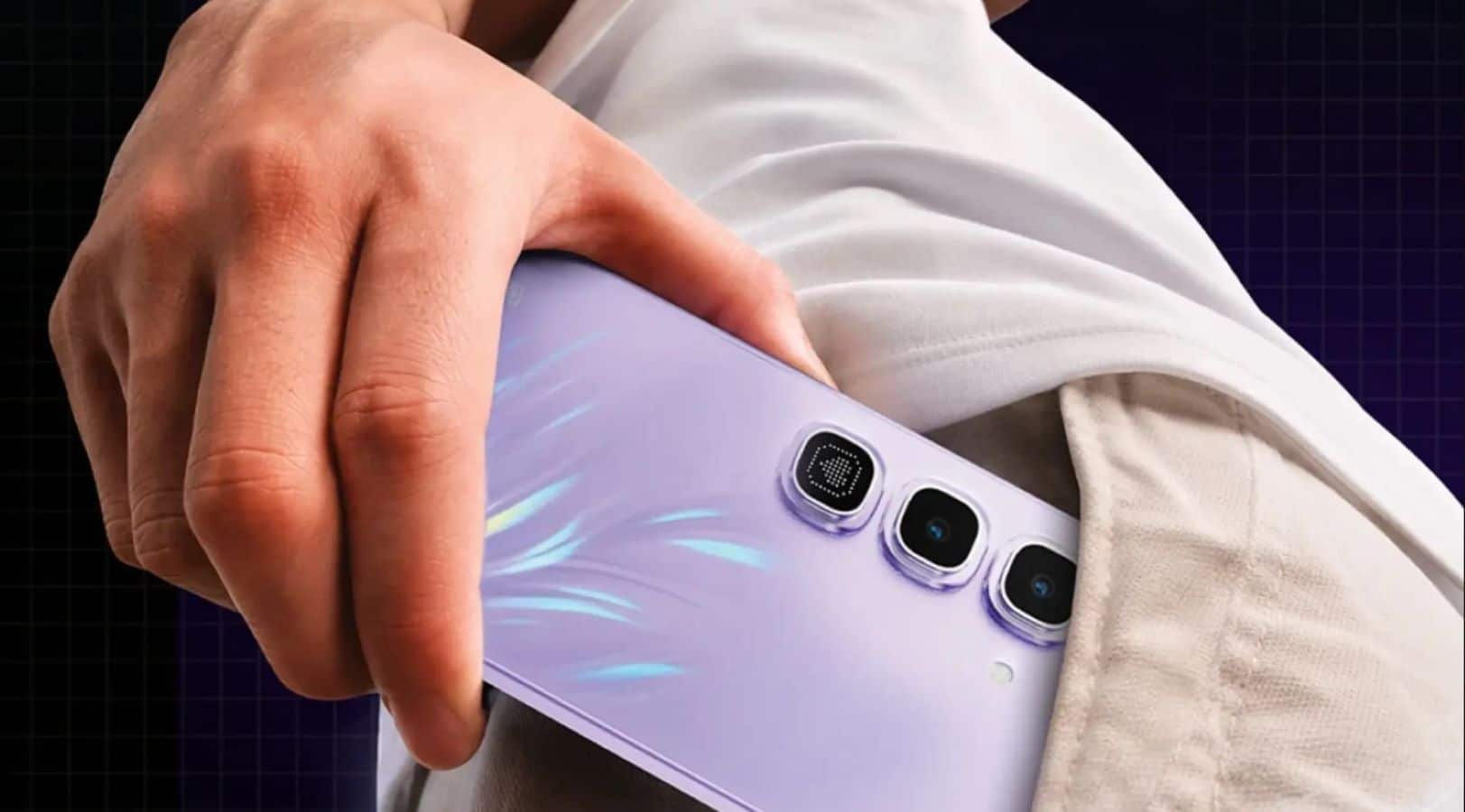
- Category Expansion: Item availability has spread into 250 product categories, including electronics, beauty, and personal care items.
Bharat Markets Lead Regional Network Expansion
The e-commerce player has expanded its quick delivery network into more than 90 new cities over the last 12 months. Strong consumption habits are coming from non-metro regional hubs like Ambala, Arrah, Bokaro, Darbhanga, Jorhat, Ongole, Purnia, Saharsa, and Tenali.
Company executives state that the operational expansion focuses on deeper geographical reach rather than focusing solely on urban metropolitan centers. This strategy balances metro city density with small-town growth, turning instant logistics into a nationwide retail option.
Changing Consumer Demographics and Product Diversification
Younger consumers are changing the way quick commerce services are utilized. Gen Z shoppers treat instant delivery as a daily purchasing medium rather than an emergency grocery backup. This demographic buys frequently across non-grocery segments like beauty products, personal electronics, and health items.
The platform has expanded its catalog to over 250 product categories. The broader assortment is altering general consumer baskets:
- Average basket value for fresh produce, including fruits and vegetables, rose by 30%.
- Repeat order rates across the user base increased by more than 20%.
- Non-grocery demand grew across 120 specialized product subsets.
Local Sourcing and Fleet Sustainability Initiatives
The scale-up of dark stores has changed back-end sourcing and local logistics setups. The service provider actively collaborates with around 500 direct-to-consumer brands to fulfill hyperlocal consumer demand. On the agricultural front, the Samarth Krishi program links more than 3,000 farmers directly to consumers via Farmer Produce Organizations, improving farm-to-door delivery timelines.
The company also expanded its green delivery initiatives alongside warehouse growth. The electronic vehicle delivery fleet doubled in size over the last year, with EVs handling over 10% of last-mile deliveries. Additionally, 20% of online customers selected reusable delivery bags for their orders during this operational period.
Frequently Asked Questions
Q1. What is Flipkart Minutes and when did it start?
A1. Flipkart Minutes is the quick commerce delivery division of Flipkart, an Indian digital marketplace company. The service was launched in August 2024 to provide rapid deliveries of daily essentials, groceries, electronics, and lifestyle goods directly to consumers.
Q2. How many cities and pincodes does the service cover currently?
A2. The platform currently operates across more than 130 Indian cities and services over 8,000 distinct pincodes through its network of 1,000 micro fulfilment centers.
Q3. Which product categories are available for instant delivery?
A3. While the service started with fresh groceries and fruits, it now covers over 250 product categories. Customers can purchase items spanning electronics, beauty, personal wellness, home lifestyle, and fresh agricultural produce.
Q4. What is the Samarth Krishi program associated with this platform?
A4. The Samarth Krishi program is a supply chain initiative that connects more than 3,000 local farmers and Farmer Produce Organizations directly with consumers. This setup enables farm-to-door product fulfillment and improves overall sourcing transparency.