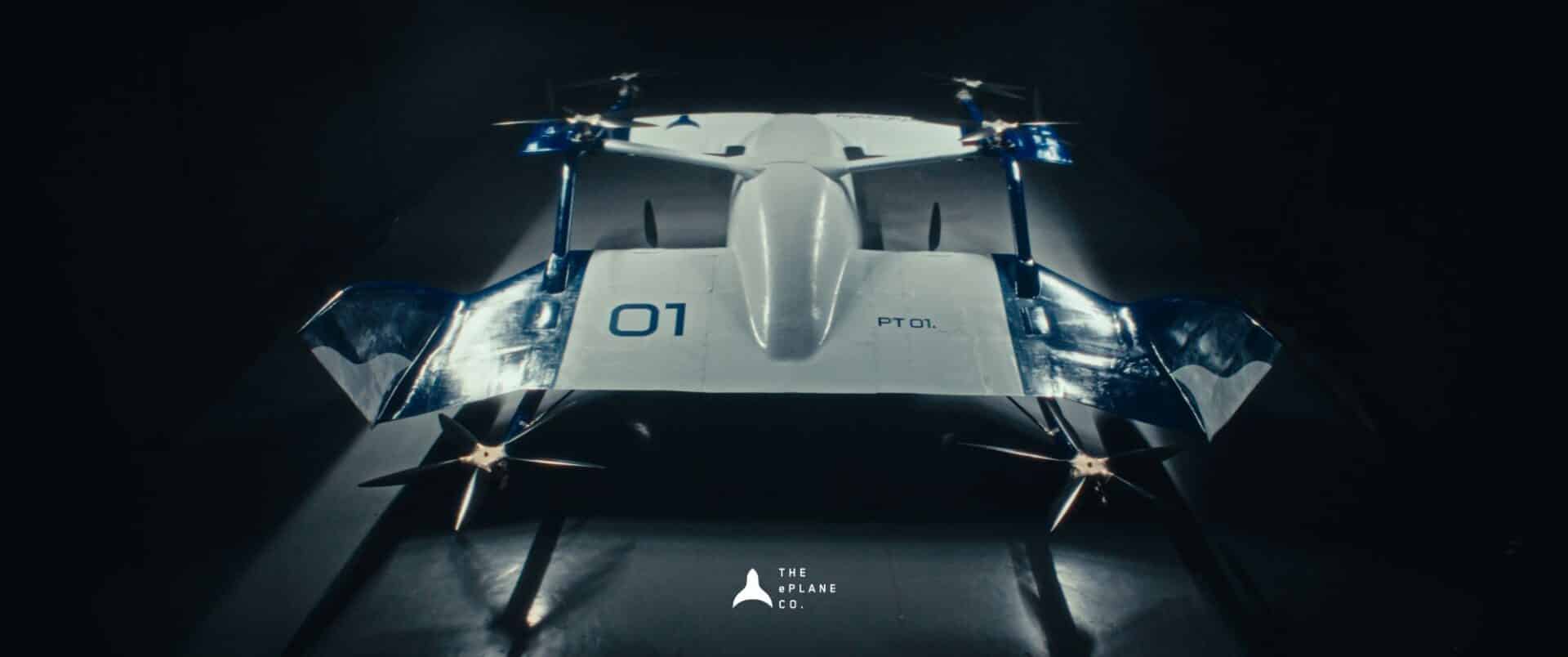
Chennai-based startup The ePlane Company completed the physical assembly of its full-scale electric vertical takeoff and landing aircraft, the e200X. The company integrated all core subsystems into a single prototype structure, designated as PT-01. This milestone transitions the aircraft from digital simulations into physical ground and flight testing at the company’s facility. The e200X utilizes a single airframe designed to serve three distinct urban markets: passenger transport, cargo delivery, and emergency medical services.
Key Takeaways
- Full-Scale Prototype Completed: The ePlane Company finished assembling the e200X PT-01 prototype, moving the project from design to physical testing.
- Three Urban Applications: A single airframe design serves as a passenger air taxi, urban cargo carrier, and air ambulance.
- In-House Development: The startup developed key components like propellers, battery packs, and landing gear internally rather than buying global assemblies.
- Regulatory Pathway: The company will first pursue Type Certification with India’s Directorate General of Civil Aviation before seeking international approvals.

The completion of the full-size airframe validates the company’s manufacturing tooling, internal supply chain, and subsystem integration. Unlike many global electric aircraft developers that source components globally, the Chennai firm chose vertical integration. The team designed and manufactured the propellers, airframe structure, landing gear, and battery packs in-house. This production methodology gives the company control over performance adjustments and engineering costs. The firm achieved this development stage using 21 million US dollars in funding raised so far.
Urban congestion remains a severe problem across major Indian metropolitan areas, causing delayed medical responses. The World Health Organization points out that survival during medical emergencies depends heavily on treatment within the first hour. India recorded 172,890 road accident deaths in 2023, while ground ambulance availability remained below international standards. By operating above traffic, the e200X aims to reduce transit times for patients and urgent payloads. The compact dimensions of the aircraft allow it to use existing urban infrastructure without requiring cities to build new transport hubs.
The startup, incubated at the Indian Institute of Technology Madras, plans to publicly show the e200X soon. The engineering team will conduct a ground testing campaign to subject the vehicle to mechanical and aerodynamic loads using specialized equipment. Following successful ground evaluations, flight testing will commence, expanding on data collected from previous subscale prototypes. The firm is working with the Directorate General of Civil Aviation, which is the first national regulator to accept an electric vertical takeoff aircraft into its official certification process.
The company’s board includes aviation and investment veterans who assist with scaling operations. The board features Aditya Ghosh, who previously built IndiGo into the largest airline in India and co-founded Akasa Air. Other board members include Eash Sundaram, former executive vice president at JetBlue, and Vishesh Rajaram, managing director of lead investor Speciale Invest. Founder Professor Satya Chakravarthy and Chief Financial Officer Jayakrishnan R manage the engineering and financial operations.
Frequently Asked Questions
Q1. What is the e200X?
A1. The e200X is a full-scale electric vertical takeoff and landing aircraft developed by India-based startup The ePlane Company for urban transport.
Q2. What are the primary uses of this aircraft?
A2. The single airframe design works as a passenger air taxi, an urban cargo transport vehicle, and an air ambulance for emergency medical medical services.
Q3. How is the e200X manufactured?
A3. The aircraft is built through vertical integration at the company’s own facilities, with the propellers, battery pack, landing gear, and airframe structure engineered in-house.
Q4. Which regulatory body will certify the aircraft?
A4. The company is pursuing Type Certification with India’s Directorate General of Civil Aviation, after which it plans to seek international validation.
Q5. How much funding has the company used to reach this stage?
A5. The ePlane Company completed the full-scale assembly using approximately 21 million US dollars raised from investors to date.