

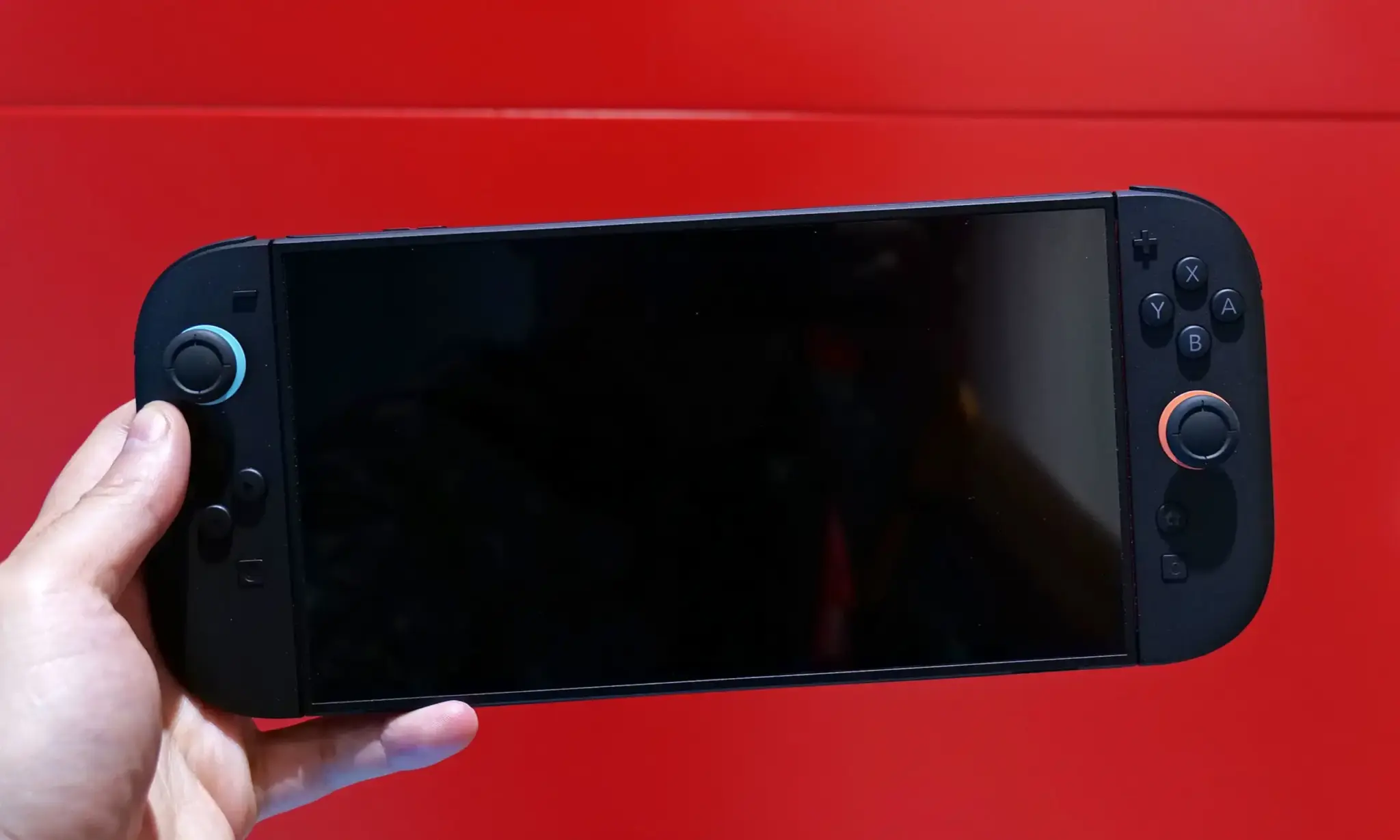
Nintendo has announced a sales forecast of 15 million units for its upcoming Switch 2 console in the fiscal year ending March 2026. This projection, revealed on May 8, 2025, comes ahead of the console’s global launch on June 5. While the figure aligns with the original Switch’s first-year performance, some analysts view it as conservative, considering the strong demand and pre-order activity observed.
A Cautious Forecast Amid Strong Demand
Nintendo’s decision to project 15 million units sold reflects a cautious approach, influenced by external factors such as U.S. trade tariffs. Analysts like Serkan Toto of Kantan Games suggest that actual sales could reach 20 million units, given the high demand and the company’s history of conservative forecasting. Pre-orders in Japan alone have reportedly reached 2 million, indicating robust consumer interest.
Pricing and Tariff Considerations
The Switch 2 is priced at $449.99, approximately 50% higher than its predecessor. Despite concerns over new U.S. tariffs on imports from countries like China, Vietnam, and Cambodia—where Nintendo manufactures hardware—the company has maintained this price point. Nintendo President Shuntaro Furukawa acknowledged that additional tariffs could impact profits and potentially necessitate price adjustments, which might affect demand.
Software Sales and Launch Titles
Alongside hardware sales, Nintendo anticipates selling 45 million software units for the Switch 2 within the same fiscal year. Launch titles include “Mario Kart World” and “Donkey Kong Bonanza,” with enhanced versions of “The Legend of Zelda: Breath of the Wild” and “Tears of the Kingdom” also planned. These offerings aim to attract both new players and existing fans, leveraging the console’s improved capabilities.
Comparisons to the Original Switch
The original Nintendo Switch has sold over 152 million units since its 2017 debut, making it one of the best-selling consoles of all time. In its first 13 months, it sold approximately 17.79 million units. The Switch 2’s forecasted 15 million units in a shorter timeframe suggests a strong start, potentially positioning it among the fastest-selling consoles if demand continues.
Market Challenges and Opportunities
Nintendo’s forecast considers potential challenges, including supply chain disruptions and economic uncertainties. The company has shifted some production from China to Vietnam and Cambodia to mitigate tariff impacts. Despite a 46.6% drop in operating profit in the previous fiscal year, Nintendo projects a 13% increase in operating profit to 320 billion yen ($2.22 billion) for the current fiscal year, driven by the Switch 2’s launch.
Consumer response to the Switch 2 has been enthusiastic, with pre-orders selling out quickly in various regions. However, some customers have expressed concerns over the higher price point and potential delays due to shipping constraints. Nintendo has advised U.S. customers that delivery by the June 5 launch date is not guaranteed, citing high demand and logistical challenges.
Nintendo’s projection of 15 million Switch 2 units sold in its first fiscal year reflects a measured approach, balancing optimism with caution amid external uncertainties. Strong pre-order numbers and anticipated software sales suggest a successful launch, positioning the Switch 2 to potentially match or exceed the performance of its predecessor. As the gaming industry watches closely, the Switch 2’s reception will likely influence Nintendo’s strategy and the broader console market in the coming years.