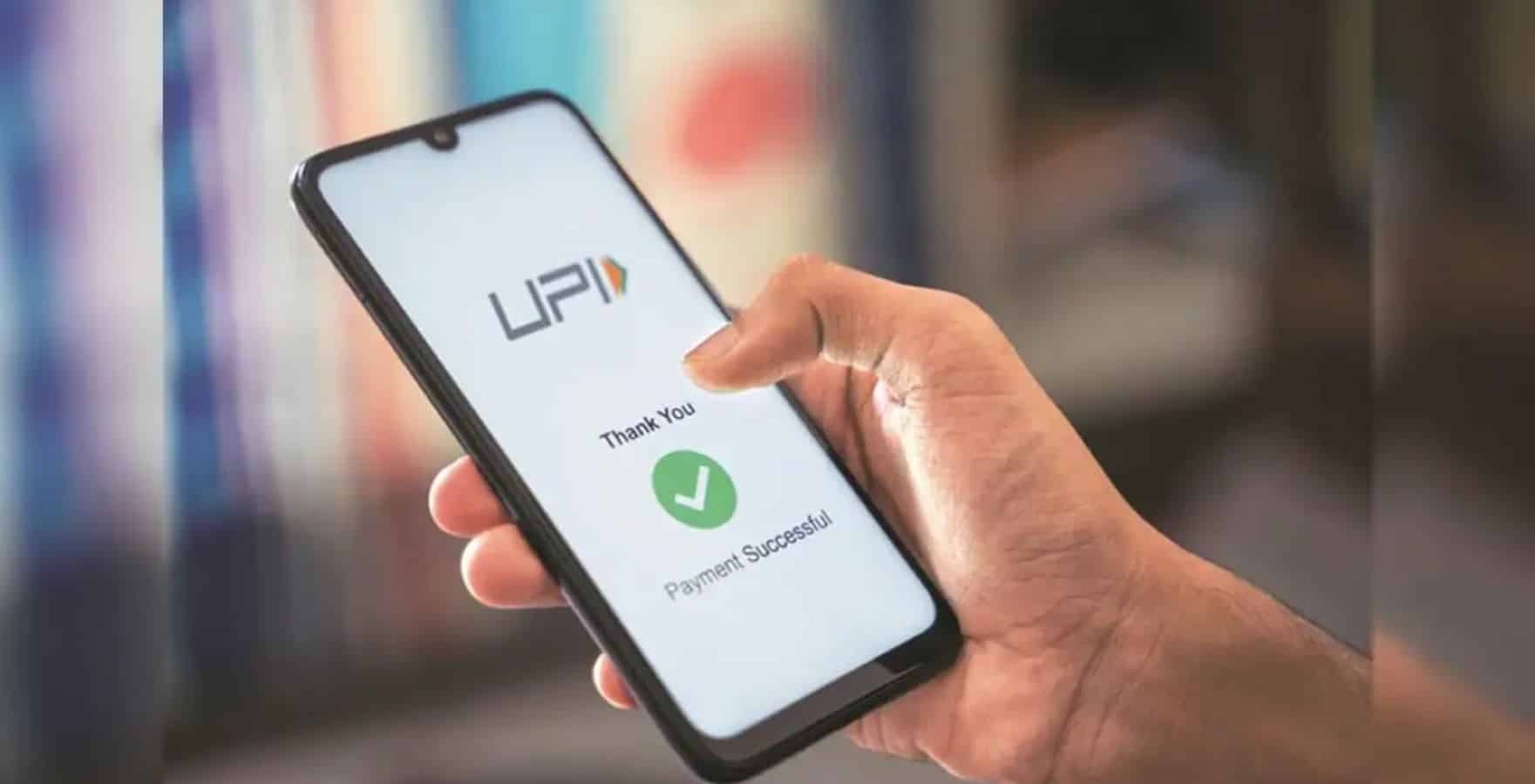
The National Payments Corporation of India (NPCI), the umbrella organization for retail payments in the country, is working on an interoperability framework for UPI AutoPay. The new system will allow Indian consumers to transfer their active recurring mandates from one Unified Payments Interface (UPI) app to another without cancelling and re-registering their payments. The upcoming change addresses a long-standing issue where recurring payments keep users locked to a single payment application.
Key Takeaways
- Users can view and manage all active recurring mandates across different UPI apps on a single dashboard.
- You can shift systematic investment plans (SIPs), streaming subscriptions, insurance premiums, and loan EMIs to a new app without re-authorizing them.
- The system continues to debit money from the user’s originally approved bank account.
- Businesses and payment aggregators can move existing customer mandates across payment gateways without user churn.
- Official details are expected at the Global Fintech Fest in Mumbai.
How UPI AutoPay Portability Works
NPCI introduced UPI AutoPay in 2020 to automate recurring debits up to preset limits for mutual funds, utility bills, and digital subscriptions. Under the current system, every mandate remains tied to the specific UPI app through which a user created it. If you set up an OTT plan on Google Pay and later switch to PhonePe, Navi, or BHIM, you cannot manage or view that payment on your new app.
With the new portability system, users can initiate a transfer directly within their chosen UPI application. NPCI processes the request, updates the unique mandate reference, and shares the update with payment aggregators and banks. Money will continue to deduct on scheduled dates from your original linked bank account, but you will be able to pause, modify, or cancel the mandate from your preferred interface.
What This Means for Consumers and Businesses
The update removes friction for consumers who want to change their daily payments app. A single consolidated view will also help users identify forgotten subscriptions and avoid accidental overdrafts.
For online merchants and payment aggregators like Razorpay and Cashfree, interoperability solves backend challenges. Currently, when an online business changes its payment processor, existing recurring subscribers stay stuck on the old gateway. Under the updated guidelines, companies can transfer active mandate databases to new acquiring banks without requiring customers to perform fresh approvals.
Third-party application providers (TPAPs) must update their software architecture to support cross-app mandate data sharing before the feature goes live across India.
Frequently Asked Questions
Q1. What is UPI AutoPay portability?
A1. It is a feature being developed by NPCI that lets you move your recurring AutoPay instructions between different UPI apps without cancelling your active subscriptions.
Q2. Will my bank account change when I port an AutoPay mandate?
A2. No. Debits will continue to take place from the specific bank account you authorized during setup. Only the app you use to track and manage the payment will change.
Q3. Which recurring payments support AutoPay transfer?
A3. All eligible recurring payments, including mutual fund SIPs, loan EMIs, insurance policies, and media subscriptions, will support transfer once apps complete system upgrades.