‘Make in India’ is an initiative that started under the leadership of Prime Minister Narendra Modi back in September 2014. The primary motive of the campaign is to encourage multinational as well as domestic companies to manufacture their products in India. This would create more job opportunities, bring high-quality standards, and attract capital along with technological investment to bring more foreign direct investment (FDI) in the country.
The initiative is also aimed at enhancing skills across 25 sectors of the economy which include automobile, aviation, mining, oil and gas, biotechnology, defense, railways, textiles, food, pharmaceuticals, and more.
The campaign was designed by the renowned American advertising agency Wieden+Kennedy, and it appears the campaign is making good progress so far. A number of domestic as well multinational companies have backed the initiative by setting up manufacturing units in the country.
Indian Manufacturers who’ve joined Make in India:
Celkon
Many companies, both foreign and domestic have now started establishing manufacturing units in India. For instance, Hyderabad smartphone maker Celkon, who was earlier outsourcing from China, has set up its own manufacturing unit in Medchal, Telangana as a part of the initiative. Celkon’s unit in Medchal is equipped with four assembly lines and has a production capacity of 2 lakh units a month.
Spice Group
Back in January 2015, domestic smartphone manufacturer Spice Group made an investment worth Rs. 500 crore, stating that the company would set up a manufacturing unit in Uttar Pradesh. The unit will further bolster the company’s strategy to sell affordable mobile smartphones in India which are locally manufactured.
Micromax
Later that month, Micromax also announced its plans to invest Rs. 2000 crore in setting up three new manufacturing units in Andhra Pradesh, Telangana, and Rajasthan. The company is aiming at reducing dependence on imports by increasing domestic production to attain its 100 percent ‘Make in India’ plans.
By 2020, Micromax is gunning for the top five spots globally in the smartphone market. It’s the only Indian smartphone brand that is among the top 10 global smartphone brands.
Multinational manufacturers
Samsung
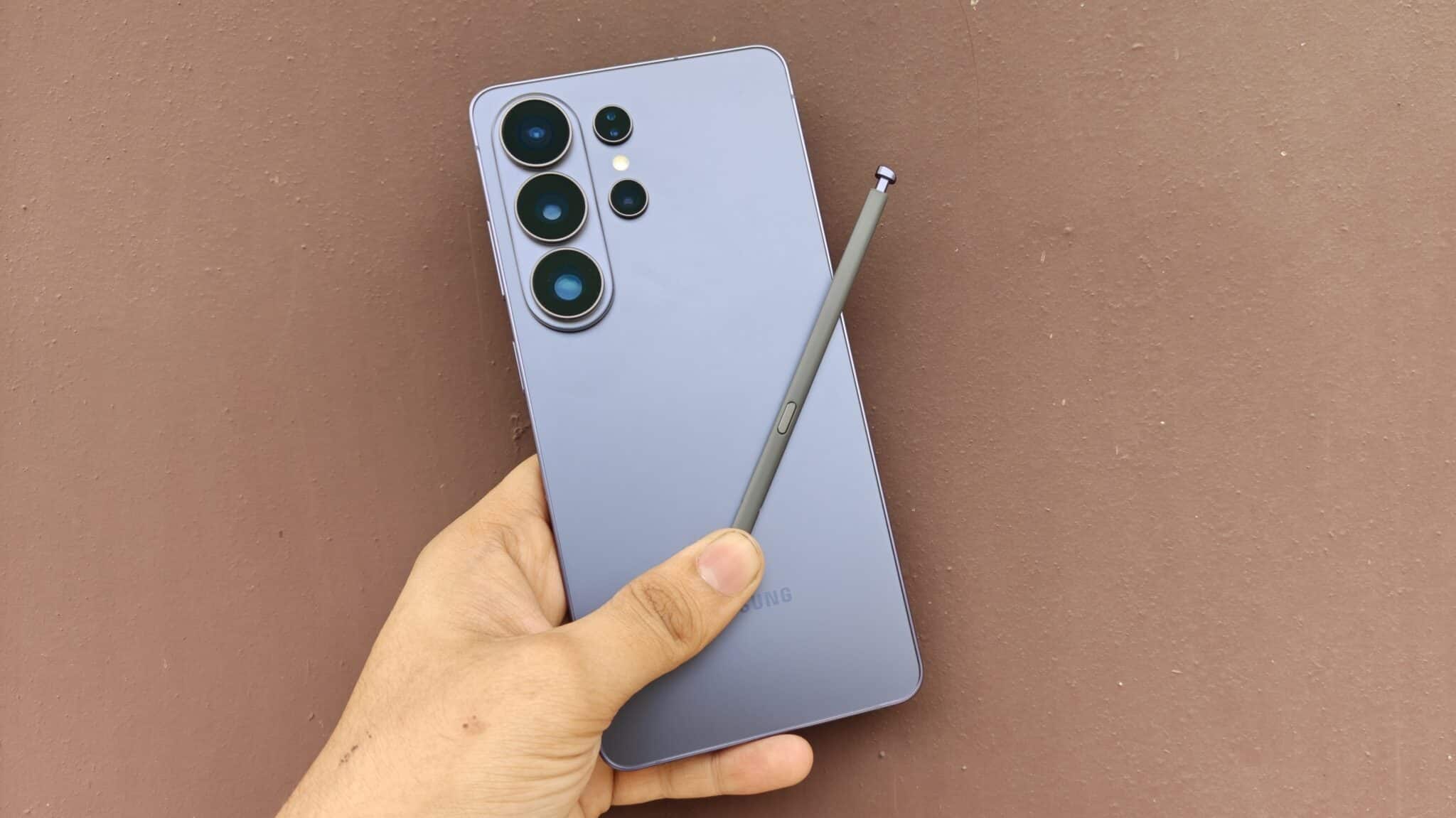
Hyun Chil Hong, president & chief executive officer (CEO), Samsung South Asia, also announced the company’s plans to establish “MSME-Samsung Technical schools” in India as a part of the initiative. The Korean giant also announced an investment of Rs. 5.17 crore for expanding its manufacturing unit in Noida, and added it would start manufacturing its Z1 handset in India.
Huawei
Later in February 2015, China’s Huawei made an investment worth $170 million to open a research and development center in India as a part of ‘Make in India’ initiative. It is apparently the company’s biggest R&D center outside of China which the company will use to develop software components.
“This center can accommodate nearly 5,000 software engineers, and we are confident that it will play a bigger role in the innovation journey of Huawei,” said Wilson Wang, chief operating officer of Huawei’s India research and development.
Foxconn
Similarly, Foxconn Technology, one of the largest multinational contract manufacturing company revealed its plans to develop 10-12 manufacturing units in India. The Taiwan-based tech giant also announced its plans to invest $5 billion in setting up R&D and hi-tech semiconductor manufacturing facility in Maharashtra.
It is also said to be in talks to manufacture Apple’s iconic iPhone in India, which could potentially lower the price of its products in the country where the Cupertino-based giant still falls behind Samsung and local manufacturers in terms of market share.
Xiaomi
Even Chinese manufacturer Xiaomi decided to manufacture phones in the country in partnership with Foxconn, as a part of Prime Minister Narendra Modi’s ‘Make in India’ initiative. The company to date has launched three ‘Made in India’ smartphones which include the Redmi 2 Prime, Redmi Note Prime along with the Redmi Note 3 launched in March this year.
LeEco
LeEco has joined in ‘Make in India’ initiative and has set up a manufacturing unit in Greater Noida, India. The company has made an initial investment of $5 million and another $2 million has been estimated for the automation process.
Lenovo
In August last year, Lenovo also announced that it has started manufacturing Motorola smartphones at a plant near Chennai. The plant has individual manufacturing lines for Lenovo and Motorola, along with separate lines for product testing and quality assurance.
Qualcomm
In December 2015, smartphone chipset manufacturer Qualcomm also jumped onto the ‘Make in India’ bandwagon. The company announced a ‘Design in India’ program, where it will set up an innovation lab in Bengaluru to provide mentorship along with technical and engineering support to up to 10 Indian hardware companies.
Vivo Mobiles
Recently, IPL sponsor Vivo Mobiles started churning out locally-made smartphones at its manufacturing facility in Greater Noida, Uttar Pradesh, which employs 2,200 people. The new manufacturing unit will primarily cater to the demands of the Indian market and will assemble all Vivo smartphones currently available in the country.
Oppo
Even smartphone maker Oppo, relatively new in the Indian market, has joined the ‘Make in India’ manufacturing bandwagon in India. The company will initially manufacture 4G smartphones at its plant in Noida only for the Indian market, though in the future may start exporting a portion of the total production in other South Asian markets. The company is in talks with electronics giant Foxconn to explore options for setting up manufacturing units in India.
Criticism:
Though it’s still early days as we’ll have to wait and see how the campaign shapes up in the near future. It has also witnessed its share of criticism with allegations which include siphoning of funds, higher pricing, more profits for multinationals for setting up plants in India, land-grabbing, and promote black money in the economy.
Experts also believe that changes in labor laws, land rules, environmental regulations, and education policies announced by the government as a part of the initiative come with major social costs and eventually may not result in enough good jobs.