Google has updated its core Search platform by adding real-time conversational capabilities, autonomous task agents, and browser-based coding tools. Liz Reid, the head of Google Search, announced that the new setup uses the Gemini 3.5 Flash model as the default engine behind AI Mode. The update changes how people interact with standard search results, replacing static links with a dynamic search box that expands to handle text, full documents, images, and live code execution. Users can now hold continuous back-and-forth conversations directly on the search page without losing previous context.
Key Takeaways
- Google Search now runs on Gemini 3.5 Flash to process conversational text, source files, and complex user queries.
- Autonomous Search agents can run in the background 24/7 to track web updates, price changes, and property listings.
- Built-in coding tools let developers test code snippets, debug errors, and view software outputs directly in the search browser.
- The search box dynamically expands into an interactive workspace across mobile devices and desktop computers.
- The full feature rollout begins for general users, with dedicated background agents arriving first for premium AI subscribers.
Interactive Search Box and Autonomous Agents
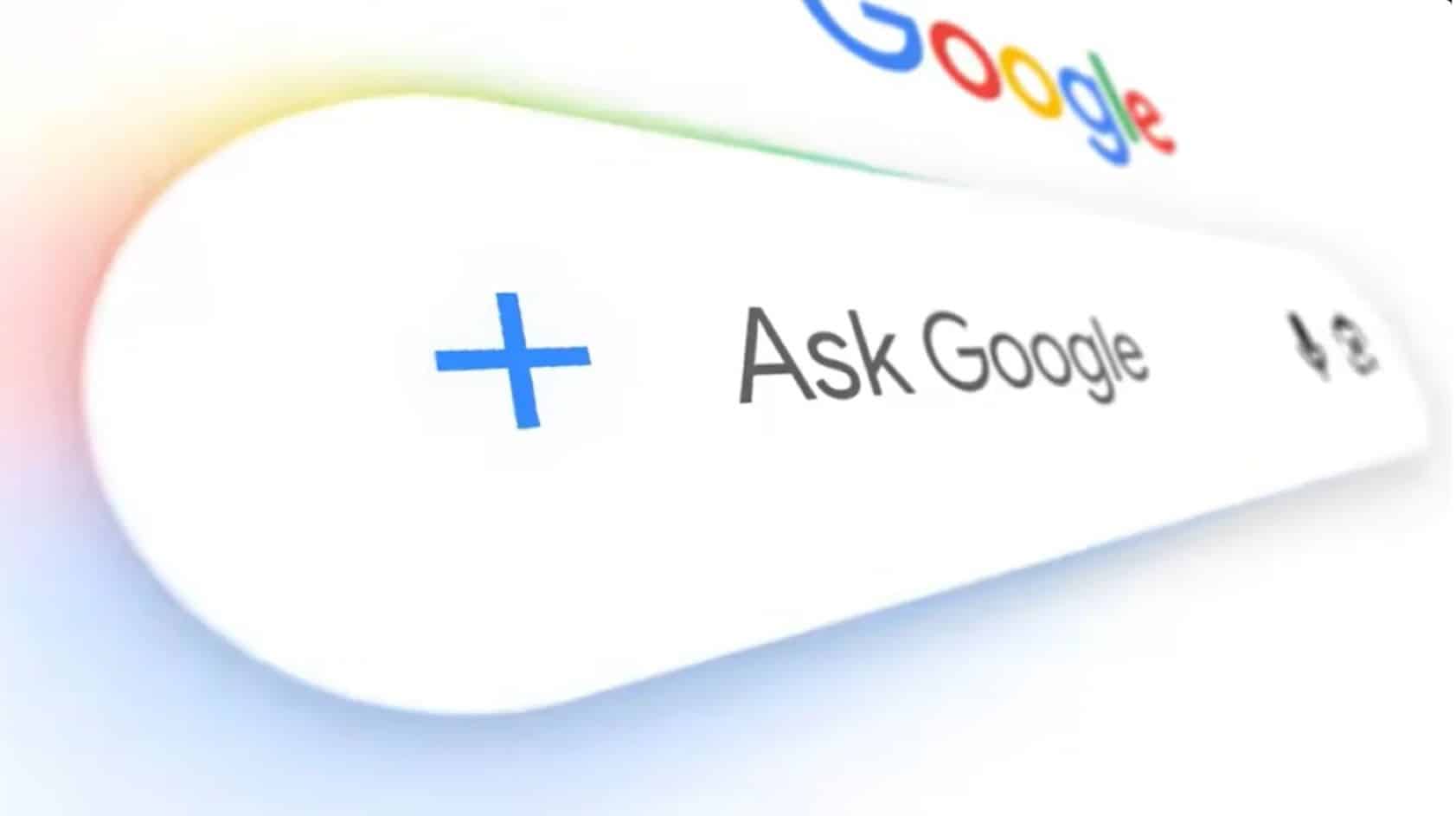
The standard single-line Google search box has received its largest redesign in over two decades. When users enter longer questions, the box expands into a workspace that accepts uploaded PDFs, code scripts, screenshots, and open browser tabs as input. If you ask a follow-up question after reading an AI Overview summary, the system retains your earlier prompts and continues the dialogue in real time.
Alongside conversational answers, Google introduced background Search agents. These agents operate continuously to monitor external web pages, discussion boards, and e-commerce listings based on specific instructions. For instance, a user can instruct an agent to track flat rentals in a specific neighborhood or check for price drops on electronics. When the agent finds matches that meet the user’s exact criteria, it sends an organized alert with direct action buttons.
In-Browser Coding and Developer Tools
For programmers, students, and tech professionals, Search now includes a sandboxed execution environment. Instead of copying Python or JavaScript code from forums to a local terminal, users can run, edit, and debug scripts inside Search. The tool analyzes syntax errors, provides line-by-line logic explanations, and recommends package installations when needed.
This update directly addresses the daily habits of users in India and worldwide who rely on Search for office work, competitive exam prep, and software development. By handling full queries in one place, Google reduces the need to switch between separate browser tabs and third-party AI chatbots.
Frequently Asked Questions
Q1. What is the new Google Search conversational update?
A1. It is a major update that brings multi-turn conversational answers, background AI agents, and code-running tools directly into Google Search through Gemini 3.5 Flash.
Q2. Do I need to pay to use the conversational search box?
A2. No, the basic conversational search box and direct follow-up questions are free for general users across mobile and desktop.
Q3. How do the new Search agents work?
A3. Search agents run in the background 24/7 to scan websites, track real-time price drops or property listings, and send structured alerts when your conditions match.
Q4. Can students and programmers run code inside Google Search?
A4. Yes, the update includes an interactive code sandbox where users can test, edit, and debug code snippets without opening an external code editor.
Q5. Who gets access to the background task agents first?
A5. Google is releasing the background information agents first to Google AI Pro and Ultra subscribers, followed by a broader general rollout.