

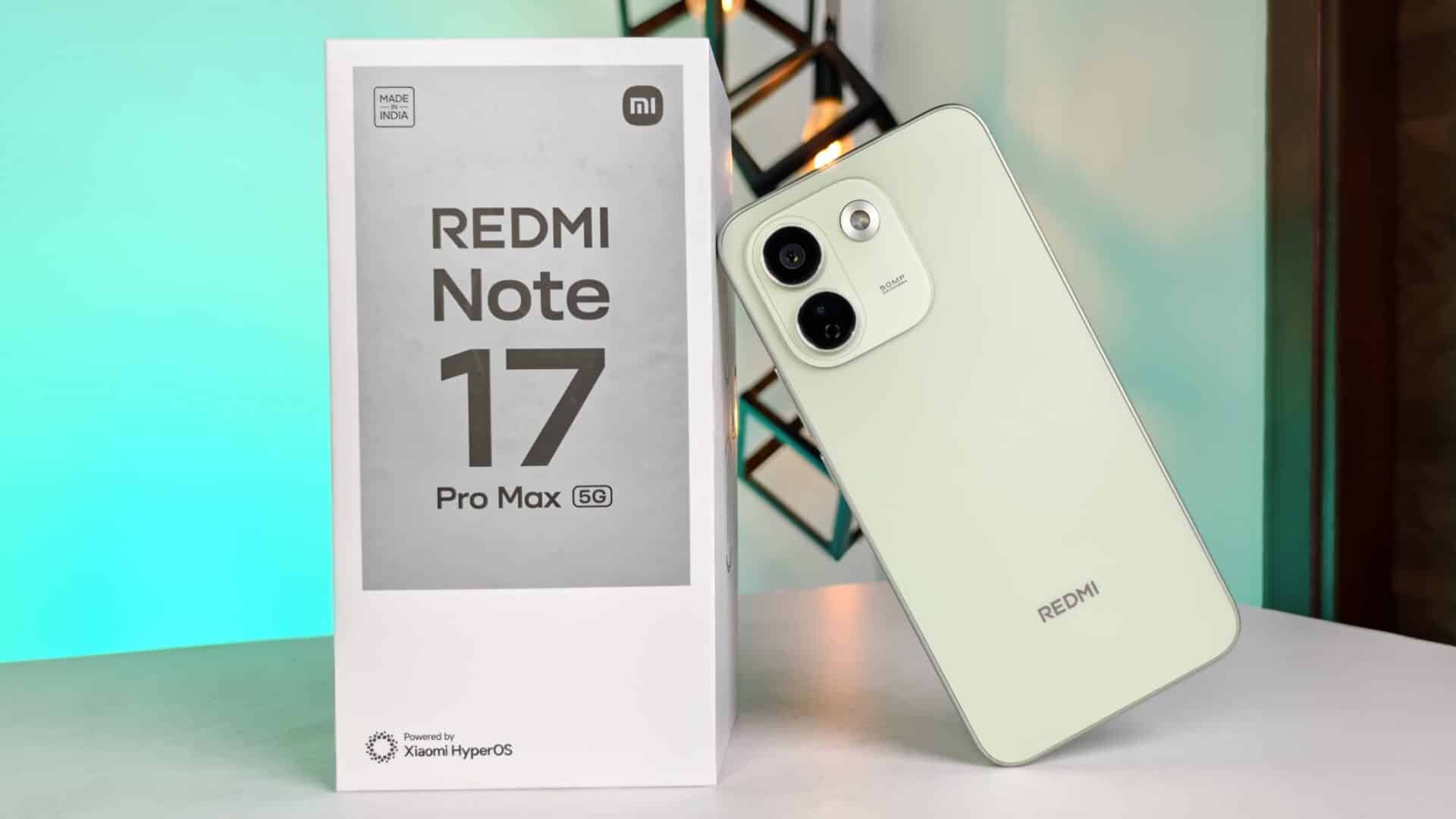
Smartphones keep getting heavier and thicker when manufacturers try to stuff larger power cells inside them, but users continue demanding multi-day battery life without carrying a power bank. I spent the last four weeks testing the Redmi Note 17 Pro Max in the 12GB RAM and 256GB storage configuration, specifically wrapped in the Matcha Green color variant, priced at Rs 55,999 in India. This handset arrives with an enormous 10000mAh silicon-carbon power source that changes how phone usage feels during heavy travel days. Testing this device under bright sunlight, crowded city commuting, and long gaming sessions revealed how well these specifications hold up in everyday Indian conditions.
Key Takeaways:
- Massive ten thousand milliamp-hour power source delivers multiple days of typical usage on a single charge.
- Bright flat AMOLED panel reaches high visibility levels outdoors even under direct sunlight.
- Heavy build weight makes one-handed operation tiring during extended periods.
- Mid-range processor handles daily tasks smoothly but struggles with extreme graphics settings in demanding titles.
Design And Build Quality
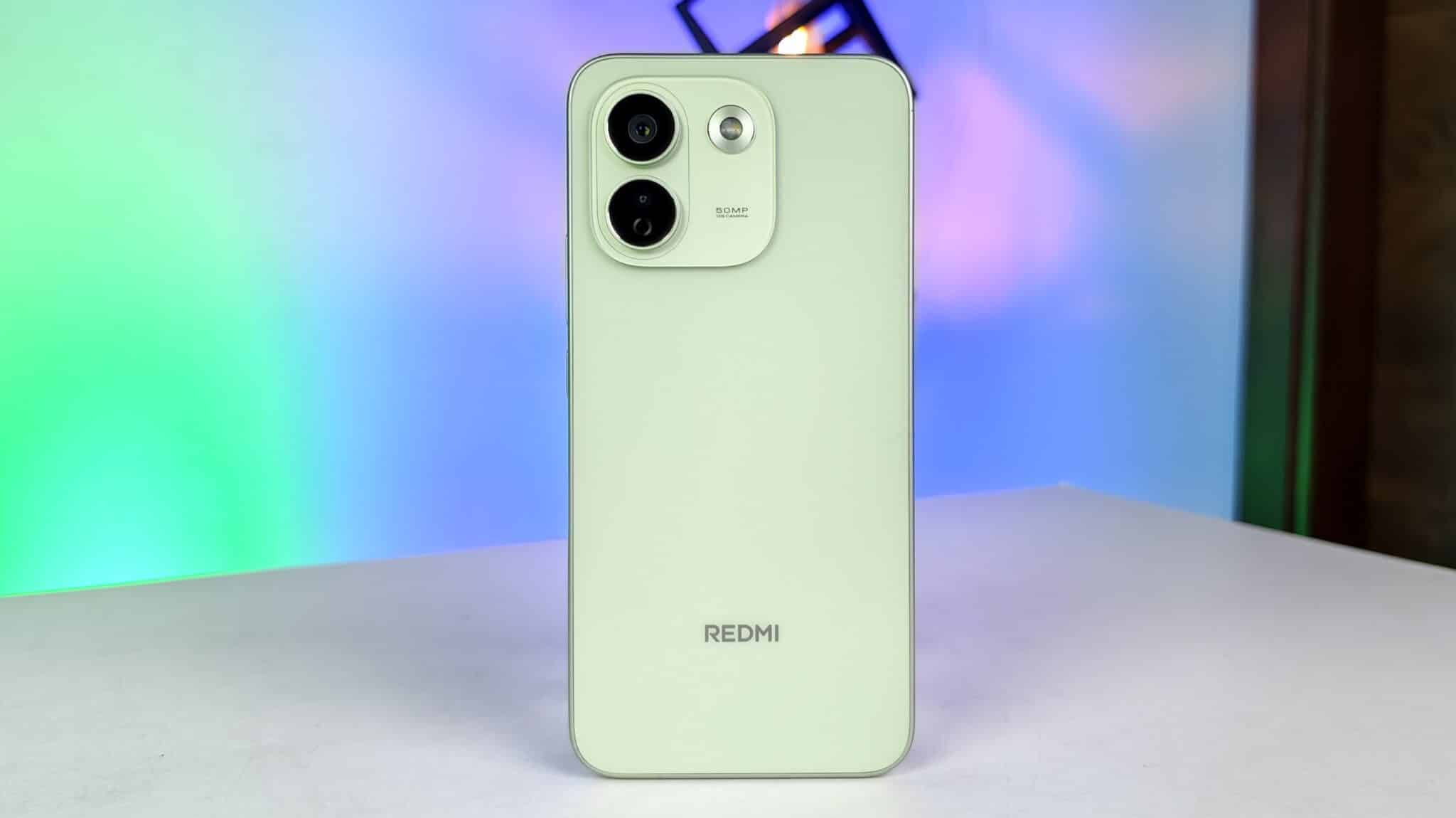
Picking up the Redmi Note 17 Pro Max immediately reveals a device that feels dense and substantial. Tipping the scales at 229 grams and measuring 8.65 millimeters in thickness, it avoids feeling like a standard slim slab phone. The Matcha Green color option provides a matte texture on the back panel that resists fingerprints well and offers a secure grip, which proves necessary given the wider 78.27 mm frame. Using this phone with one hand requires constant finger stretching, and carrying it in front jeans pockets creates a noticeable pull while walking.
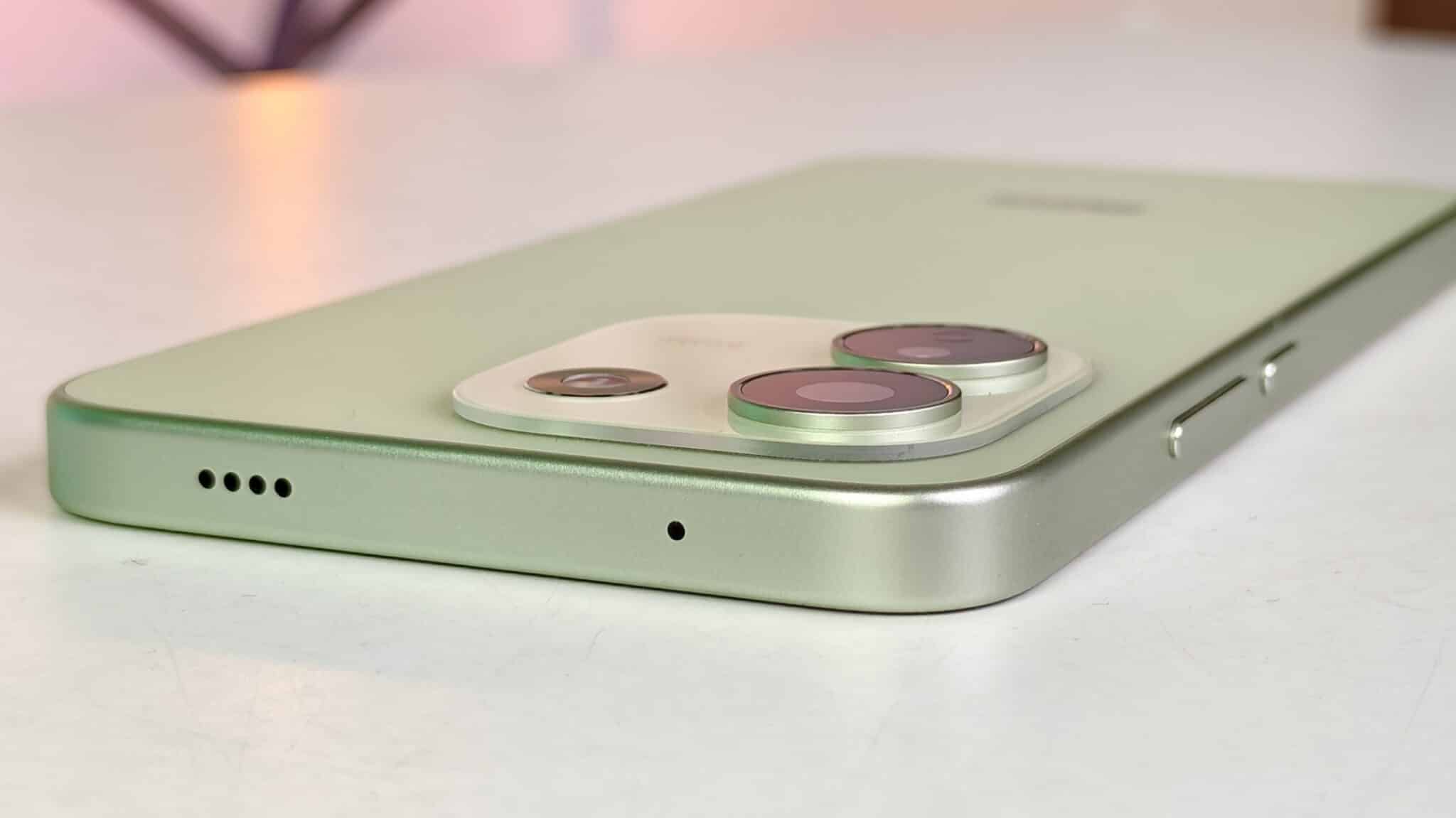
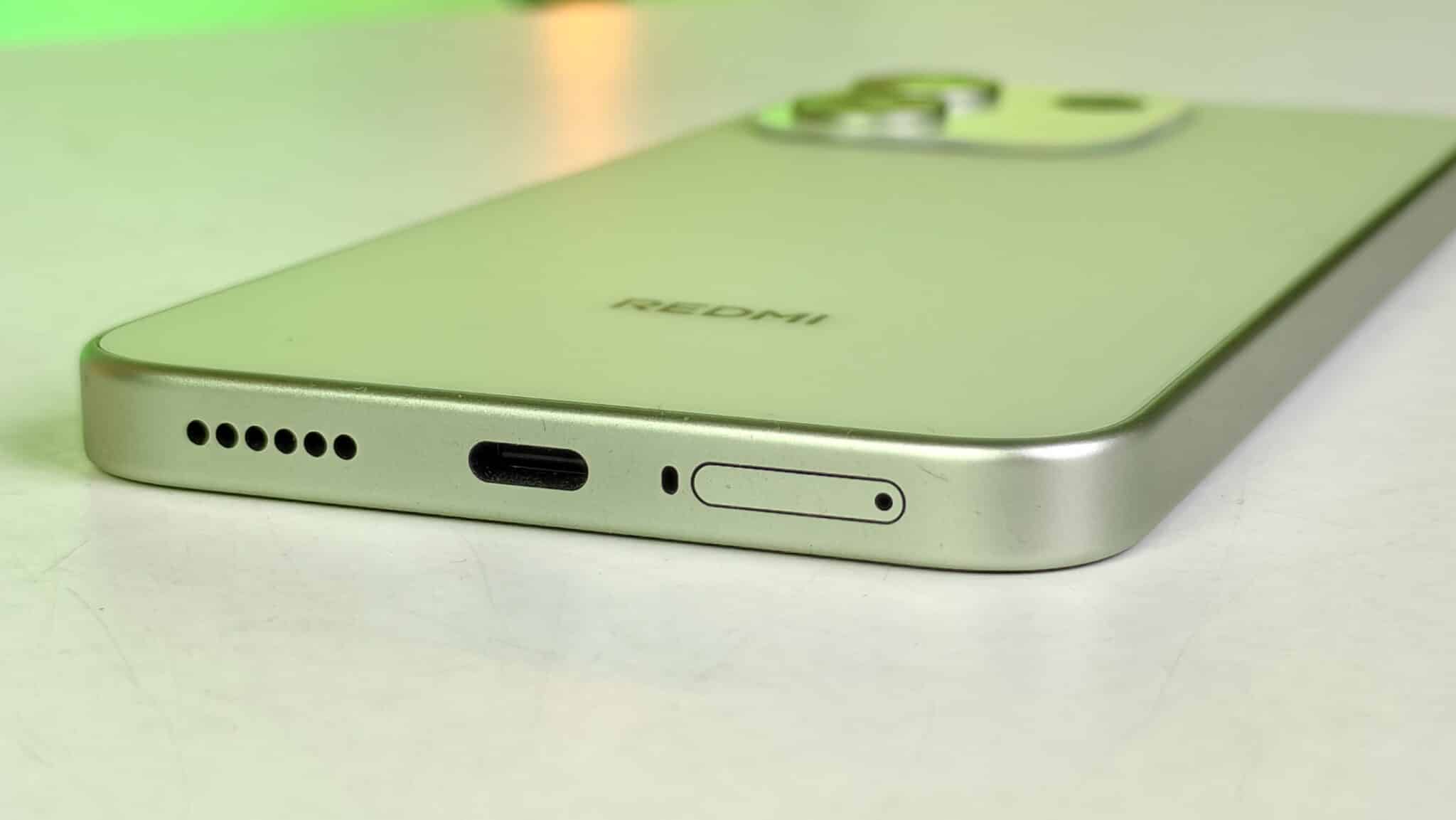
The front glass protects a flat 6.83-inch display surrounded by uniform bezels. Xiaomi includes an optical in-display fingerprint sensor that reacts instantly during unlocks, alongside an infrared blaster positioned on the top edge for controlling household appliances like air conditioners and televisions. The physical buttons sit on the right side within comfortable thumb reach and offer a distinct click response. While the weight takes time to get used to, the overall structural rigidity feels reassuring against accidental drops.
Display Performance
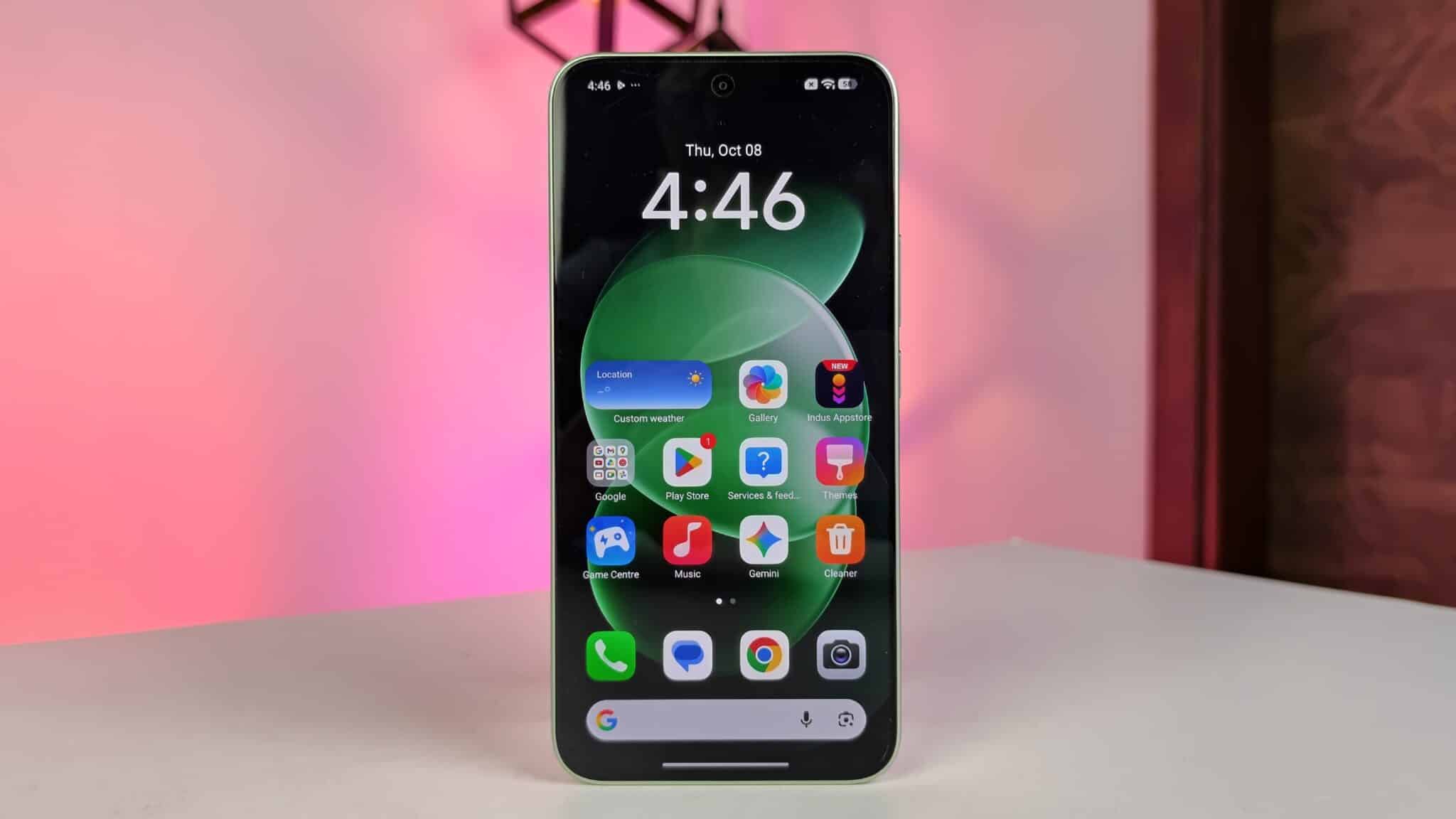
Outdoor visibility remains a critical factor for smartphones used across Indian streets, and the panel on this device handles harsh daylight without trouble. The 6.83-inch flat AMOLED screen boasts a peak brightness rating of 3500 nits, which kicks in automatically when stepping outside under harsh afternoon sun. Reading navigation directions or checking messages requires no squinting. The 2772 by 1280 resolution keeps text sharp, while the 120Hz refresh rate ensures scrolling through social media feeds and web pages looks fluid.
Watching HDR content on YouTube and Netflix works well thanks to Dolby Vision and HDR10+ support, delivering deep black levels and accurate skin tones. The 12-bit color depth presents vibrant images without oversaturating everyday user interfaces. Wet Touch 2.0 technology also functions as advertised, registering finger inputs accurately even when raindrops land on the glass surface during sudden monsoon showers.
Hardware Performance And Software
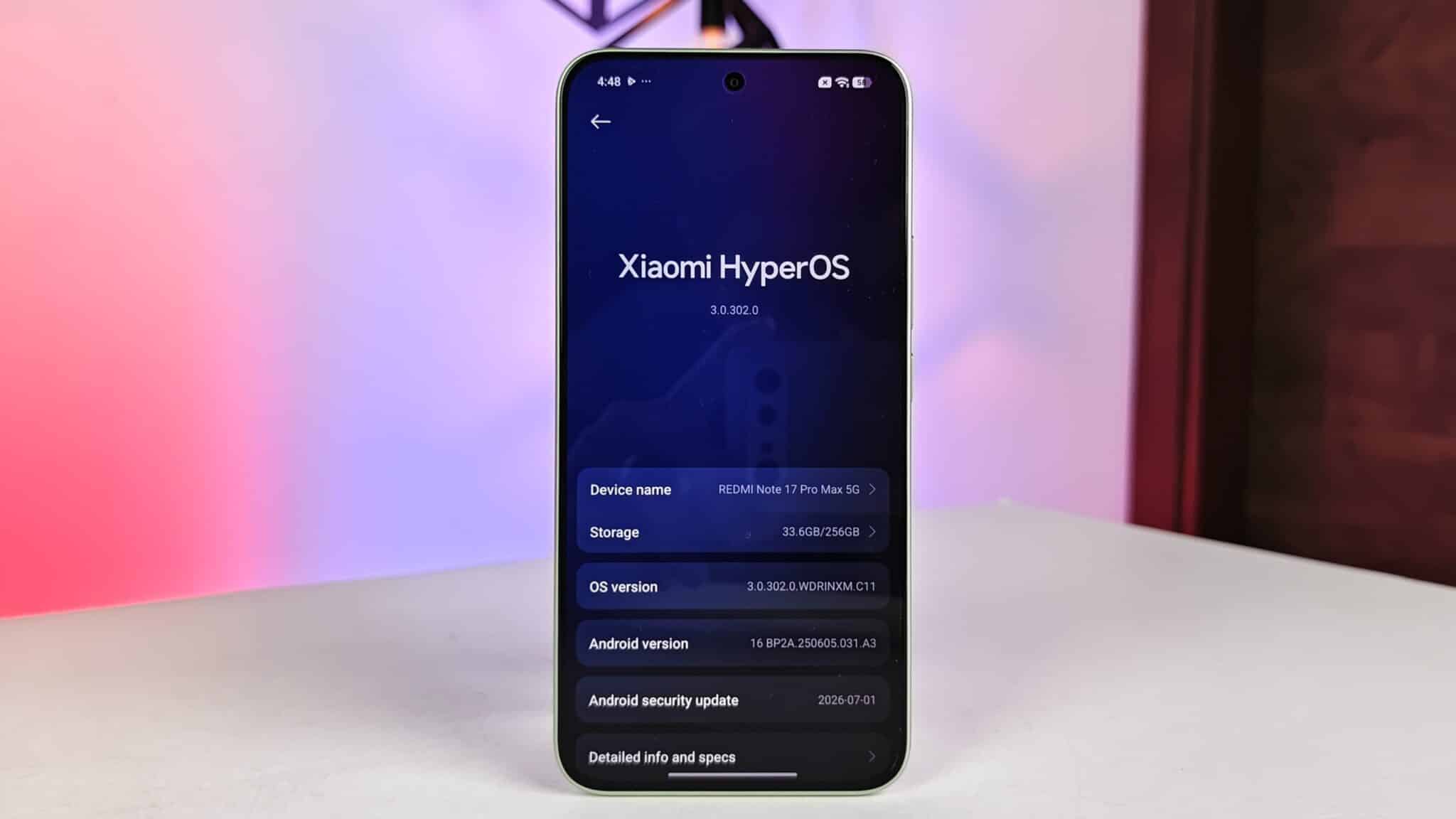
The processing package relies on the Qualcomm Snapdragon 6 Gen 5 Mobile Platform paired with 12GB of LPDDR5X RAM and 256GB of UFS 4.1 storage. Moving through the user interface of Xiaomi HyperOS 3 based on Android 16 feels responsive, with applications opening quickly and background multitasking remaining stable without frequent app reloads. The 256GB storage capacity leaves ample room for large media files, offline map downloads, and heavy games.
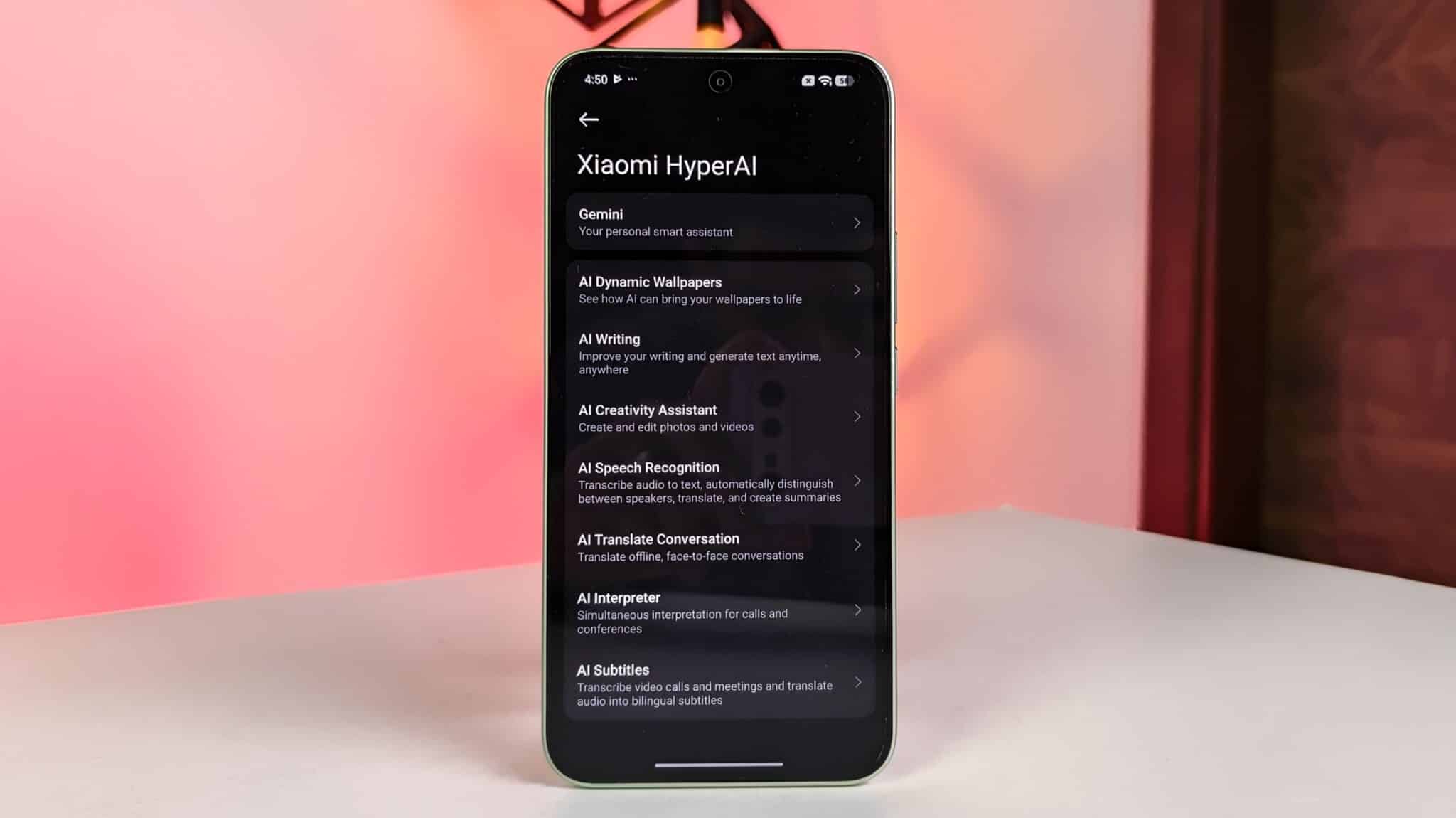
Running standard productivity apps, navigation tools, and casual puzzle games creates zero lag. Playing graphically intensive titles like Genshin Impact at maximum settings, however, pushes the processor limits, resulting in occasional frame drops after twenty minutes of continuous play. Dropping settings to medium resolves thermal buildup, keeping the back panel only mildly warm. The dual speaker setup delivers high volume levels with a 400 percent boost option, though pushing audio past eighty percent introduces distortion in treble frequencies.
Camera Capabilities
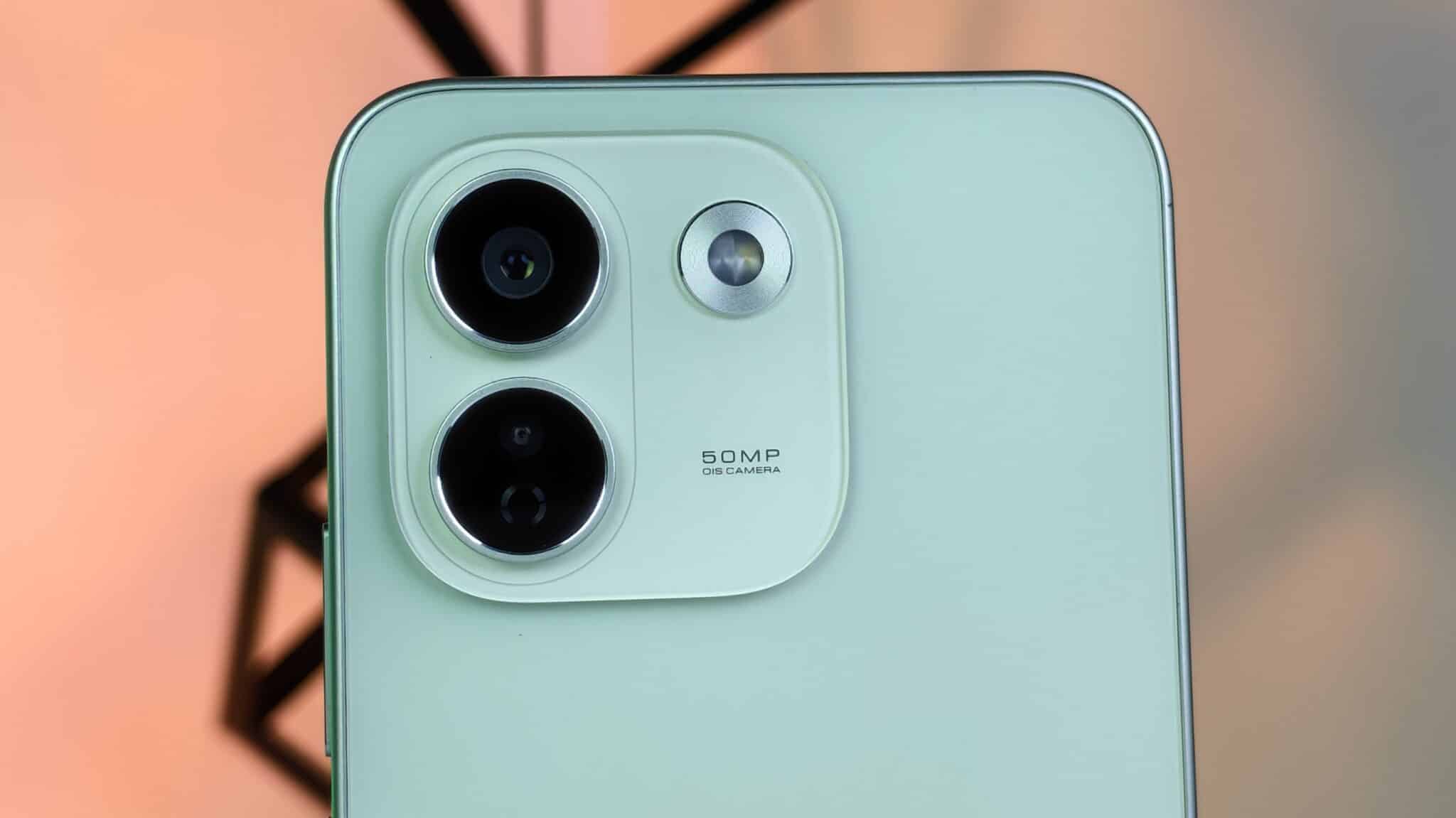
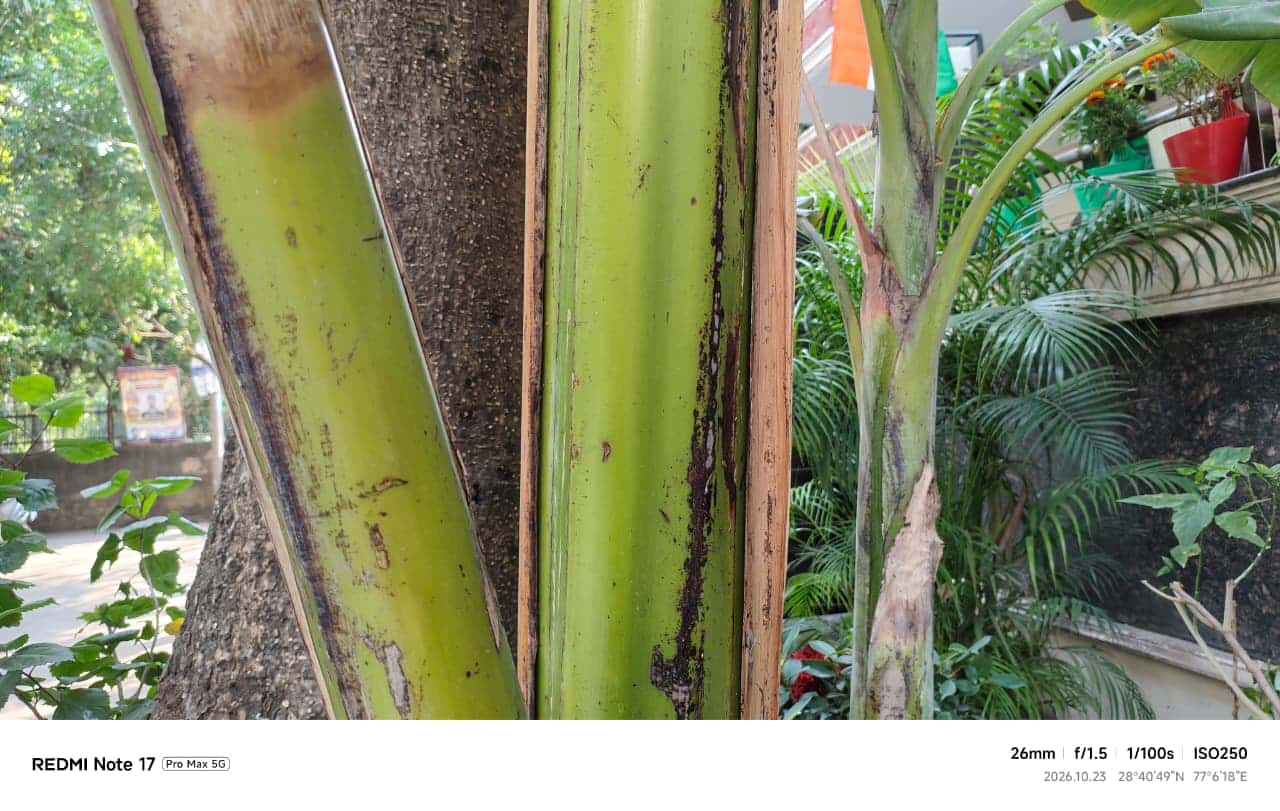
The rear camera module houses a 50MP primary sensor equipped with optical image stabilization and an f/1.5 aperture. Daylight shots capture balanced dynamic range, preserving details in both bright skies and shadowy alleys. The large aperture lets in ample light during evening walks, producing clear low-light photographs with controlled noise levels. The 8MP ultra-wide camera maintains decent color consistency with the main sensor, though edge sharpness drops slightly compared to the center frame.


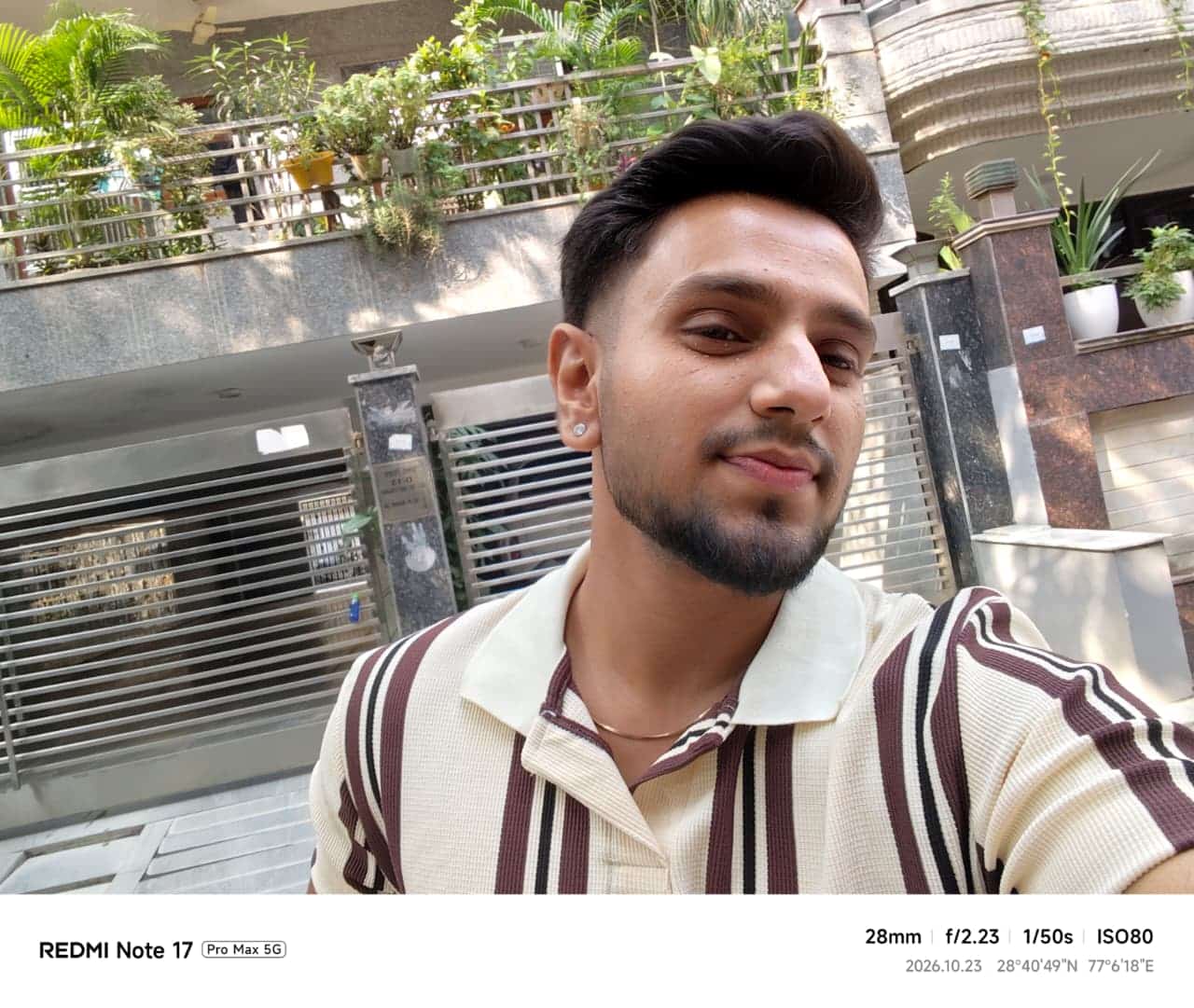
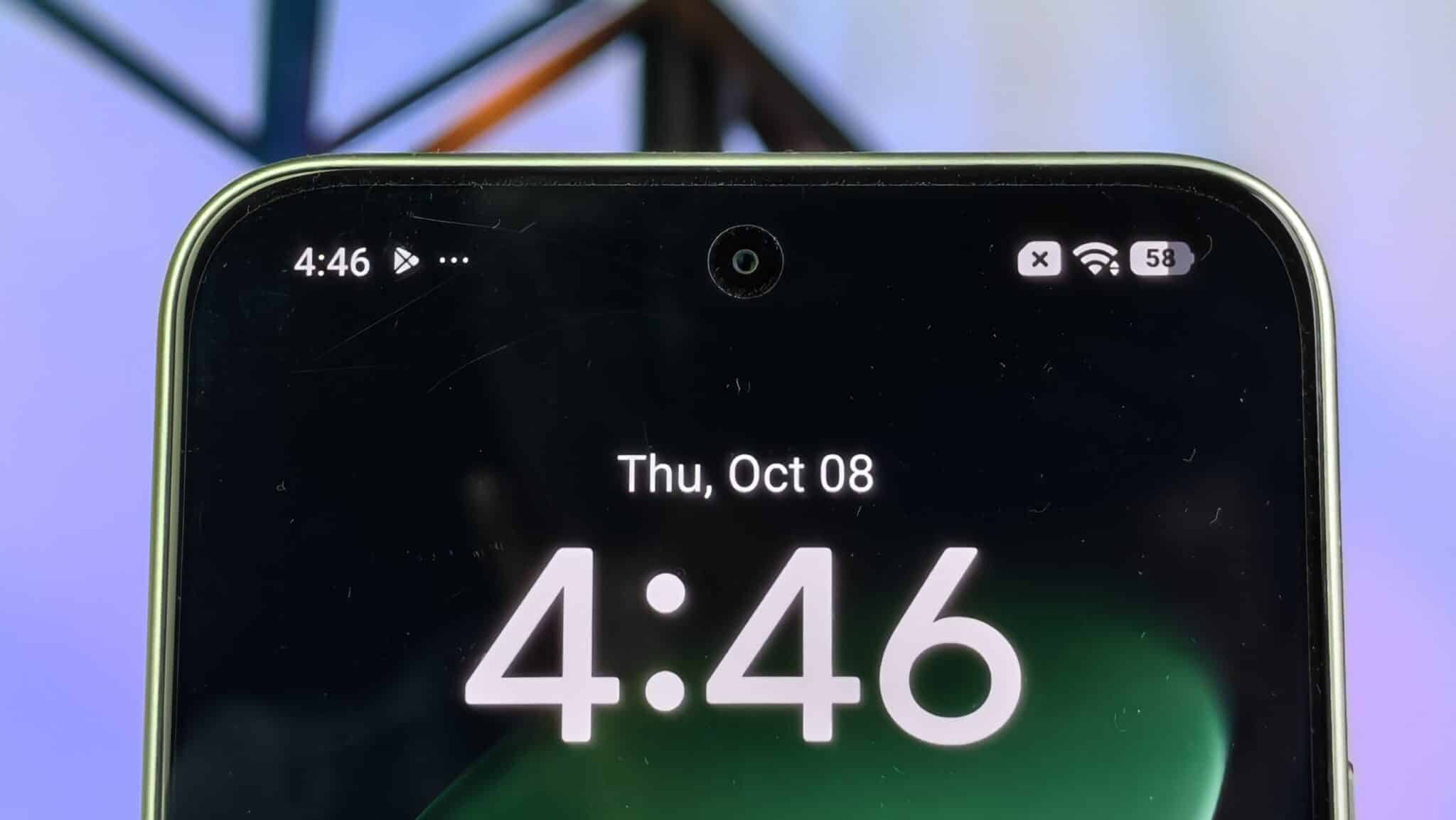
Video recording maxes out at 4K resolution at 30 frames per second on both front and rear shooters. Stabilization holds steady while walking, minimizing sudden jerks in pocket footage. The 32MP front camera produces clean portrait cutouts with natural background blur, though default beauty filters require manual tuning to avoid a smoothed skin effect. Underwater mode via future software updates hints at rugged outdoor use, though standard weather resistance handles dusty environments and minor splashes reliably.
Battery Life And Charging Speed
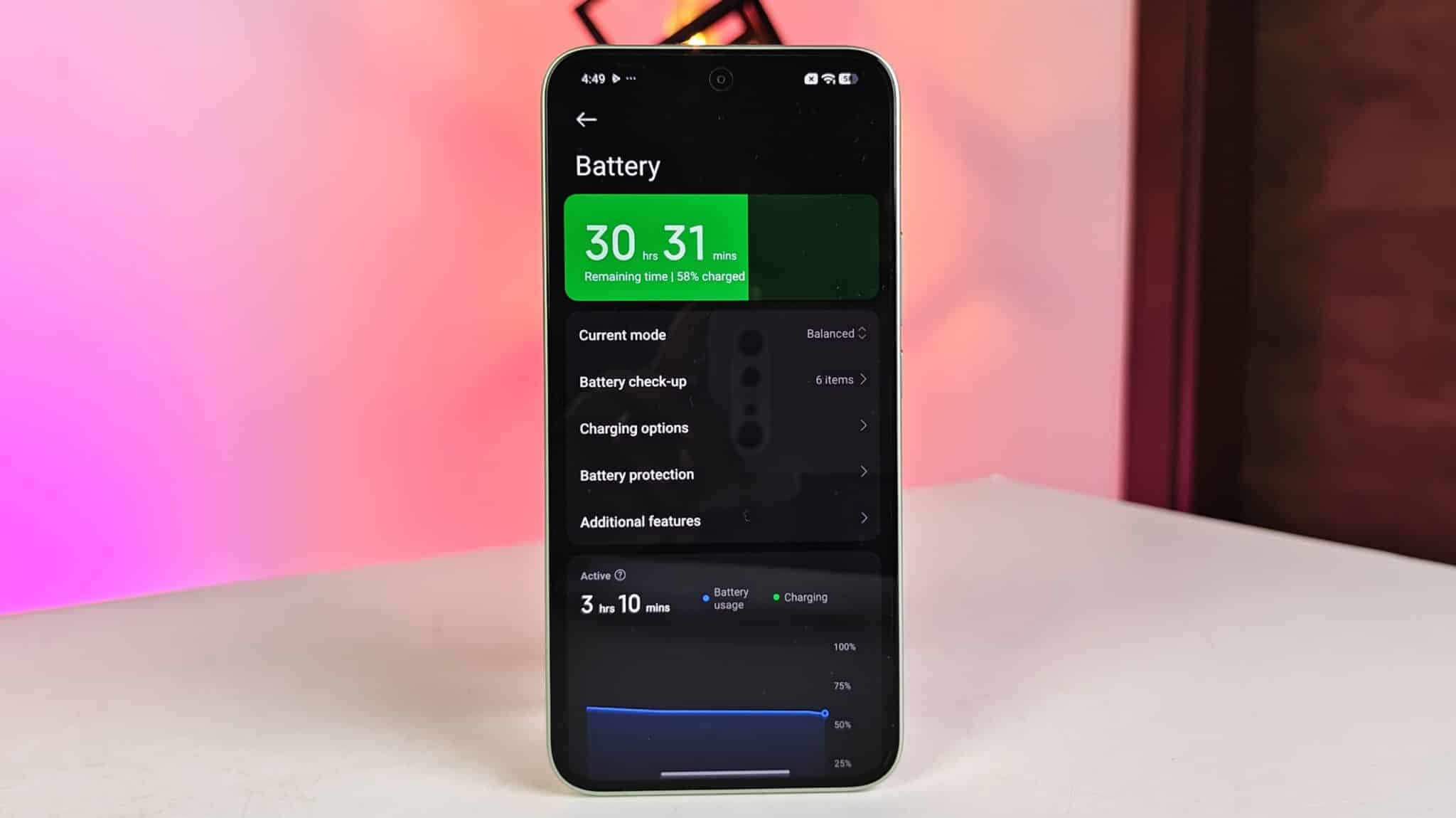
The defining characteristic of this hardware package sits inside the chassis as a 10000mAh silicon-carbon power source. Standard daily use involving four hours of screen time, constant messaging, cellular data usage, and music streaming leaves nearly sixty percent remaining by evening. Pushing the device through two full days of heavy navigation and hotspot sharing requires no trip to a wall outlet.
When the percentage finally drops low, the bundled 100W HyperCharge adapter replenishes the cell quickly. Plugging it in brings the level from zero to fifty percent in roughly thirty minutes, while a full top-up takes slightly under an hour. The inclusion of 27W wired reverse charging also lets this device function as an emergency power bank for wireless earbuds or secondary phones during long flights.
Product Specifications
- Dimensions: 163.44 mm height by 78.27 mm width by 8.65 mm thickness
- Weight: 229 grams
- Display: 6.83-inch flat AMOLED panel, 120Hz refresh rate
- Processor: Snapdragon 6 Gen 5 Platform built on a 4nm process
- Memory and Storage: 12GB LPDDR5X RAM and 256GB UFS 4.1 storage
- Rear Cameras: 50MP main sensor with OIS and f/1.5 aperture alongside an 8MP ultra-wide lens
- Front Camera: 32MP shooter with f/2.2 aperture
- Battery and Charging: 10000mAh battery with 100W HyperCharge and 27W wired reverse charging
- Software: Xiaomi HyperOS 3 running on Android 16
- Connectivity: 5G dual SIM support, Wi-Fi 6, Bluetooth 6.0, infrared blaster, and USB-C port
My Verdict
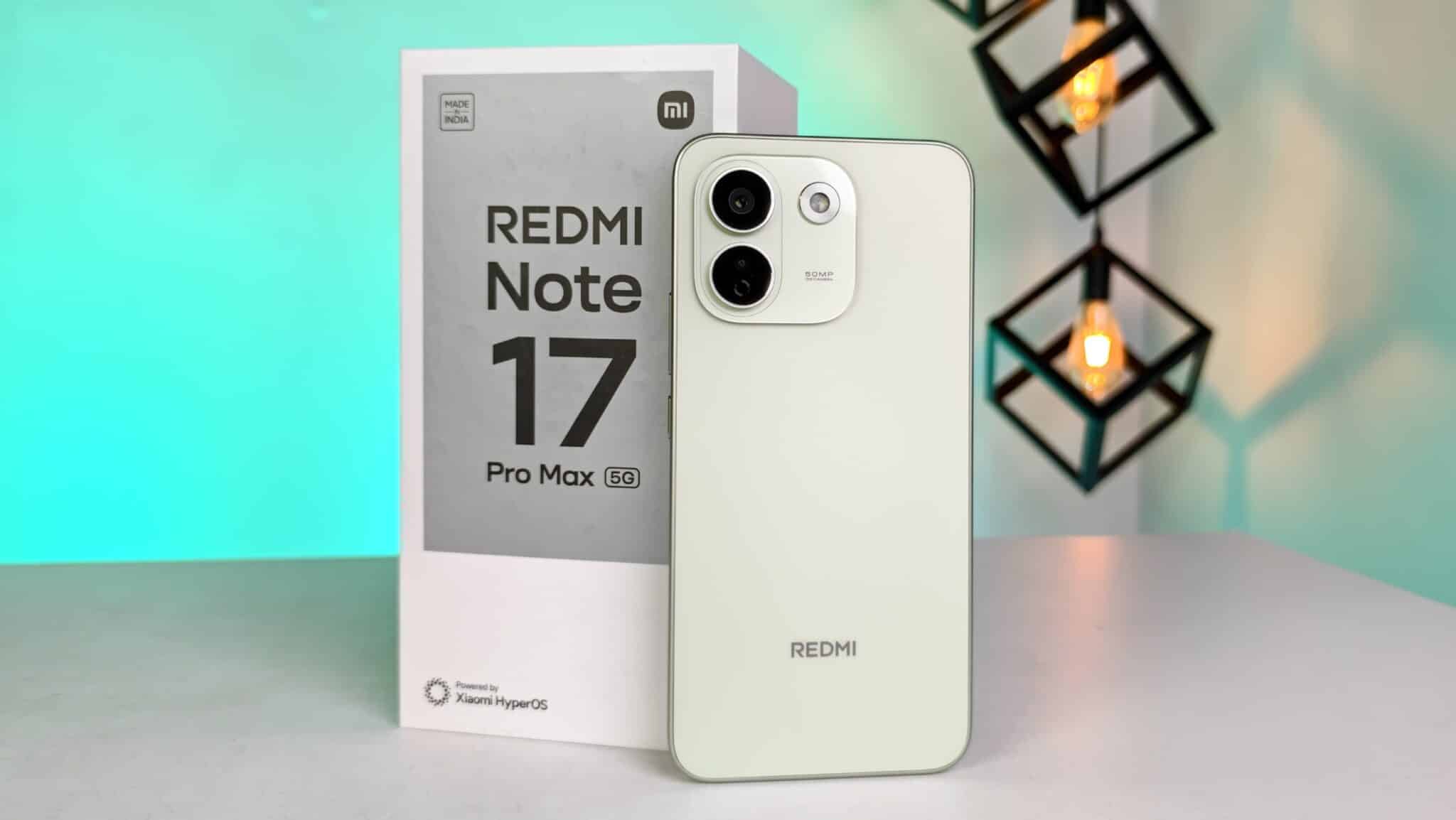
The Redmi Note 17 Pro Max trades slim aesthetics for pure utility, prioritizing multi-day battery endurance over lightweight comfort. Anyone tired of charging their smartphone every single evening will appreciate the capacity offered by the ten thousand milliamp-hour cell. While the heavy frame and mid-range gaming performance demand small compromises, the bright display, capable main camera, and rapid charging speeds justify the asking price for users prioritizing longevity above all else.
Frequently Asked Questions
Q1: Does the Redmi Note 17 Pro Max support wireless charging?
A1: No, wireless charging is absent from the feature set, but the device supports fast 100W wired charging via the included wall adapter.
Q2: What is the exact battery capacity of this smartphone?
A2: The device integrates a 10000mAh silicon-carbon battery designed to deliver extended multi-day usage.
Q3: Is expandable storage available through a microSD card slot?
A3: Storage expansion via a memory card is not supported, but the built-in 256GB storage capacity accommodates large media libraries.
Q4: Does the retail box include a charger in India?
A4: Yes, the box includes a compatible 100W charging brick along with a USB Type-C cable and a protective case.