

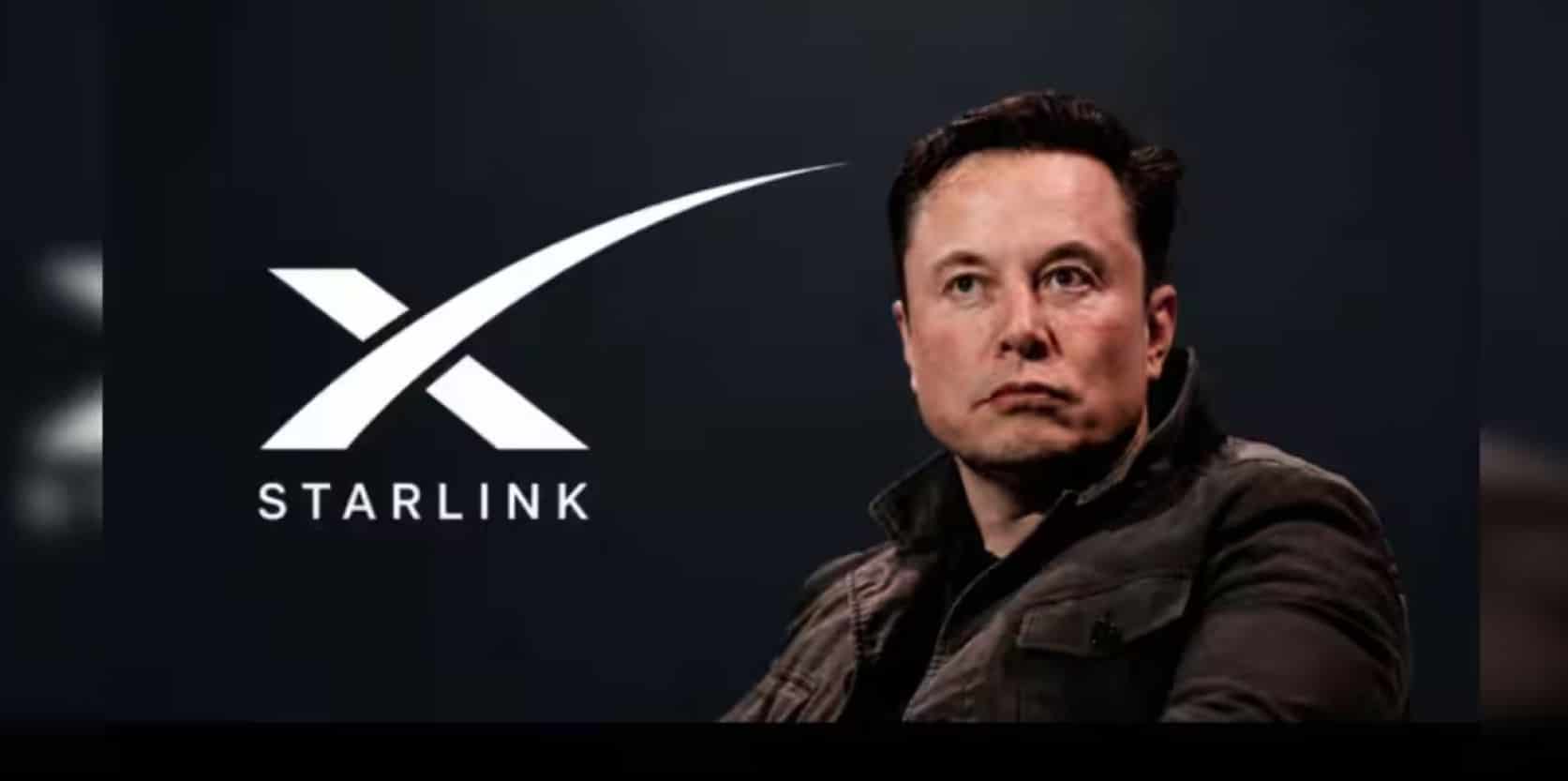
Elon Musk has publicly pitched Starlink satellite internet services to expand digital access across remote parts of India, stating that the platform can serve communities currently left behind by traditional telecom networks. Responding to connectivity statistics on social media platform X, the SpaceX founder stated that Starlink would assist the least served populations in the country, especially across village regions where physical cable and cell tower installations face physical hurdles.
Key Takeaways
- Over 11,000 listed villages across India still lack 4G mobile network coverage.
- Rural internet subscription density stands at 48.31 per 100 people, compared to 126.80 per 100 people in urban areas.
- SpaceX has submitted a fresh application to IN-SPACe for its Gen-2 satellite constellation.
- Starlink includes Direct-to-Device capabilities to connect mobile phones without ground equipment.
The Rural Connectivity Divide
Official telecommunications data reveals a wide gap between urban and rural internet access across India. The country recorded roughly 1.093 billion total internet subscriptions in early 2026, but rural regions accounted for only 440.87 million of that figure.
The central government has expanded physical broadband infrastructure through BharatNet, laying more than 850,000 route-kilometers of optical fiber. Even with over 221,000 Gram Panchayats classified as service-ready, operational Points of Presence exist in only about 80,472 village councils. Thick forests, hilly terrain, and high construction costs continue to delay cable installations across isolated pockets of the country.
Starlink Technology and Regulatory Status
Starlink is a satellite broadband constellation operated by SpaceX, an American aerospace manufacturer and space transportation company founded by Elon Musk. Unlike traditional satellites parked in high geostationary orbits 36,000 kilometers above the planet, Starlink operates a fleet in Low Earth Orbit at an altitude of roughly 550 kilometers. This proximity lowers transmission delays, delivering download speeds between 50 Mbps and 220 Mbps directly to compact user dishes.
SpaceX has submitted a revised proposal to the Indian National Space Promotion and Authorisation Centre, known as IN-SPACe. This single-window space regulatory agency previously cleared Starlink for its earlier Gen-1 satellite fleet but sought revisions on the Gen-2 network. The Gen-2 system adds Direct-to-Device technology, which lets standard smartphones communicate with orbiting satellites without needing a satellite dish or cellular base station nearby.
Starlink Vice President of Business Operations Lauren Dreyer stated that the company remains in active talks with Indian authorities to meet local operational, security, and spectrum allocation rules.
Frequently Asked Questions
Q1. What is Starlink satellite internet?
A1. Starlink is a low-Earth-orbit satellite network managed by SpaceX that beams high-speed broadband internet directly to dishes and compatible devices on the ground.
Q2. Why is Elon Musk proposing Starlink for Indian villages?
A2. Many remote areas in India lack mobile towers or fiber lines due to rough terrain, making satellite connectivity a practical alternative for rural users.
Q3. Has the Indian government approved Starlink for commercial launch?
A3. Starlink has received preliminary authorizations for its initial fleet but is waiting for final approvals, security checks, and spectrum assignments from the Department of Telecommunications and IN-SPACe.
Q4. What is Direct-to-Device satellite connectivity?
A4. Direct-to-Device is a satellite feature that connects standard mobile phones directly to satellites for voice, text, and data without relying on cellular towers.