

Artificial intelligence tools have become a standard requirement for 82% of Indian smartphone buyers, though core hardware elements like speed and battery life remain the top drivers for new purchases, according to the Amazon.in Best in Tech Survey. The study, conducted in July 2026 with more than 40,000 participants across consumer electronics categories, shows a clear shift toward mid-to-premium segments. About 42% of respondents are targeting the Rs 25,000 to Rs 50,000 price range, and 48% plan to buy their next device within three months.
Key Takeaways
- Contextual assistance is the most desired AI feature (25%), followed by generative photo editing (18%) and visual search (17%).
- Hardware basics still decide sales: 87% prioritize performance, 79% focus on battery backup, and 77% look for camera quality.
- Battery issues remain the top user complaint, with 22% wanting better battery life on their next device.
- Mid-range phones between Rs 25,000 and Rs 50,000 make up 42% of buyer interest, while 32% plan to spend above Rs 50,000.
- Customer reviews (47%) carry more weight than discount deals (35%) when finalizing a purchase.
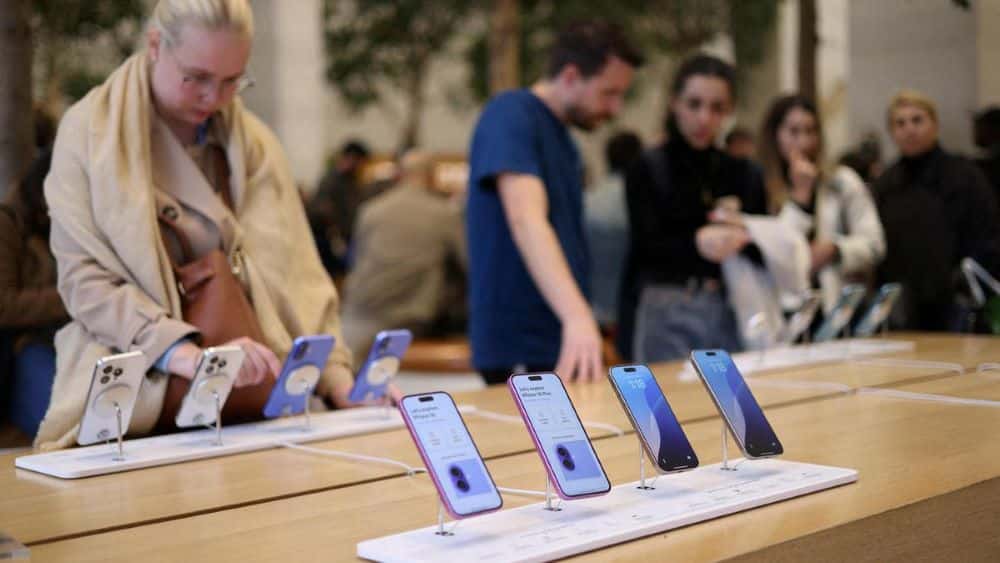
Buyer Preferences Shift Toward Everyday Assistance
Smartphone shoppers in India want practical software capabilities rather than promotional claims. The data shows 25% of users prefer contextual assistance tools that recognize current screen activity and offer immediate actions, such as quick replies or instant lookups. Photo editing using AI tools grabbed 18% of interest, while visual search tools accounted for 17%. Adaptive battery management followed at 11%, showing that software-managed battery use is a major priority for daily phone users.
Zeba Khan, Director of Consumer Electronics at Amazon India, stated that customer expectations have matured. Buyers now view AI as an everyday requirement while still demanding strong performance, long battery life, and capable cameras, with many willing to spend more for balanced hardware.
Hardware Needs and Price Trends
Daily performance and speed lead purchase considerations at 87%, followed by battery endurance at 79% and camera output at 77%. Battery life is also the top pain point, with 22% of users listing it as the main flaw in their current device.
Spending patterns indicate that buyers are moving away from budget segments. Only 7% plan to spend under Rs 15,000, while 19% are looking at the Rs 15,000 to Rs 25,000 bracket. The Rs 25,000 to Rs 50,000 category holds 42% of total interest, split evenly at 21% each between the Rs 25,000 to Rs 35,000 and Rs 35,000 to Rs 50,000 brackets. Premium demand is also steady: 15% are eyeing devices between Rs 50,000 and Rs 75,000, and 17% want phones priced above Rs 75,000. This interest in premium devices extends across the country, making up 18% in metro cities, 17% in Tier-2 locations, and 15% in Tier-3 towns.
Customer research habits reveal that 47% rely on product reviews and ratings, whereas 35% focus on discount promotions. In addition, 54% hold onto their devices for two years or longer before upgrading.
The survey data sets the criteria for the upcoming Best in Tech Awards returning in September 2026.
Frequently Asked Questions
Q1. What is the most popular smartphone price segment in India according to the survey?
A1. The Rs 25,000 to Rs 50,000 price range is the most popular, chosen by 42% of surveyed buyers.
Q2. Which AI features do Indian consumers prefer the most?
A2. Contextual on-screen assistance is the most popular at 25%, followed by generative photo editing at 18% and visual search at 17%.
Q3. What is the biggest hardware complaint users have with current phones?
A3. Battery life is the top issue, with 22% of respondents stating their current phone needs better battery performance.
Q4. Do buyers prefer discounts or reviews when purchasing smartphones?
A4. Customer reviews and ratings carry more weight, with 47% of buyers prioritizing them over discounts and deals (35%).