

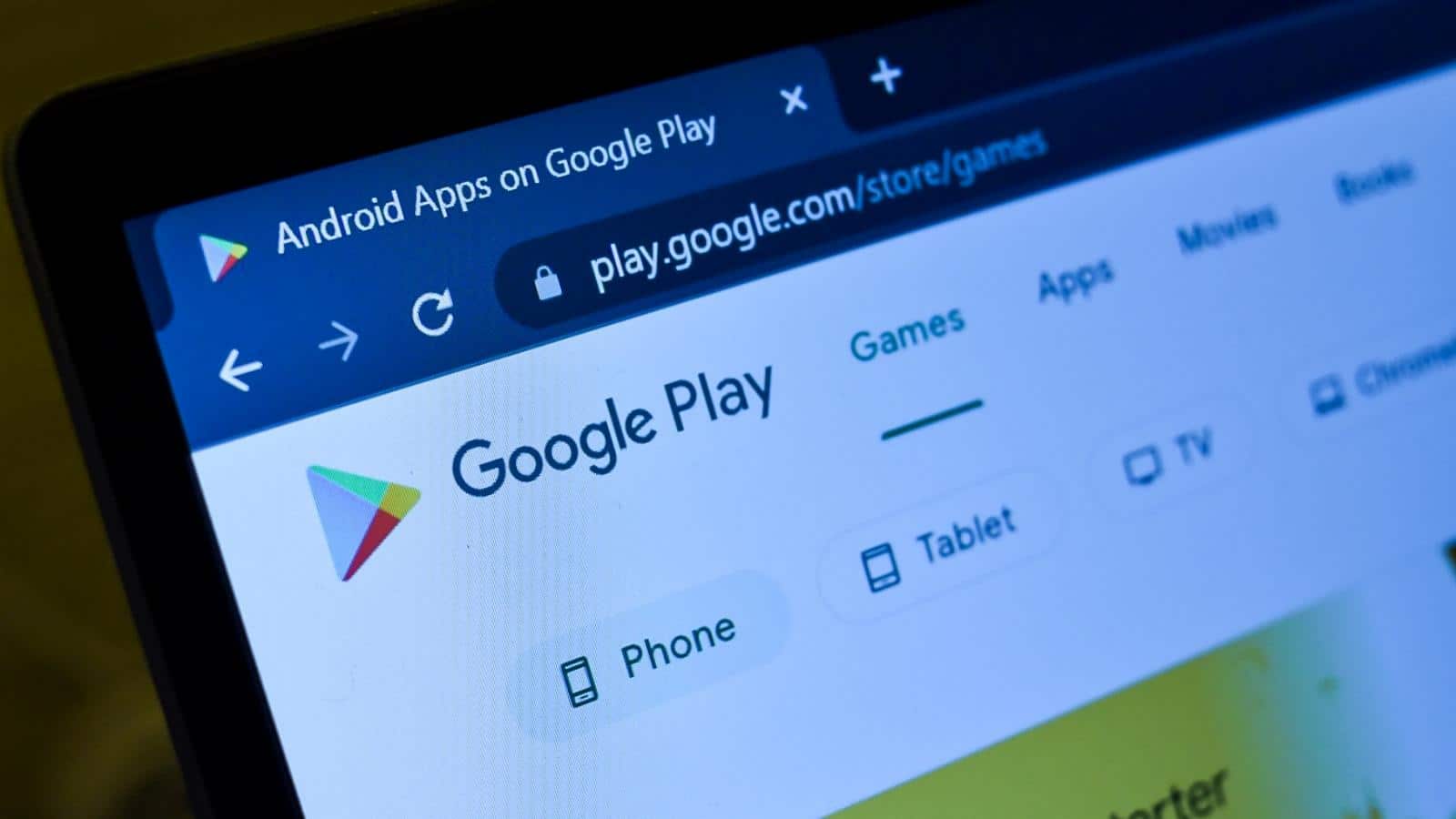
Google will allow third-party app marketplaces directly inside its mobile application ecosystem starting next week, concluding a highly publicized five-year legal dispute with Epic Games. The Alphabet-owned search provider confirmed in a California federal court filing that it has withdrawn its request to modify an earlier antitrust injunction. By abandoning the prolonged legal battle, Google must comply with the original October 2024 judicial directive ordering the technology firm to open its proprietary Google Play Store to rival digital storefronts within the United States. The systemic shifting of access takes effect on July 22, 2026, marking a significant adjustment to how software distribution operates on the Android operating platform.
Key Takeaways
- Google will distribute rival third-party app stores directly inside the U.S. Google Play Store starting July 22, 2026.
- The decision follows the withdrawal of a joint settlement proposal between Google and Epic Games, the developer of Fortnite.
- App developers will have their catalogs automatically shared with alternative stores unless they explicitly opt out.
- Google will charge third-party storefront operators a $5,000 annual fee for security and policy reviews.
- Transactions processed via alternative marketplaces will still utilize Google Play systems and incur standard service fees.
The policy shift traces back to 2020 when Epic Games, the developer behind Fortnite, sued Google. Epic Games alleged that the tech giant maintained an illegal monopoly by forcing developers to use the Google Play billing system and restricting alternative software channels. A federal jury ruled against Google in late 2023, prompting U.S. District Judge James Donato to issue a permanent injunction mandating broader ecosystem access. While Google initially attempted to implement a “Registered App Stores” program that required users to download alternative stores via external websites, the court signaled resistance to that plan. Court-appointed experts argued that forcing users to leave the main storefront created unnecessary user friction, prompting Google to fully open the Play Store instead.
Under the framework of the new Play Catalog Access Program, alternative marketplaces can display the entire U.S. Google Play library of applications and mobile games. Google is automatically making existing developer listings available to these competing stores. However, strict operational guardrails remain in place. To qualify for hosting within the Play Store, alternative storefronts must pay an annual $5,000 fee to cover ongoing security reviews. Furthermore, these platforms must maintain a malware infection rate under 1%, offer non-discriminatory developer terms, and limit their distribution strictly to users located within the United States.
Google spokesperson Dan Jackson stated that withdrawing the legal modification helps the company avoid ongoing ecosystem uncertainty. The company noted it plans to focus on evolving its global business model to deliver greater store choice while maintaining Android security infrastructure. Concurrently, Epic Games chief executive officer Tim Sweeney expressed optimism publicly, questioning when competing mobile operating systems would implement similar structural changes to permit open marketplace competition.
Frequently Asked Questions
Q1. When will third-party app stores become available inside the Google Play Store?
A1. Rival digital storefronts will officially gain access to the U.S. Google Play Store on July 22, 2026.
Q2. Can Android users outside the United States access these new third-party stores?
A2. No. The current court order forcing Google to host competing app stores inside the Play Store applies exclusively to users and developers based in the United States.
Q3. Will apps downloaded from alternative stores still pay fees to Google?
A3. Yes. Software downloads originating from alternative stores will still use the underlying Google Play execution framework, and Google will continue to collect its standard service fees on those specific transactions.
Q4. What requirements must an alternative store meet to get listed?
A4. Storefront operators must pay a $5,000 annual security fee, maintain clear trust and safety guidelines, restrict distribution to the U.S., and ensure that less than 1% of their installation attempts contain malware.
Q5. Can developers prevent their apps from appearing on these new third-party storefronts?
A5. Yes. While Google will automatically share U.S. app and game catalogs with eligible third-party marketplaces by default, individual developers retain the right to explicitly opt out of the distribution program.