
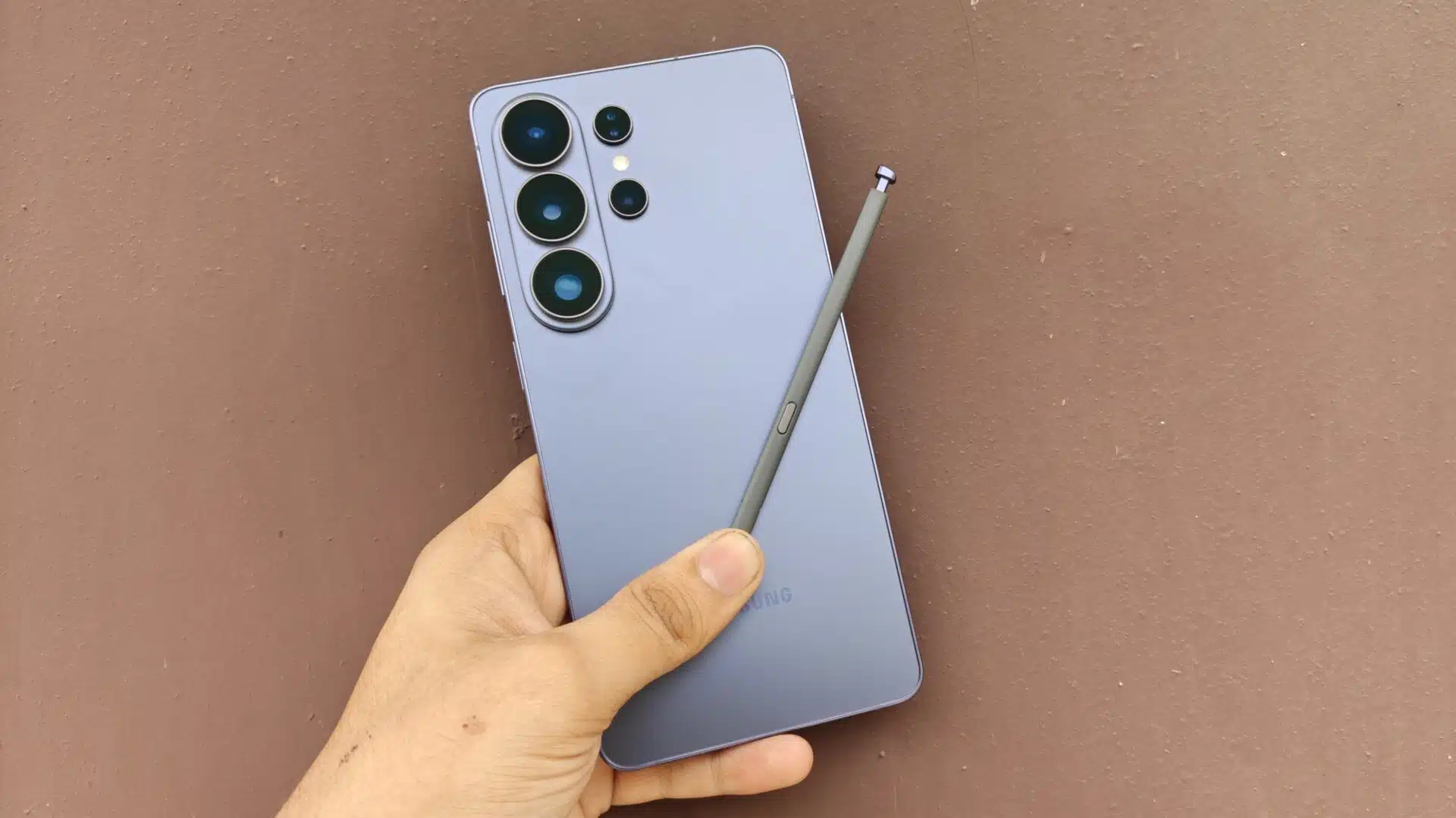
I have spent the last few weeks using the Samsung Galaxy S26 Ultra as my primary device to see if the internal changes justify the premium price tag. My unit is the Cobalt Violet variant with 12 GB of RAM and 256 GB of storage, priced at ₹1,39,999 in India. Samsung has made some significant adjustments this year, particularly in the weight and screen technology, moving away from the heavier builds of previous generations. Using this phone daily in the bright March sun of Delhi revealed how much of a difference the new display tech makes for privacy and visibility.
- Key Takeaways
- Design and Slimmer Profile in Cobalt Violet
- Display and the Privacy Shield
- Performance
- Camera Quality and Low Light Improvements
- Software and Agentic AI
- Battery Life and Faster Charging
- Audio and Haptics
- Network and Connectivity
- Samsung Galaxy S26 Ultra Specifications
- Verdict
- Frequently Asked Questions
Key Takeaways
- The new Snapdragon 8 Elite Gen 5 processor offers a 19% boost in CPU speed.
- At 214 grams, the phone is noticeably lighter and easier to hold than the S25 Ultra.
- The 6.9-inch display includes a new Flex Magic Pixel privacy feature.
- Wired charging has finally been upgraded to 60W, a much requested change.
- The main 200MP camera now has a wider f/1.4 aperture for better low-light shots.
- Software support is guaranteed for seven years, lasting until 2033.
Design and Slimmer Profile in Cobalt Violet
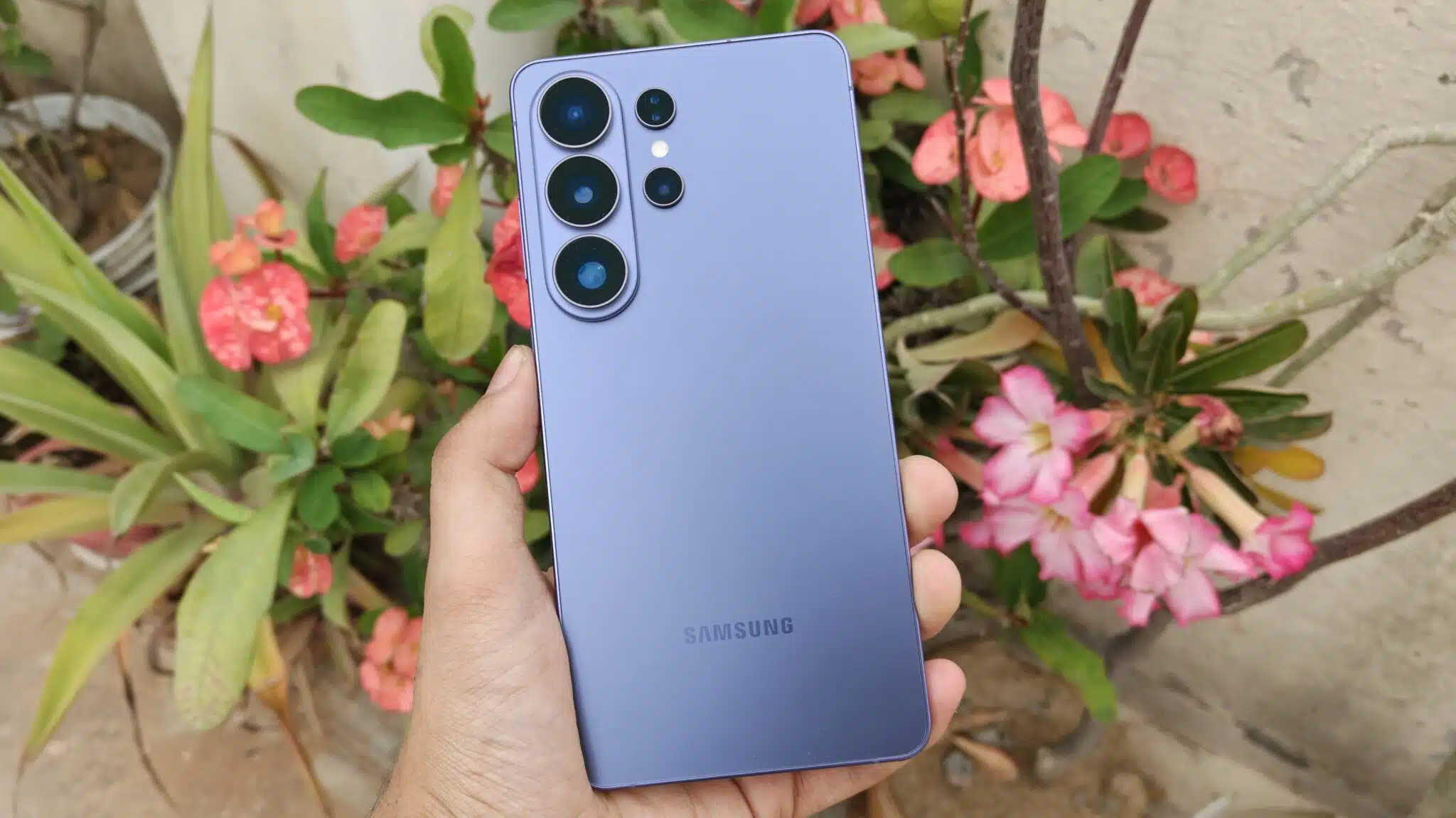
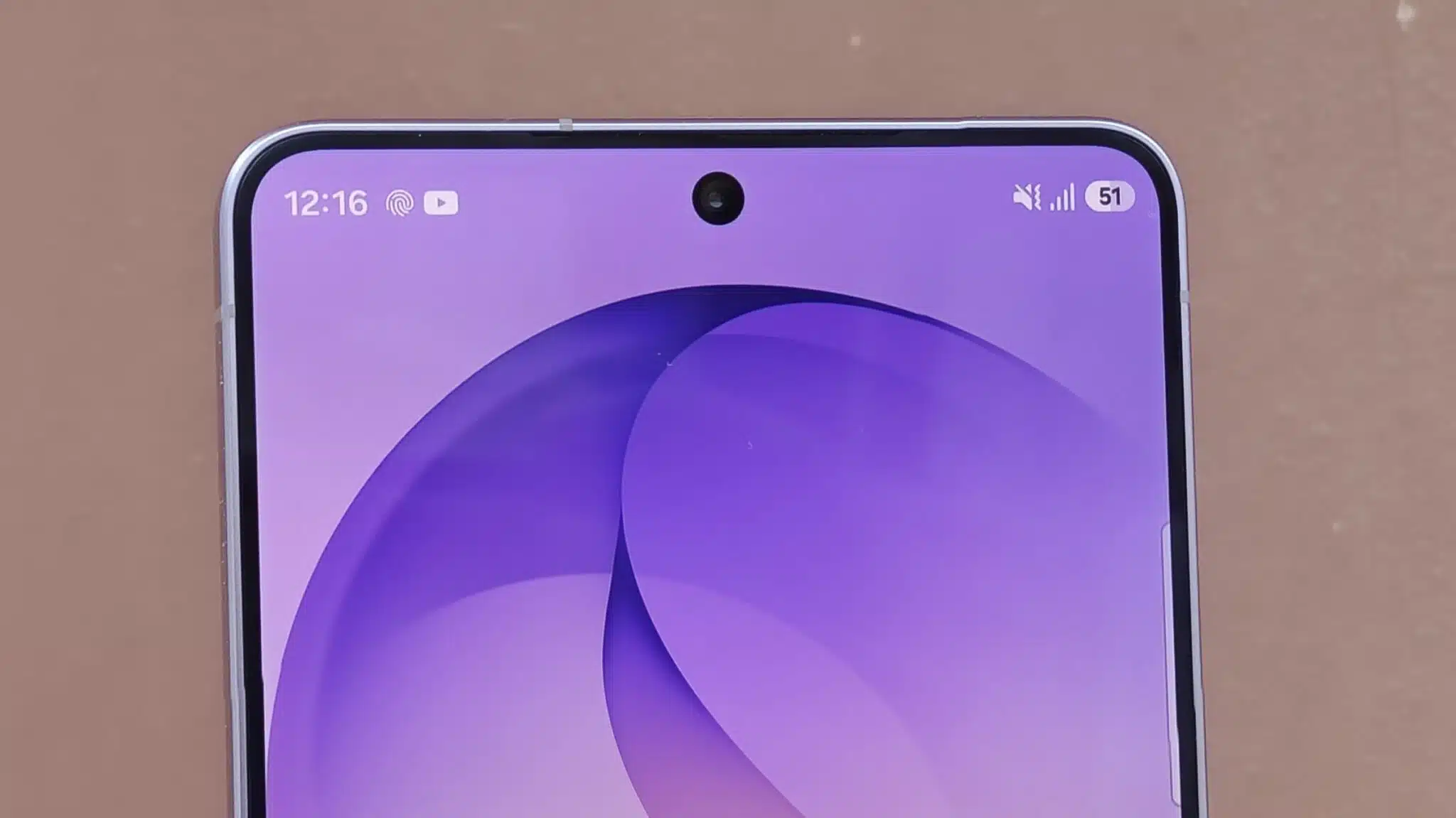
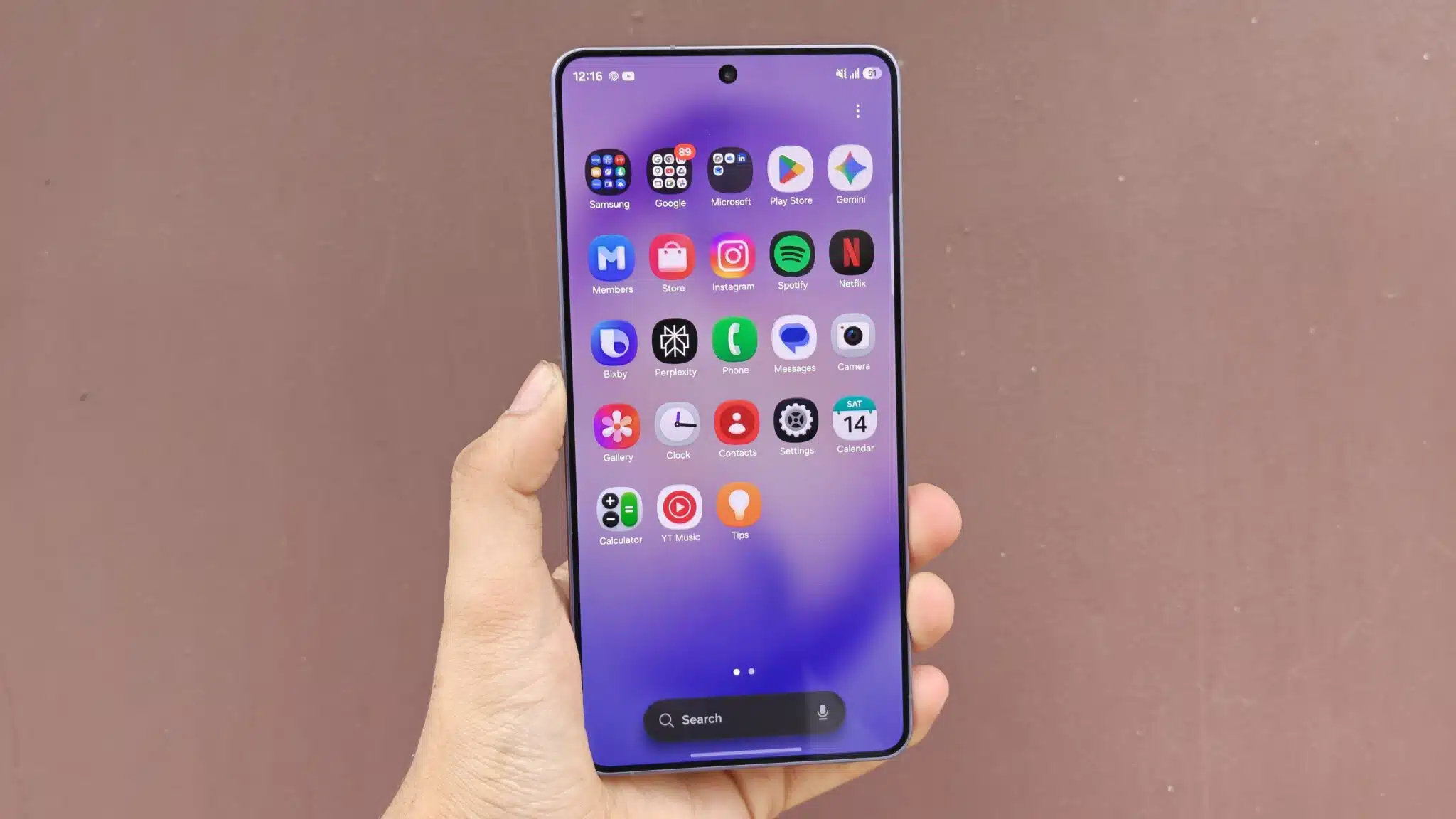
This time, Samsung has switched the Galaxy S26 Ultra from a titanium frame to an aluminum frame. Samsung managed to reduce the weight to 214 grams. This is a 4-gram drop from last year, but because the phone is also thinner at 7.9 mm, it feels much less bulky in a pocket. The Cobalt Violet color is a deep, sophisticated shade of purple. It has a matte texture that feels smooth to the touch and effectively hides the oils from my skin.
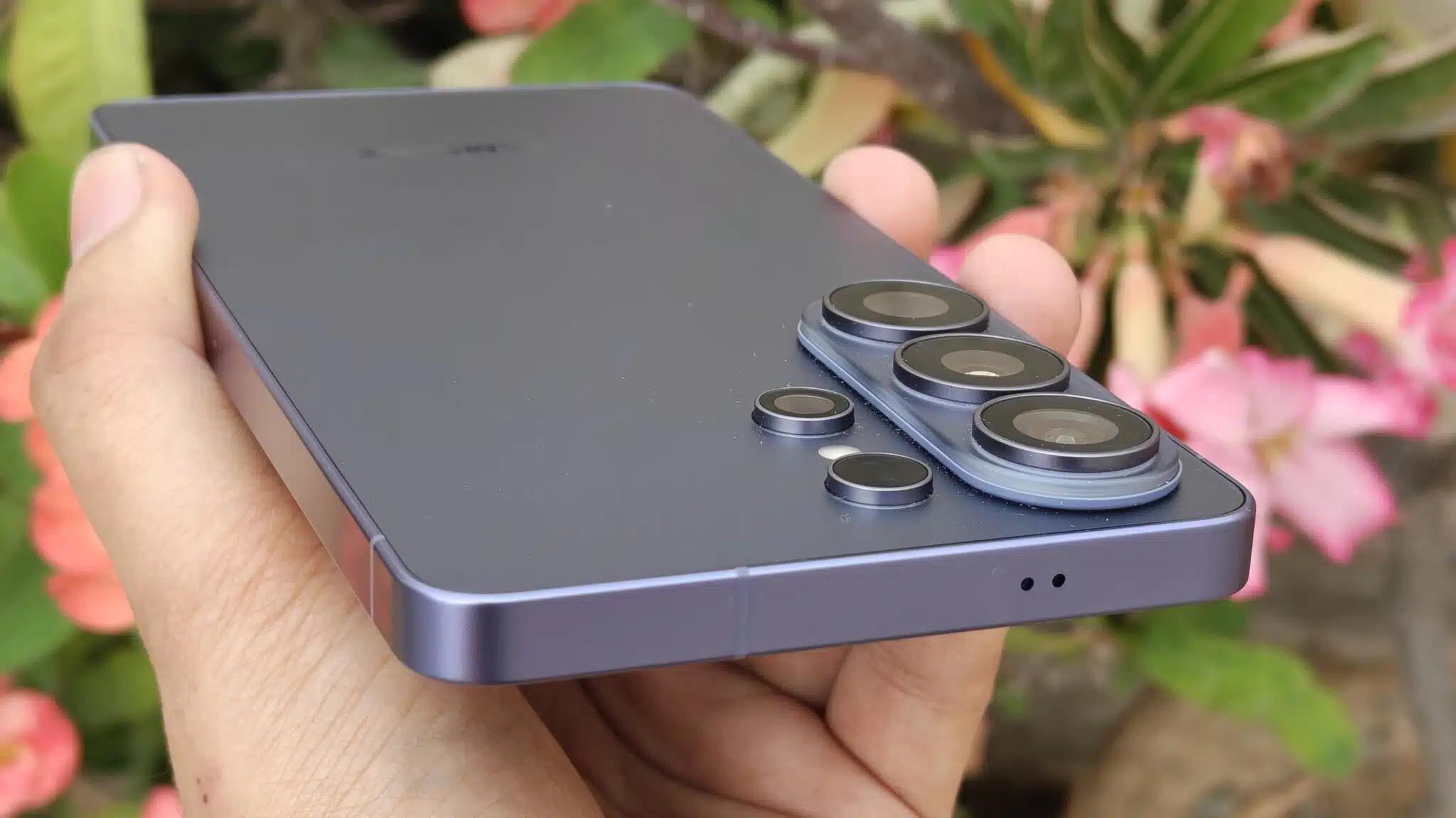
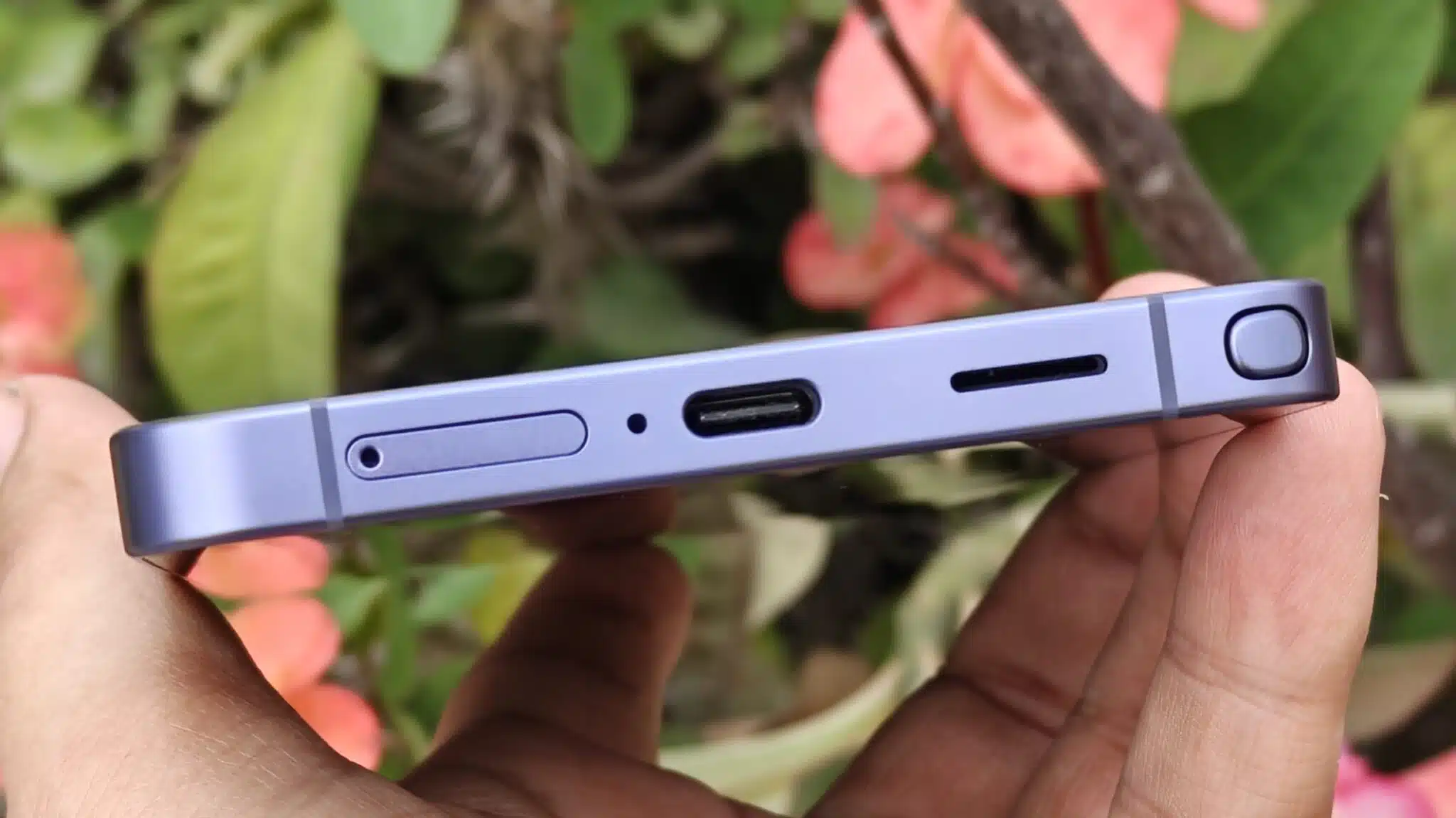
I noticed the corners are slightly more rounded than before. This small change prevents the phone from digging into my palm during long sessions of reading or browsing. The build is IP68 rated, so I did not worry when I got caught in a light drizzle. The S Pen is still housed at the bottom left, though the internal Bluetooth LE functionality is still removed, meaning you cannot use it as a remote camera shutter anymore. This is a step back for those who used Air Actions, but for regular writing and sketching, the experience remains excellent. Since this phone has more rounded corners compared to the previous Ultras, you need to be careful while inserting it correctly.
Display and the Privacy Shield
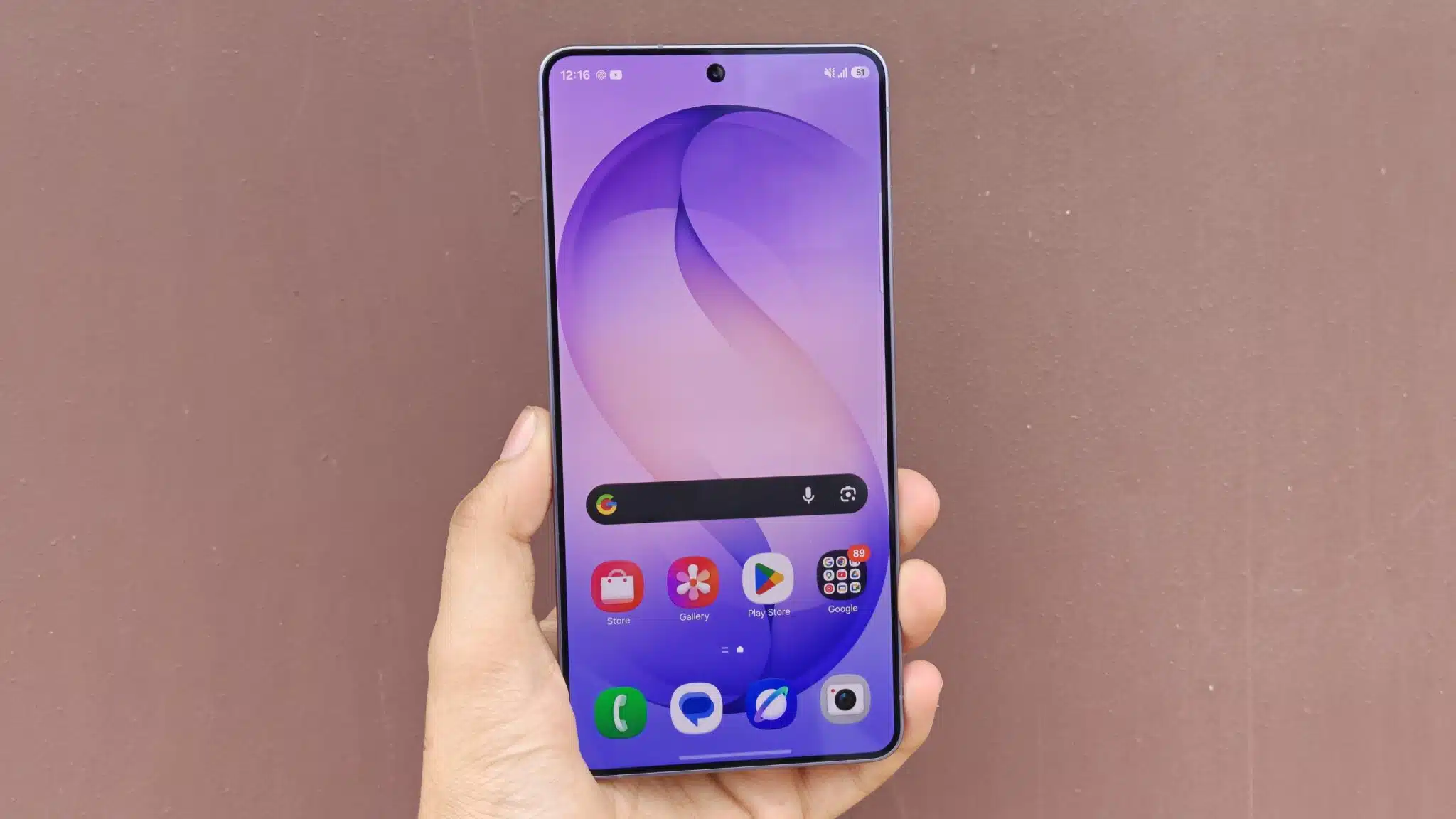
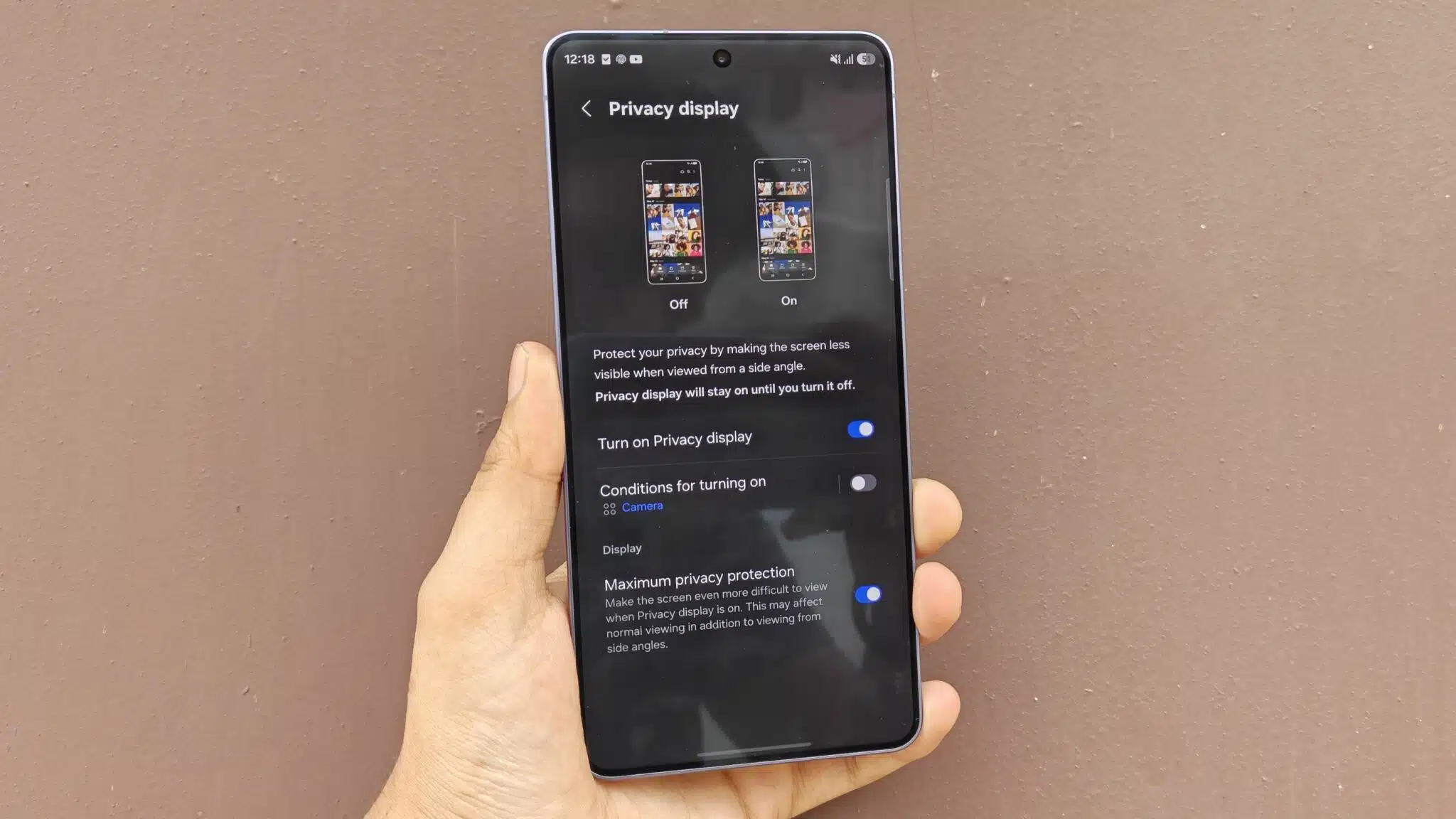
The screen has grown slightly to 6.9 inches. It is a massive, beautiful panel with a QHD+ resolution of 3120 x 1440. What truly sets this apart is the new Privacy Display feature powered by Flex Magic Pixel technology. While sitting in a crowded metro, I could turn this on to prevent people next to me from seeing my messages. It works by narrowing the viewing angle, so the screen looks dark from the side.
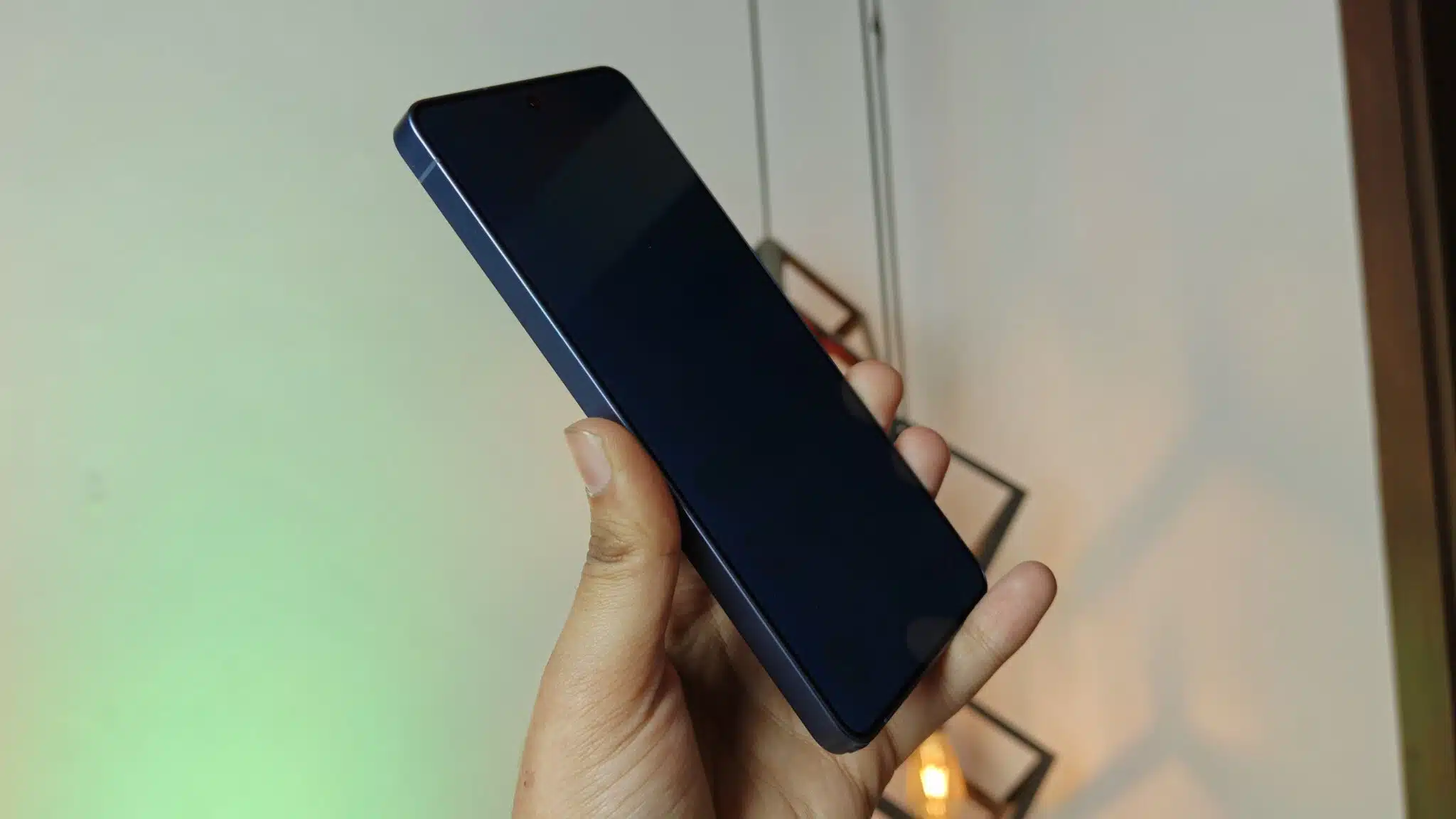
The peak brightness reaches 3000 nits. This is incredibly bright. Even under the harsh midday sun, the colors do not wash out. Samsung used Gorilla Glass Armor 2 on the front, which continues to be the best in the industry at reducing reflections, though it is not as anti-reflective as the Galaxy S25 Ultra’s display. I could still read white text on a black background without seeing my own face reflected in the glass. The 120Hz refresh rate makes every interaction feel immediate. Whether I was flicking through my emails or playing a fast game, there was no ghosting or stuttering. The display is still an 8-bit panel but with some software optimization, the color reproduction is superior compared to the previous generation Galaxy S25 Ultra but it’s high time Samsung should bring the native 10-bit panel in the next gen Ultra device.
Performance
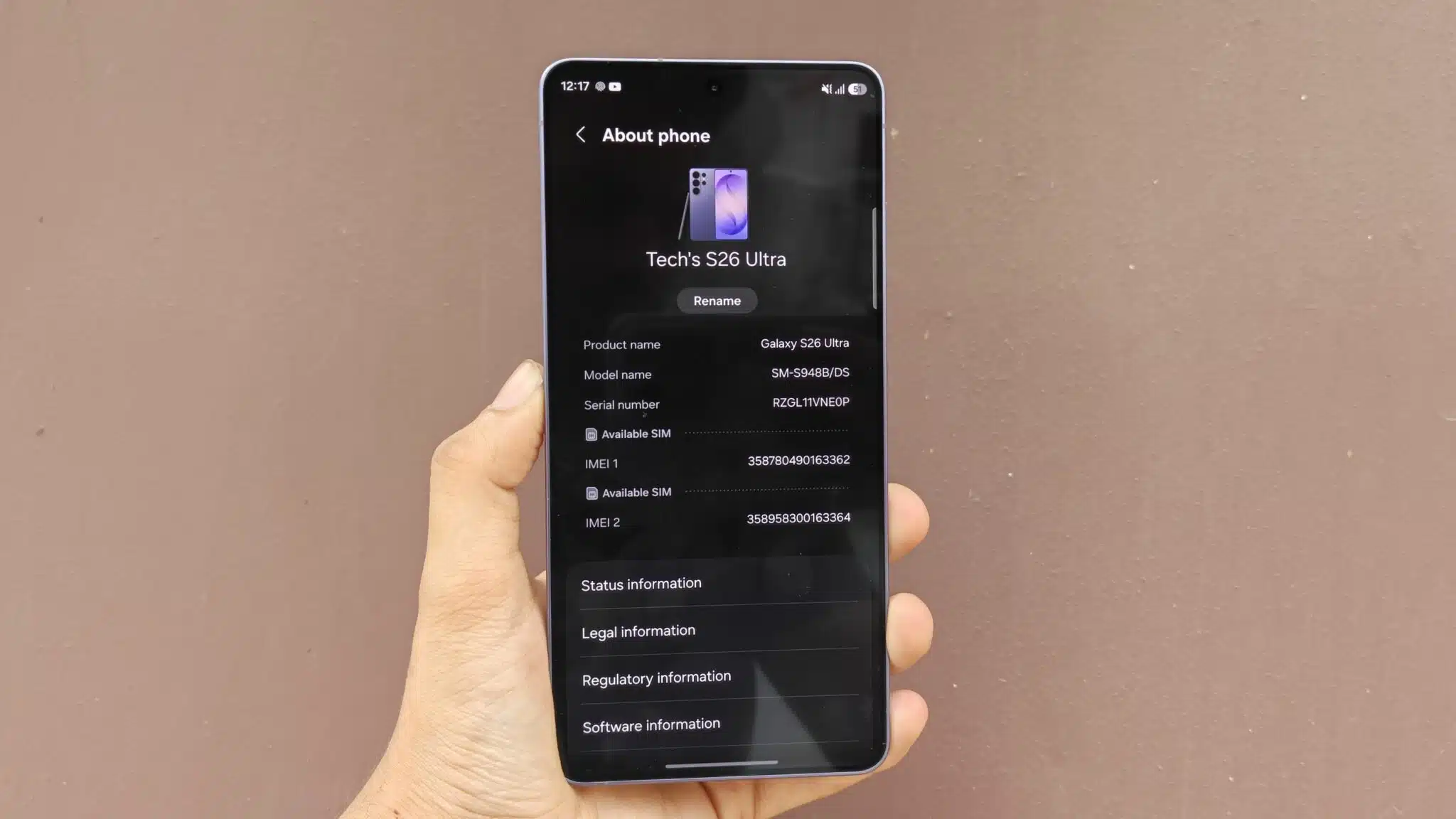
The heart of the phone is the Snapdragon 8 Elite Gen 5 for Galaxy. This is an overclocked version of the standard chip. In my testing, the phone handled everything without breaking a sweat. I ran several video editing tasks in 4K, and the rendering times were shorter than any other Android phone I have used. The 12 GB of RAM in my unit was more than enough to keep my work apps, social media, and a heavy game like Genshin Impact running in the background.
The cooling system has been upgraded with a larger vapor chamber. During a forty-minute gaming session, the phone stayed cool to the touch. I did not experience the thermal throttling that sometimes happens with high end processors. The NPU is also much faster now, which helps with the on-device AI features. Things like real-time translation and photo editing happen almost instantly without needing to send data to the cloud.
Camera Quality and Low Light Improvements
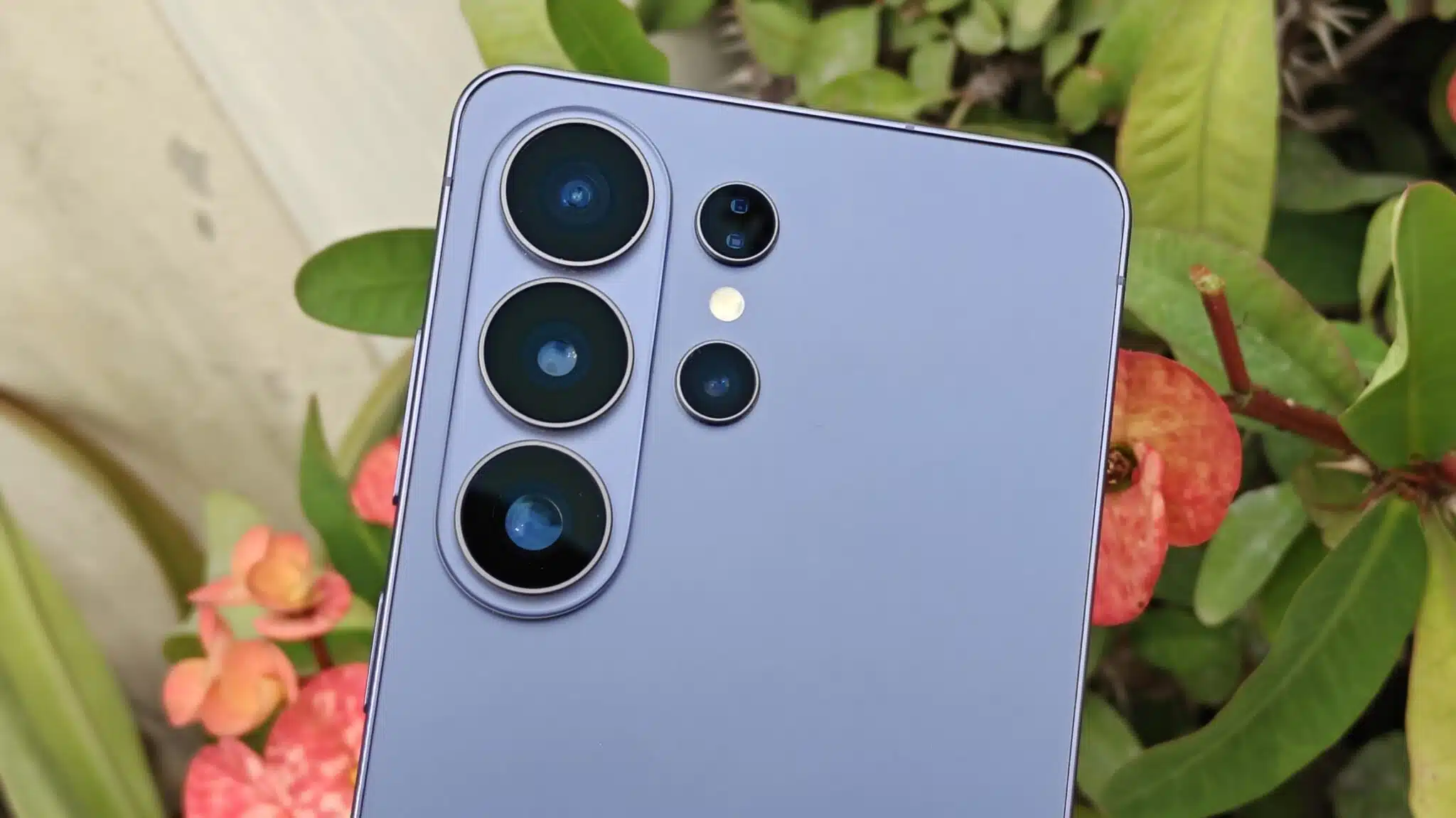
Samsung has stuck with a 200MP main sensor, but they changed the lens to a wider f/1.4 aperture. This allows the camera to capture nearly 47% more light than the previous model. I took the phone out for a random walk in Delhi, and the results were impressive. The camera captures more detail in the shadows without making the whole image look artificially bright.

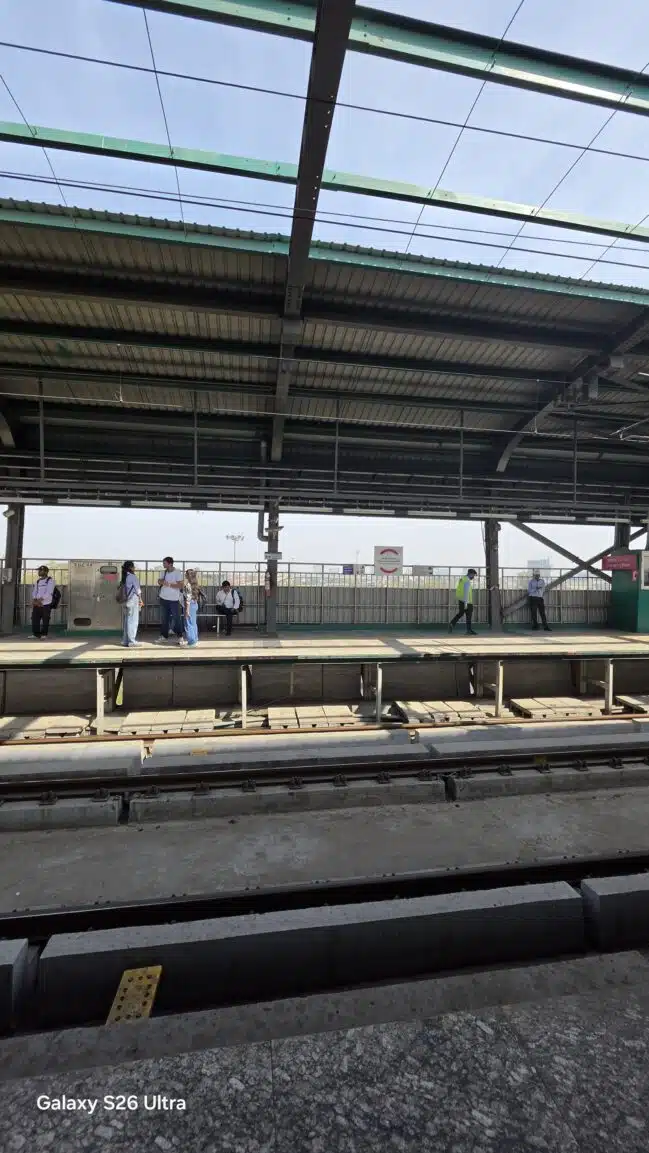
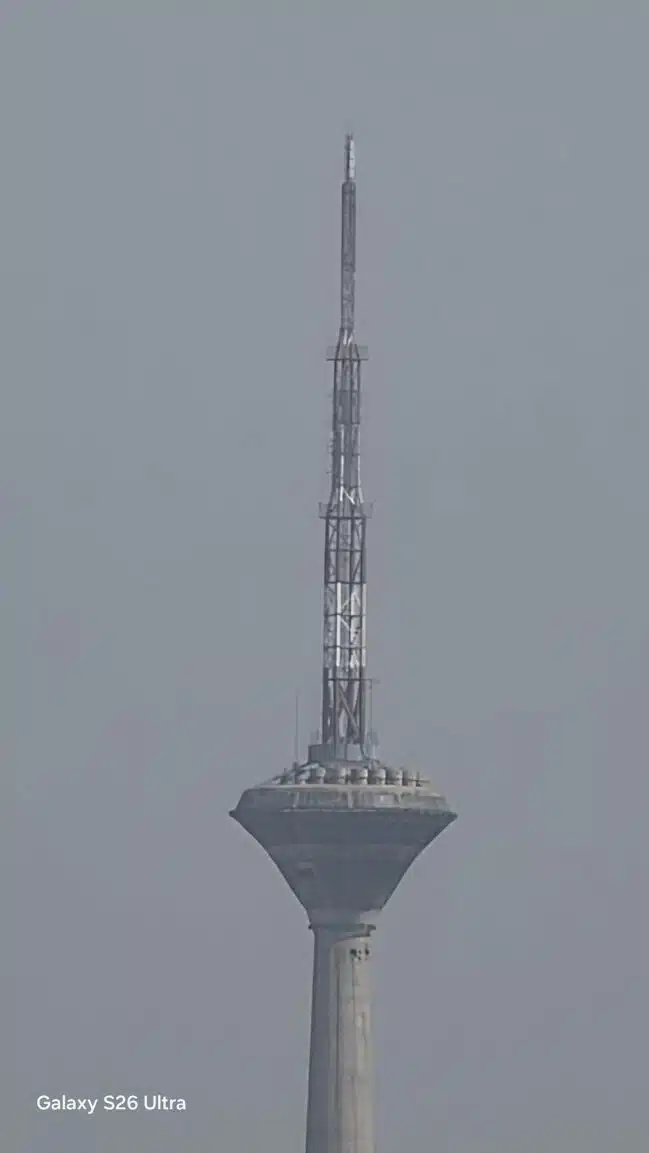
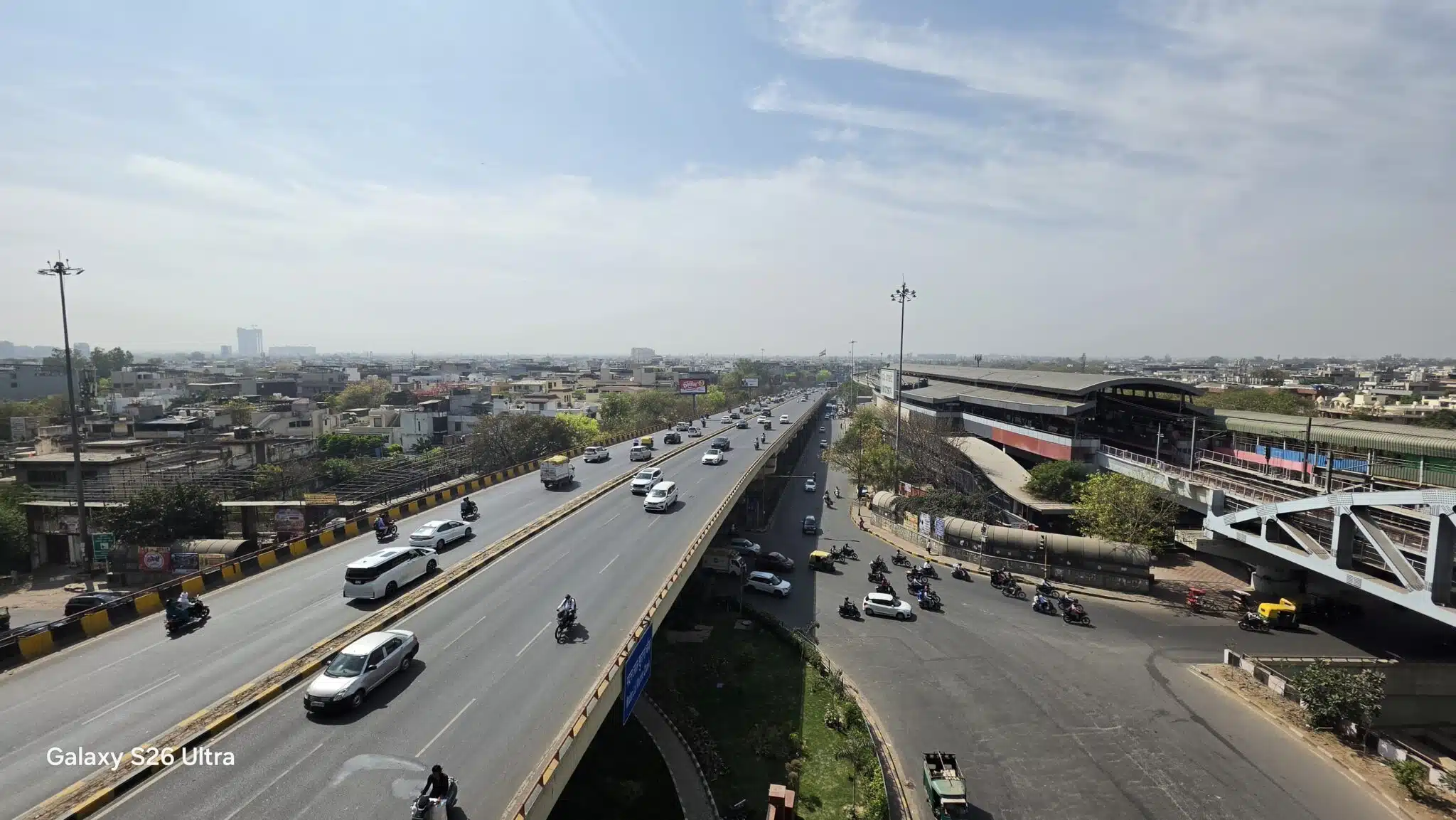
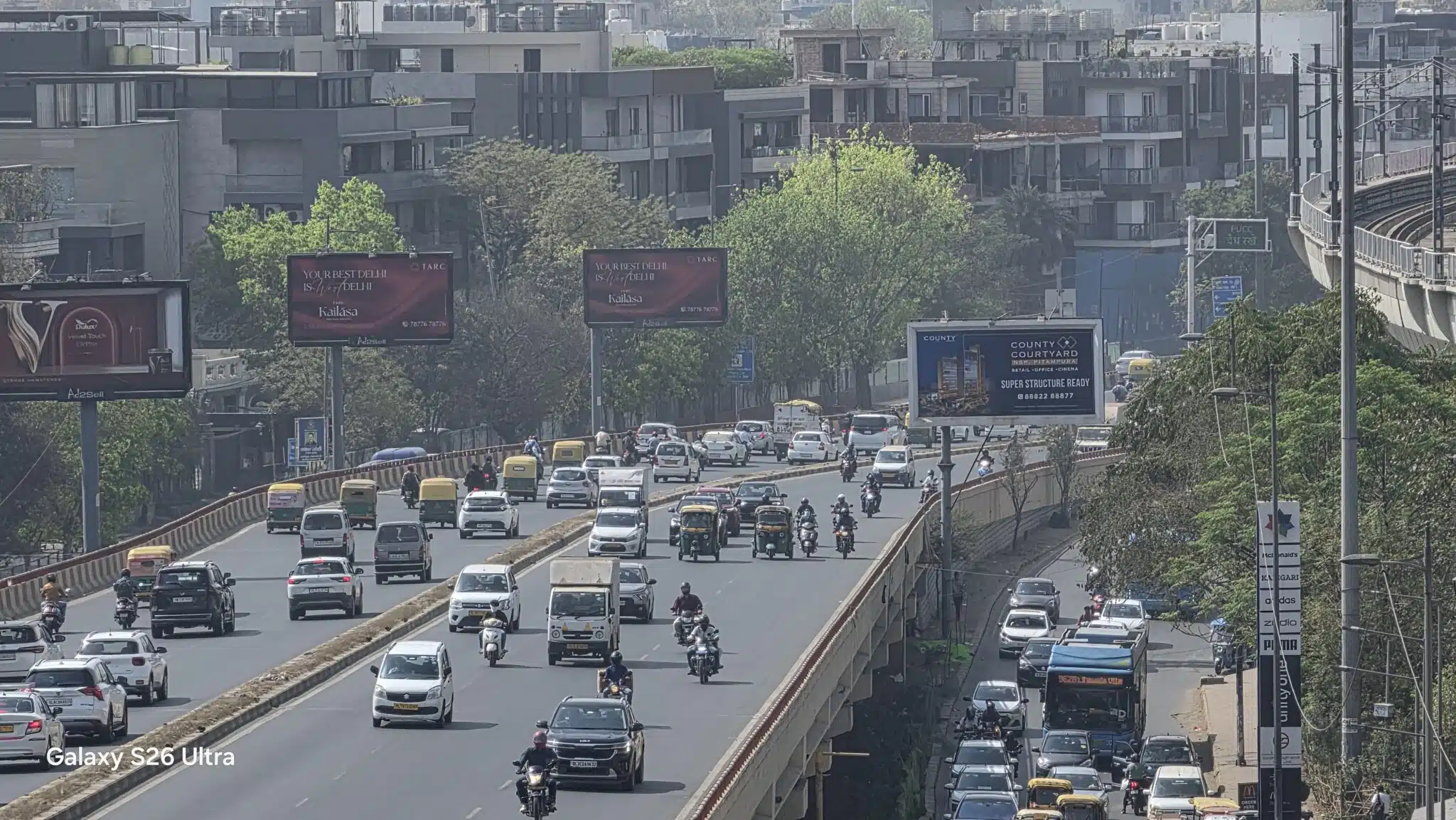



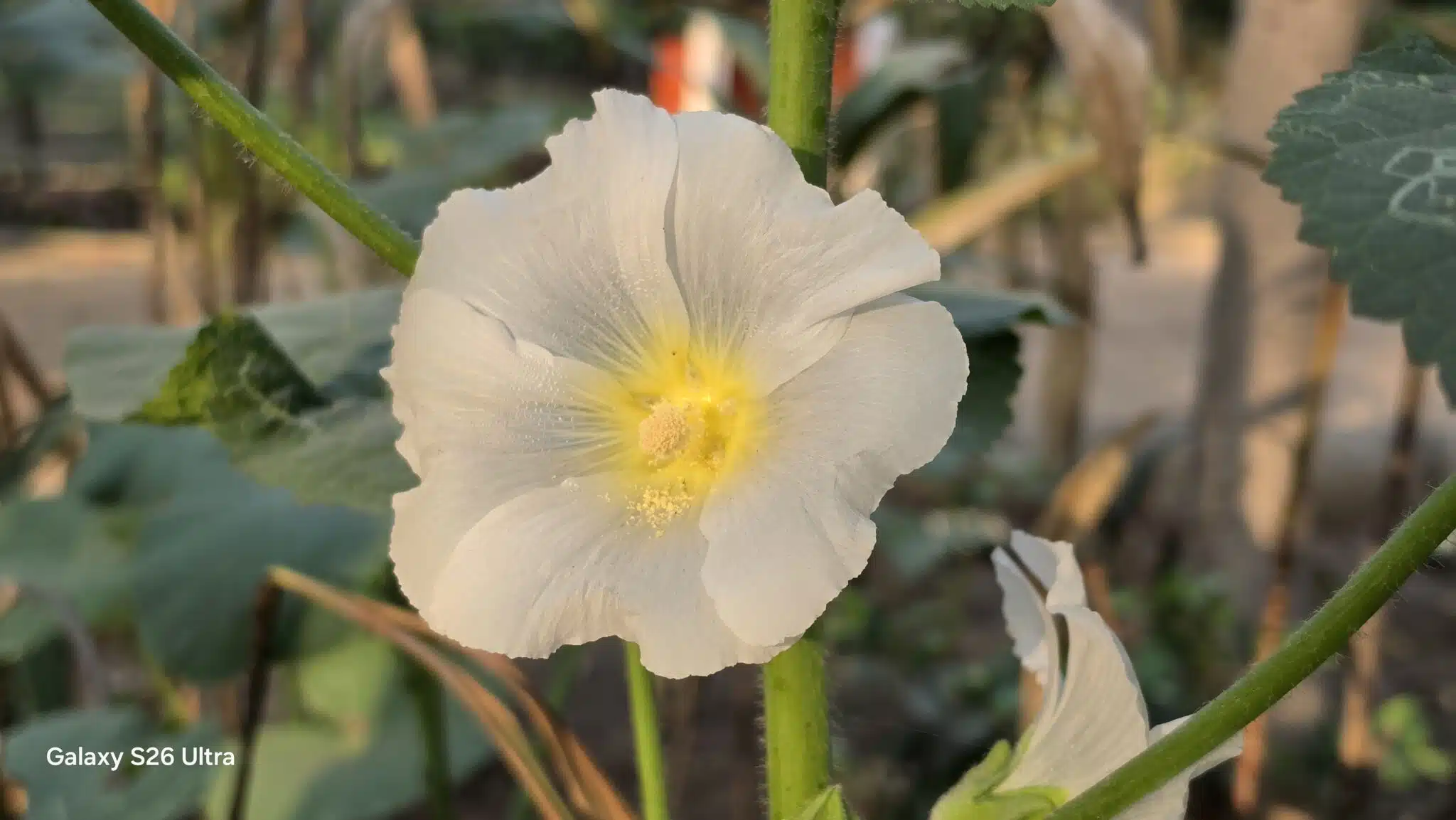
The zoom system is very versatile. You get a 3x telephoto for portraits and a 5x periscope for long distance. Both have 50MP sensors now, except for the 3x which stays at 10MP. The 5x zoom is sharp enough that I could read street signs from a long distance. The ultra-wide camera has been bumped up to 50MP, which is a great upgrade. It allows for much better detail in wide landscape shots.
Video recording is also a strong point. You can record in 8K at 30fps. The stabilization has a new feature called 360-degree horizontal lock. I tried running while filming my dog, and the footage stayed perfectly level with the horizon even when I tilted the phone. It is a useful tool for content creators who need professional looking shots on the go.
Software and Agentic AI
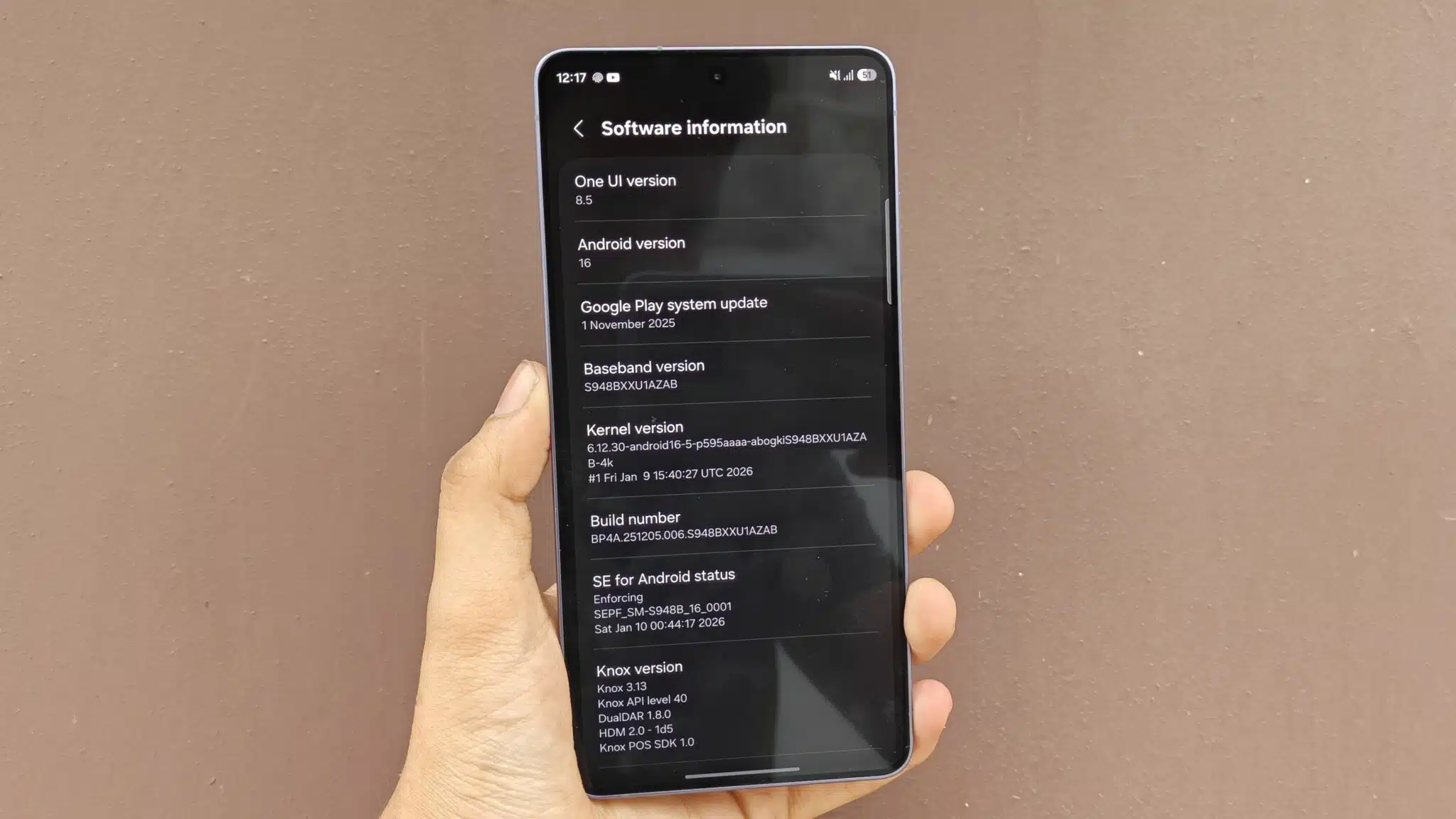
The phone runs One UI 8.5 on top of Android 16. Samsung is calling this an Agentic AI phone. One of the new features is Now Nudge. It looks at what you are doing on the screen and suggests helpful actions. For example, if I was looking at a restaurant on a website, it offered to book a table for me. Another feature, Now Brief, gives a summary of my day, including weather and calendar events, in a natural voice.
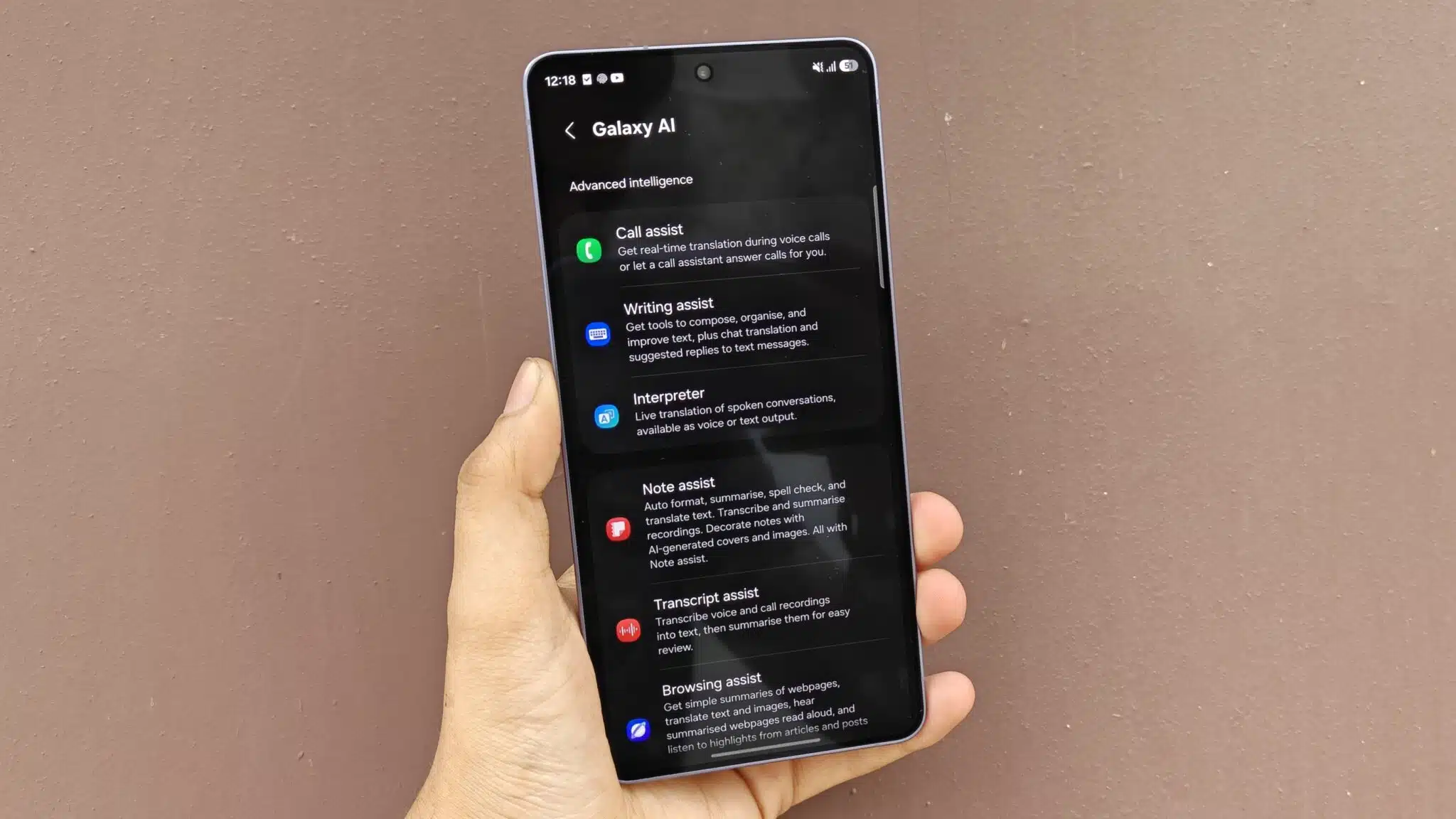
Samsung is promising seven years of updates. This means this phone will receive Android 23. This is great for the environment and for the value of the phone. You can keep this device for a long time without it becoming obsolete. The software is clean, but it still has a lot of pre-installed Samsung apps that some people might find unnecessary.
Battery Life and Faster Charging
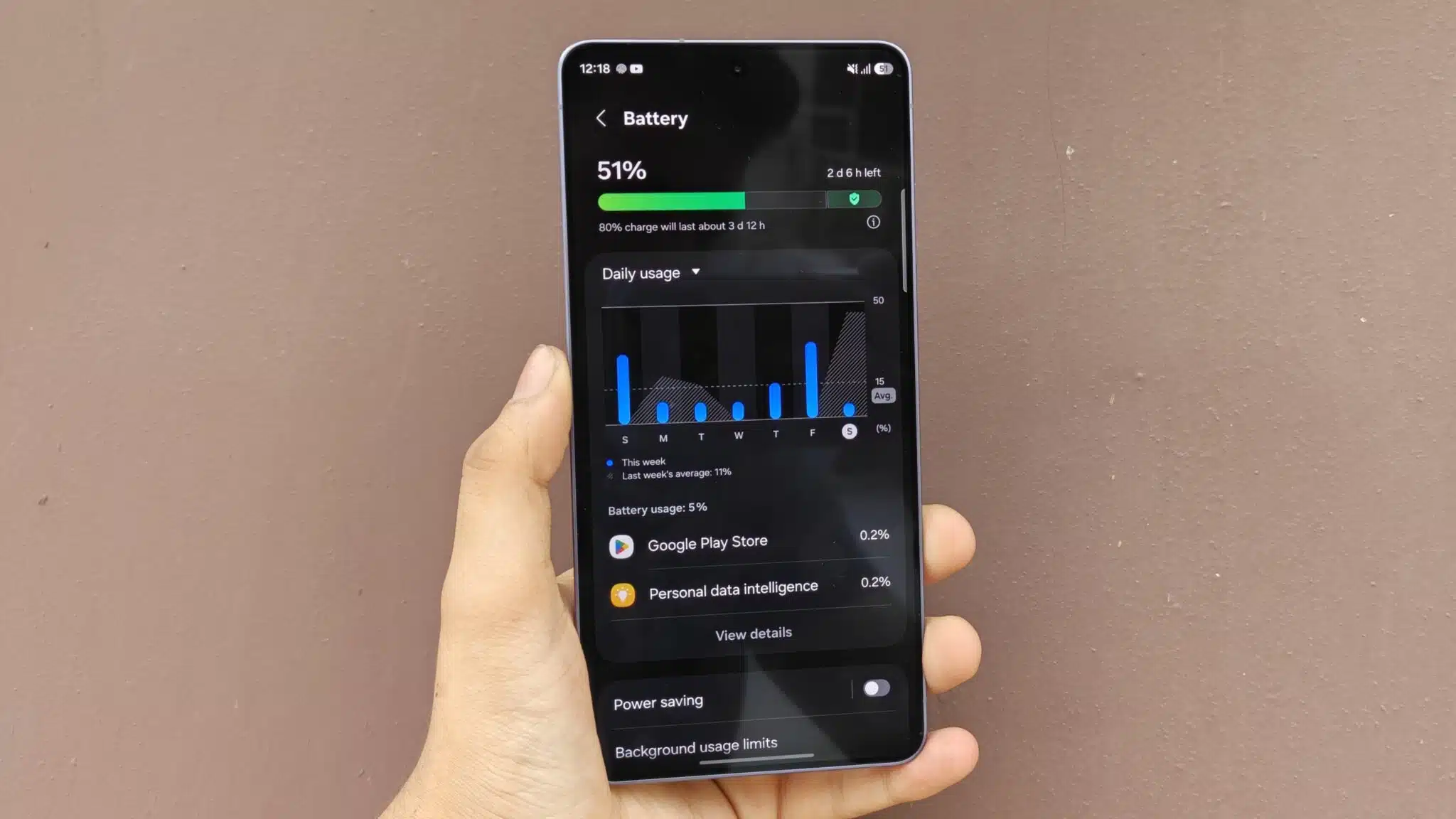
The 5000 mAh battery is the same size as last year, but the efficiency of the new chip helps it last longer. In my heavy use case, I was getting about seven to eight hours of screen-on time. I could easily reach the end of the day with 20% left.
The biggest news is the 60W wired charging. It is a significant step up from the 45W limit Samsung had for years. Using a compatible charger, I could get from zero to 75% in about thirty minutes. A full charge takes around fifty minutes. While it is still not as fast as some 120W chargers from other brands, it is much more manageable for a quick top-up before leaving the house. Wireless charging is also faster at 25W if you use a compatible pad.
Audio and Haptics
The stereo speakers are loud and have a good amount of bass for a smartphone. I used them for watching a few episodes of a show and did not feel the need to reach for my headphones. The haptic feedback is very crisp. Samsung has integrated the vibrations into the UI so well that it adds a physical layer to the digital experience. When I scroll through the date picker or move a slider, the tiny clicks feel very high quality.
Network and Connectivity
The 5G performance on Airtel and Jio in Delhi was excellent. I was getting download speeds of over 800 Mbps in most areas. The phone supports Wi-Fi 7 and Bluetooth 6.0. Bluetooth 6.0 is particularly interesting as it improves the accuracy of finding lost devices like your buds or keys. I also tried the UWB feature for digital car keys and with my Galaxy Tag 2, and it worked without any issues.
Samsung Galaxy S26 Ultra Specifications
- Processor: Qualcomm Snapdragon 8 Elite Gen 5 for Galaxy.
- RAM: 12 GB or 16 GB LPDDR5X.
- Storage: 256 GB, 512 GB, or 1 TB UFS 4.0.
- Display: 6.9-inch Dynamic AMOLED 2X, 120Hz refresh rate, 3120 x 1440 pixels.
- Rear Camera: 200MP (f/1.4) Main + 50MP (f/1.9) Ultra-Wide + 50MP (f/2.9) 5x Periscope + 10MP (f/2.4) 3x Telephoto.
- Front Camera: 12MP (f/2.2).
- Battery: 5000 mAh.
- Charging: 60W Wired, 25W Wireless.
- Build: Titanium frame with Gorilla Armor 2 front and Gorilla Glass Victus 2 back.
- Dimensions: 163.6 x 78.1 x 7.9 mm.
- Weight: 214 grams.
Verdict
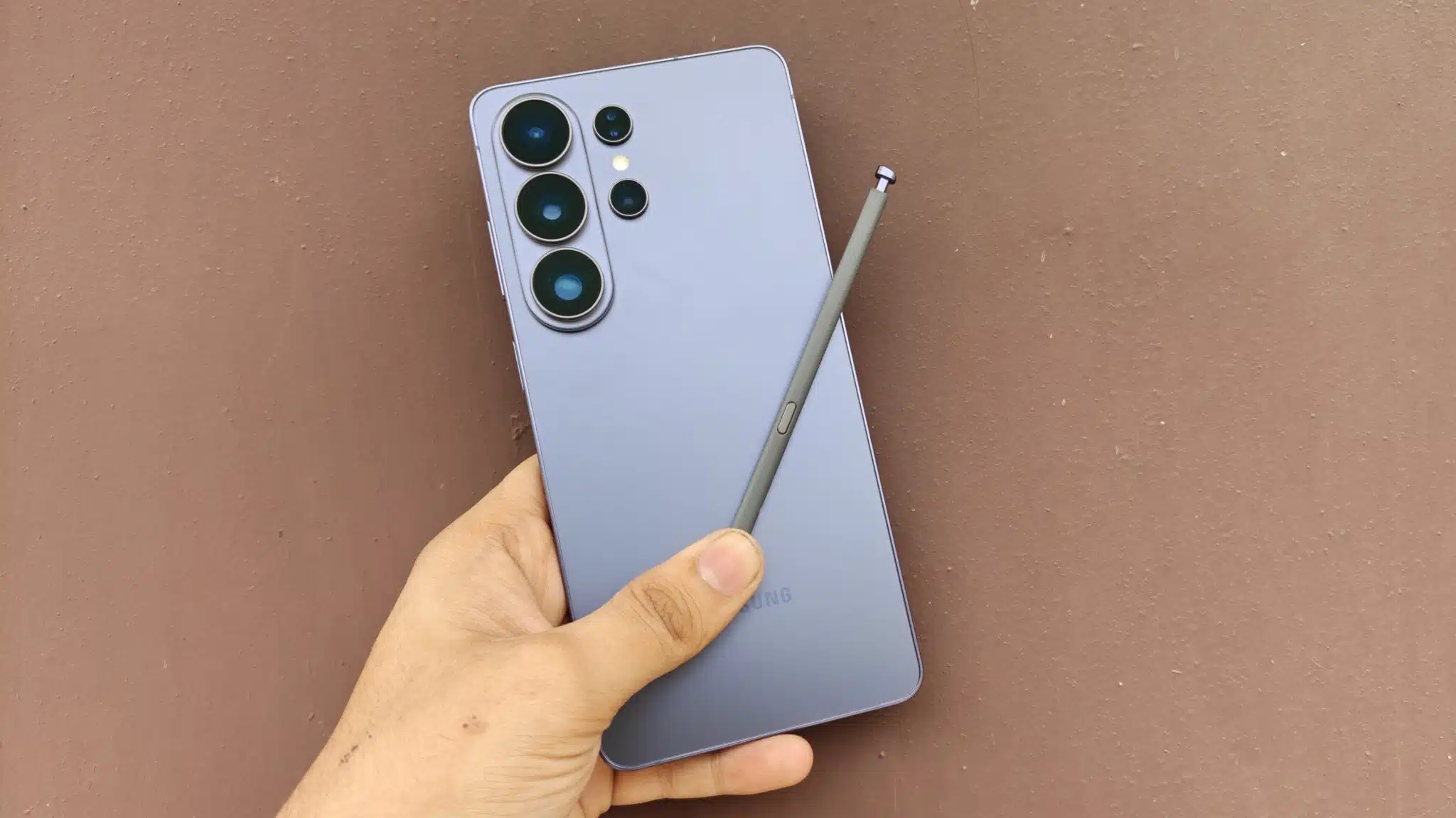
The Samsung Galaxy S26 Ultra is a powerful evolution of the Ultra brand. It addresses the two biggest complaints from previous years: weight and charging speed. By bringing the weight down to 214 grams and increasing charging to 60W, Samsung has made the phone much more practical for daily use. The Privacy Display is a clever addition that I found myself using more often than I expected.
At ₹1,39,999, it is an investment. You are paying for a device that is designed to last seven years. The camera system is arguably the most versatile on the market, especially with the improved low-light capabilities. While the loss of Bluetooth features in the S Pen is disappointing, the overall package is incredibly strong. If you want the most advanced Android experience with the best screen and long term support, this is the phone to get. It feels like a mature product that knows exactly what its users want.
Frequently Asked Questions
Q1: What is the Privacy Display feature on the S26 Ultra?
A1: It is a built-in screen technology that allows you to narrow the viewing angle. When active, people sitting next to you see a dark screen, while you see the content clearly.
Q2: Does the Indian version of the S26 Ultra have the Snapdragon chip?
A2: Yes, the Galaxy S26 Ultra in India uses the Qualcomm Snapdragon 8 Elite Gen 5 for Galaxy. The standard S26 and S26+ use the Exynos 2600.
Q3: How much lighter is the S26 Ultra compared to the S25 Ultra?
A3: The S26 Ultra weighs 214 grams, which is a reduction of about 4 grams compared to its predecessor.
Q4: Can the S26 Ultra charge in under 30 minutes?
A4: It can reach 75% charge in 30 minutes using a 60W charger. A full 100% charge takes roughly 50 to 55 minutes.
Q5: Does the S Pen work as a remote for the camera?
A5: No, the S Pen in the S26 Ultra does not have Bluetooth LE. You can use it for writing and drawing, but remote features like clicking photos are no longer supported.