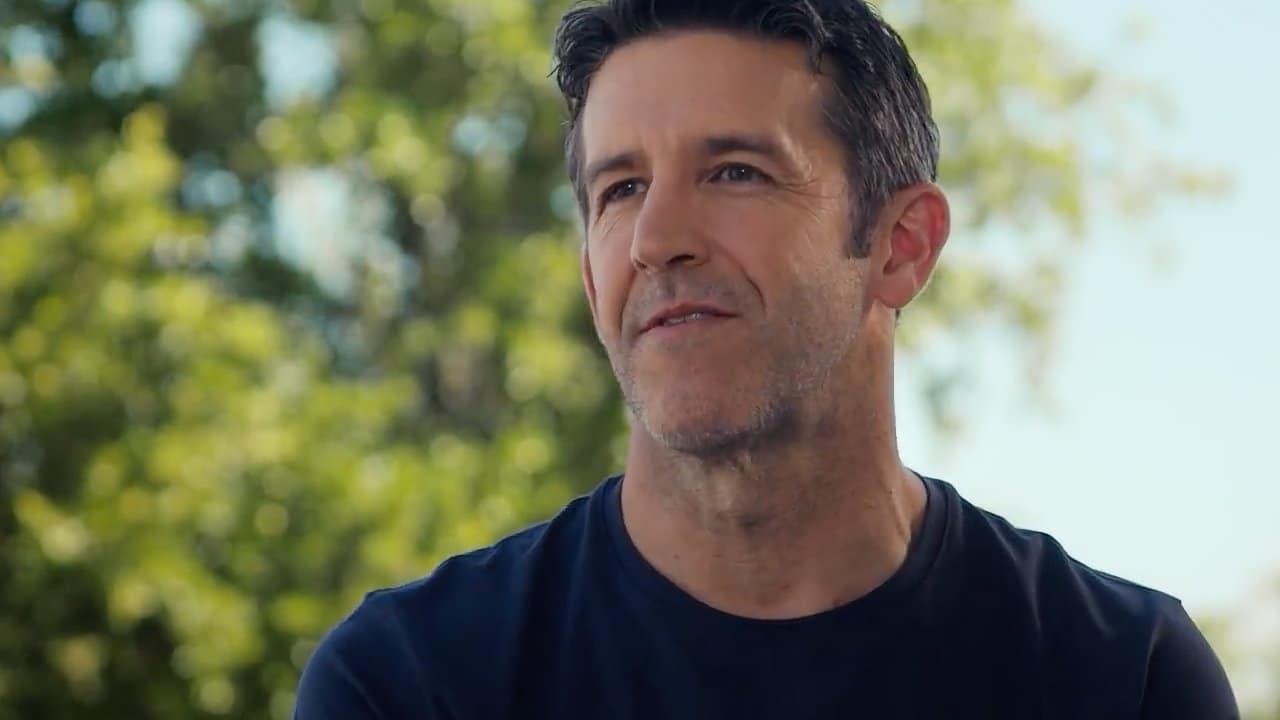
Apple chief executive officer John Ternus stated that the Apple Vision Pro spatial computer has a bright future, though the mixed-reality category remains in the early stages of a long journey. Speaking in an interview on the French television show Clique TV, the newly appointed chief executive compared the current position of the headset to the nascent period of personal computing. He explained that while early adopters continue to use the wearable hardware, professional industries like healthcare and cinema are finding practical applications for the device.
Key Takeaways
- Apple CEO John Ternus compared Apple Vision Pro to the early days of personal computers.
- The company chief pointed to growing enterprise uses in surgery and film set design.
- Ternus emphasized that developing spatial computing is a long-term project rather than an overnight hit.
- The executive noted that Apple continues to focus on hardware engineering and user utility.
Enterprise Adoption Across Medicine and Film
During the interview, Ternus addressed public skepticism surrounding sales figures and mainstream interest in mixed reality headsets. Rather than evaluating the device strictly as a high-volume consumer gadget, Ternus framed it as the foundation of a broader computing ecosystem.
He highlighted specific technical uses where spatial visualization provides a clear advantage. For example, medical surgeons have started relying on Vision Pro during operations, using digital overlays directly in their field of view instead of glancing away at external physical monitors. Similarly, media teams are adopting the equipment for virtual set development in filmmaking. These professional niches justify the hardware requirements and premium cost while Apple refines the technology.
A Patient Path to Mainstream Spatial Computing
The Apple Vision Pro, which runs visionOS, entered the market with custom micro-OLED displays delivering more than 4K resolution per eye, along with an M-series processor paired with an R1 real-time sensor chip. The price tag of 3,499 US dollars kept it out of reach for most mainstream buyers, including tech enthusiasts in India and other developing markets where import costs push final figures even higher.
Ternus, who served as senior vice president of hardware engineering before stepping into the top executive position, has a reputation grounded in product mechanics. While industry observers previously questioned his enthusiasm for mixed-reality hardware, Ternus made it clear that Apple will take a steady approach. Personal computers took decades to shrink, drop in cost, and reach billions of desks. Ternus indicated that spatial computing must follow a comparable trajectory, gradually resolving weight, battery, and pricing barriers.
Frequently Asked Questions
Q1. What did Apple CEO John Ternus say about the Apple Vision Pro?
A1. John Ternus stated that the Apple Vision Pro has a bright future, comparing its current development stage to the early days of personal computers and highlighting its growing value in professional sectors.
Q2. What industries are using the Apple Vision Pro?
A2. According to Ternus, healthcare teams use the headset during surgical operations, and entertainment crews use it for virtual set creation in film production.
Q3. Why is Apple Vision Pro not widely used by regular consumers?
A3. The device carries a premium launch price of 3,499 US dollars, features a heavy form factor with an external battery pack, and currently functions primarily for early adopters and specialized professionals.