


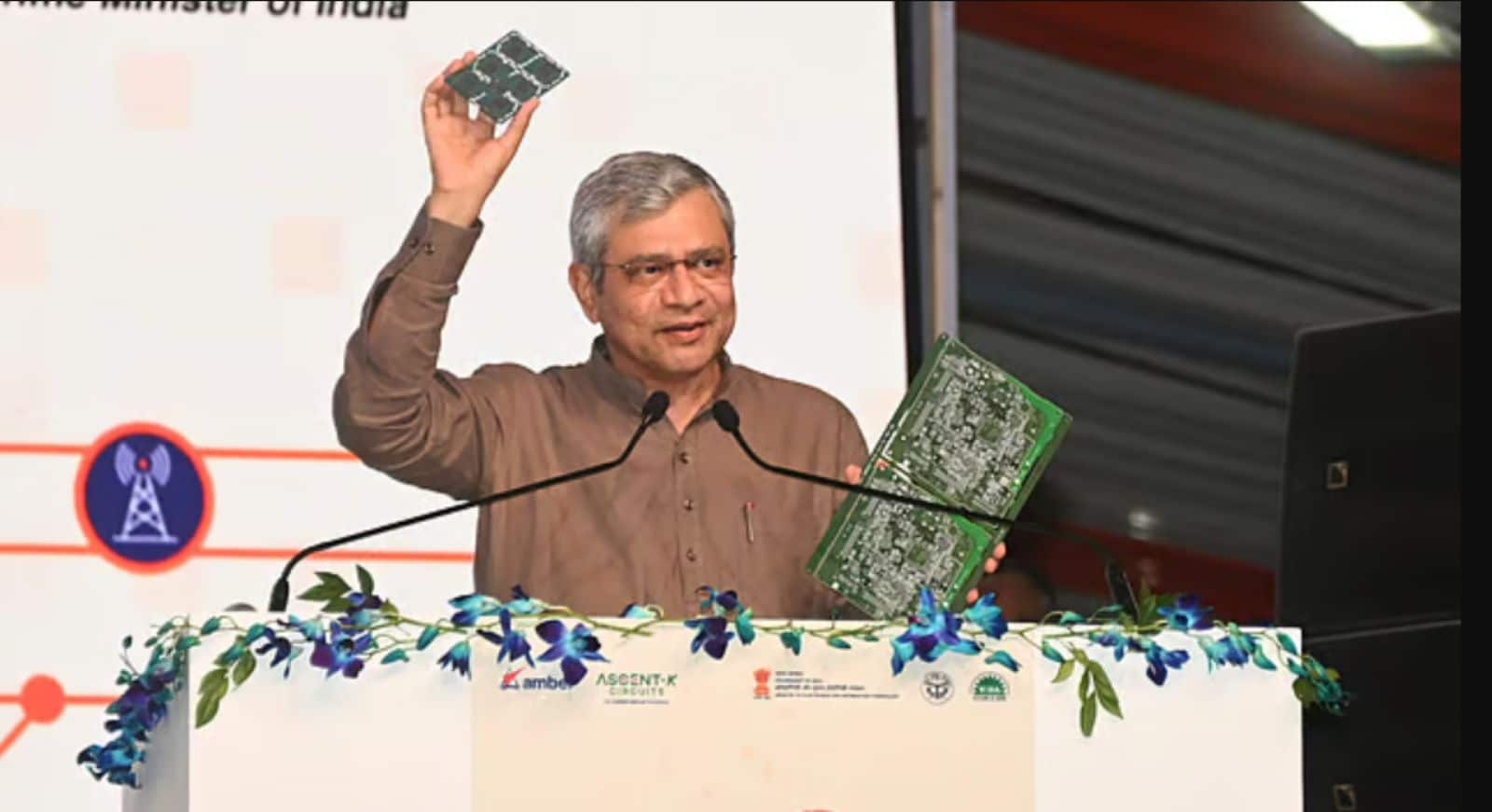
Union Electronics and IT Minister Ashwini Vaishnaw confirmed on Friday that Apple could broaden its manufacturing operations in India beyond iPhones to other hardware products. Speaking to reporters in New Delhi, the minister indicated that talks are underway to assemble other items from Apple’s portfolio in domestic facilities. The announcement arrived alongside the notification of the new Rs 62,500-crore Mobile Phone Manufacturing Scheme, a five-year program running from financial year 2027 to 2031.
Key Takeaways
- Apple may soon manufacture devices like iPads and MacBooks in India.
- The central government notified a Rs 62,500-crore manufacturing scheme for five years.
- Domestic value addition in phone manufacturing has reached between 25% and 28%.
- Three domestic smartphone companies plan to launch local hardware within 10 to 14 months.
- India now produces 99.2% of the mobile phones sold in the domestic market.
Expansion Across Apple Hardware
Apple started local assembly in India in 2017 with the iPhone SE. Contract manufacturing partners like Foxconn, Pegatron, and Tata Electronics have since scaled up local output. Research estimates indicate India will produce about 26% of all iPhones globally in 2026. When asked whether Apple would assemble iPads and Mac personal computers locally, Vaishnaw gave an affirmative reply, showing the country is preparing for higher-level production lines.
New Electronics Scheme Structure
The Mobile Phone Manufacturing Scheme replaces earlier production incentive programs that ended on March 31, 2026. The fresh plan contains two focus tracks:
The first track supports high-volume manufacturing with incentives between 2.25% and 5% on eligible sales. Companies get an extra 1.5% incentive if they buy specified key components from Indian vendors. The second track supports domestic brands with a 5% baseline incentive, along with a 3% incentive for local research and product design.
Eligible phone manufacturers must register in India and show a minimum turnover of Rs 10,000 crore for FY26 to qualify under the general rules. Electronics manufacturing services firms need a minimum FY26 turnover of Rs 1,000 crore.
Homegrown Brands Prepare Market Entry
Vaishnaw stated that three Indian companies are preparing to release homegrown mobile devices in the next 10 to 14 months. The government requires Indian citizens to hold at least 51% ownership in these entities, along with domestic control over intellectual property and design patents. These brands intend to begin with high-volume value segments before expanding into higher price tiers.
Google is also preparing to shift a large portion of its export-focused Pixel hardware production to Indian assembly plants, building on lines managed by partners like Dixon Technologies.
Frequently Asked Questions
Q1. Which Apple products might be manufactured in India next?
A1. The government expects Apple to expand local assembly to iPads, Mac computers, and related accessories.
Q2. What is the total budget for the new Mobile Phone Manufacturing Scheme?
A2. The Union Government allocated Rs 62,500 crore for the program over a five-year period from FY27 to FY31.
Q3. How much of global iPhone production happens in India?
A3. Industry estimates show India accounts for about 26% of worldwide iPhone output in 2026.
Q4. What domestic value addition has India achieved in mobile phone manufacturing?
A4. Local value addition in Indian electronics manufacturing has reached 25% to 28%, up from low single digits a decade ago.