

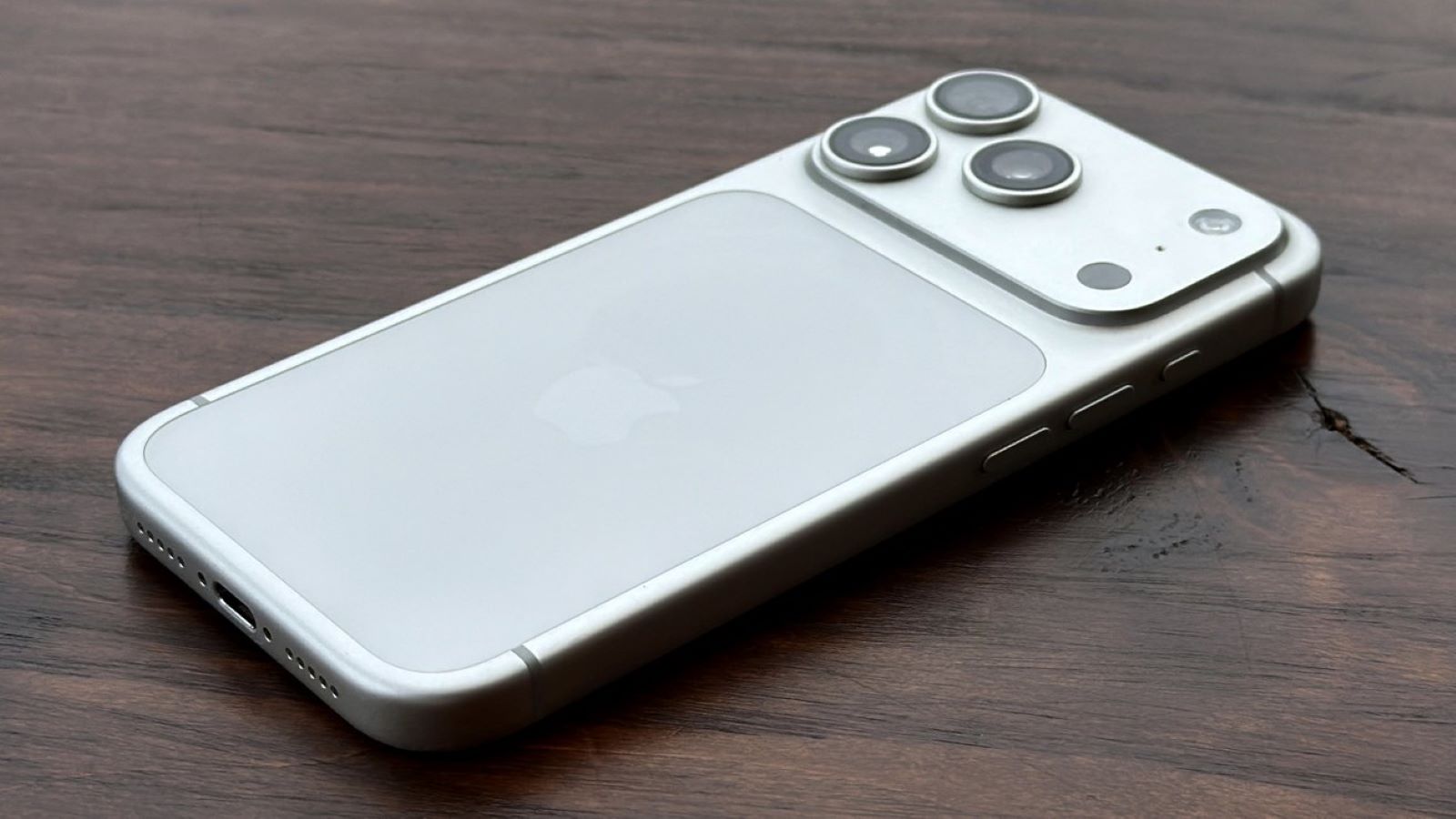
Apple managed a 5 percent jump in iPhone shipments across Latin America in Q2 2026. The rest of the smartphone market? Down 10 percent year over year. Counterpoint Research says this is the worst annual drop since Q3 2023. What’s behind it? Memory chip shortages and higher production costs, mostly hitting cheaper phones. Apple, though, kept demand strong for its pricier models and took on the extra costs instead of passing them to buyers.
Key Takeaways
- Latin America total smartphone shipments fell 10 percent year over year in Q2 2026.
- Apple shipments rose 5 percent, while Samsung grew shipments by 6 percent.
- Apple retained 51 percent of the premium smartphone segment priced above $600 in the region.
- Mid-range and budget brands saw sharp drops, with Xiaomi shipments falling 27 percent and Motorola down 14 percent.
- Analysts project memory supply pressures will keep the regional market constrained until 2028.
Factors Behind Apple Growth
Counterpoint Research, a global technology market research firm, tracks device shipments and sales trends across international markets. Its latest report revealed that entry-level and mid-range devices represent nearly three-quarters of all smartphone sales in Latin America. When memory chip prices surged worldwide, budget brands had to raise retail prices or face tight inventory.
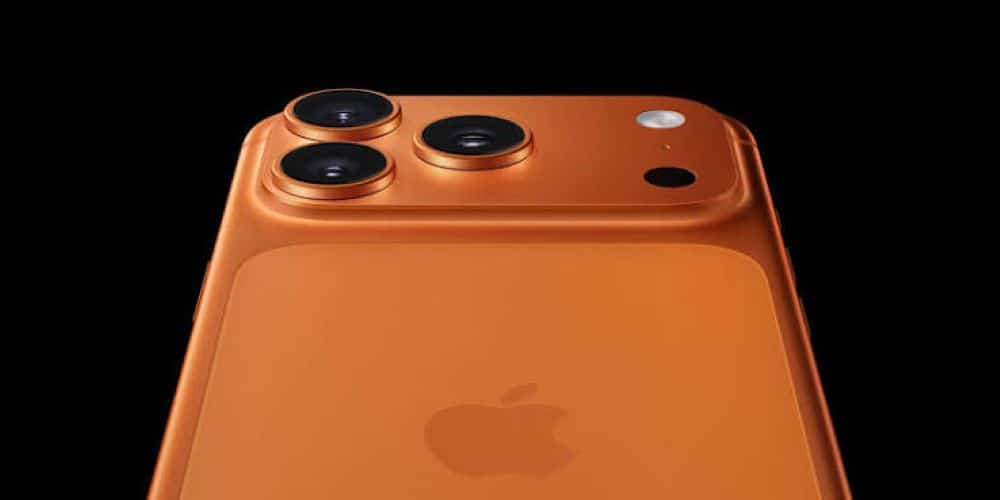
Apple absorbed these component cost increases instead of immediately passing them to consumers. Buyers continued purchasing the iPhone 17 Pro Max in steady numbers. The iPhone 17e, released in late March, also gained steady traction among consumers seeking modern features at relatively accessible prices. As a result, Apple secured 51 percent of all sales in the region for smartphones priced above $600.
How Rival Brands Fared
South Korean tech giant Samsung remained the regional market leader, securing a 38 percent market share and a 6 percent rise in shipments. Samsung regained top positions in Colombia, Ecuador, and Peru through its Galaxy A and Galaxy S lineups.
Other manufacturers faced severe declines. China-based smartphone maker Xiaomi experienced a 27 percent drop in shipments after redirecting inventory to its home market. Motorola, owned by Lenovo, dropped 14 percent, while Honor declined 8 percent. Inflationary pressures in Brazil, Mexico, and Colombia reduced disposable income, making price-sensitive consumers delay phone upgrades.
Frequently Asked Questions
Q1. Why did the Latin American smartphone market drop in Q2 2026?
A1. The market contracted by 10 percent due to global memory chip shortages, rising component prices, and higher inflation across major economies like Brazil and Colombia.
Q2. How much did Apple iPhone sales grow in Latin America?
A2. Apple increased its iPhone shipments in Latin America by 5 percent year over year during the second quarter of 2026.
Q3. Which iPhone models drove this regional growth?
A3. Strong buyer demand for the high-end iPhone 17 Pro Max, steady sales of the newer iPhone 17e, and consistent demand for legacy iPhone models supported the gains.
Q4. Which smartphone brand holds the highest market share in Latin America?
A4. Samsung leads the Latin American market with a 38 percent shipment share, followed by Motorola, Xiaomi, and Apple.
Q5. When is the Latin American smartphone market expected to recover?
A5. Analysts at Counterpoint Research estimate that memory supply constraints and pricing pressures will persist, delaying a full market rebound until 2028.