

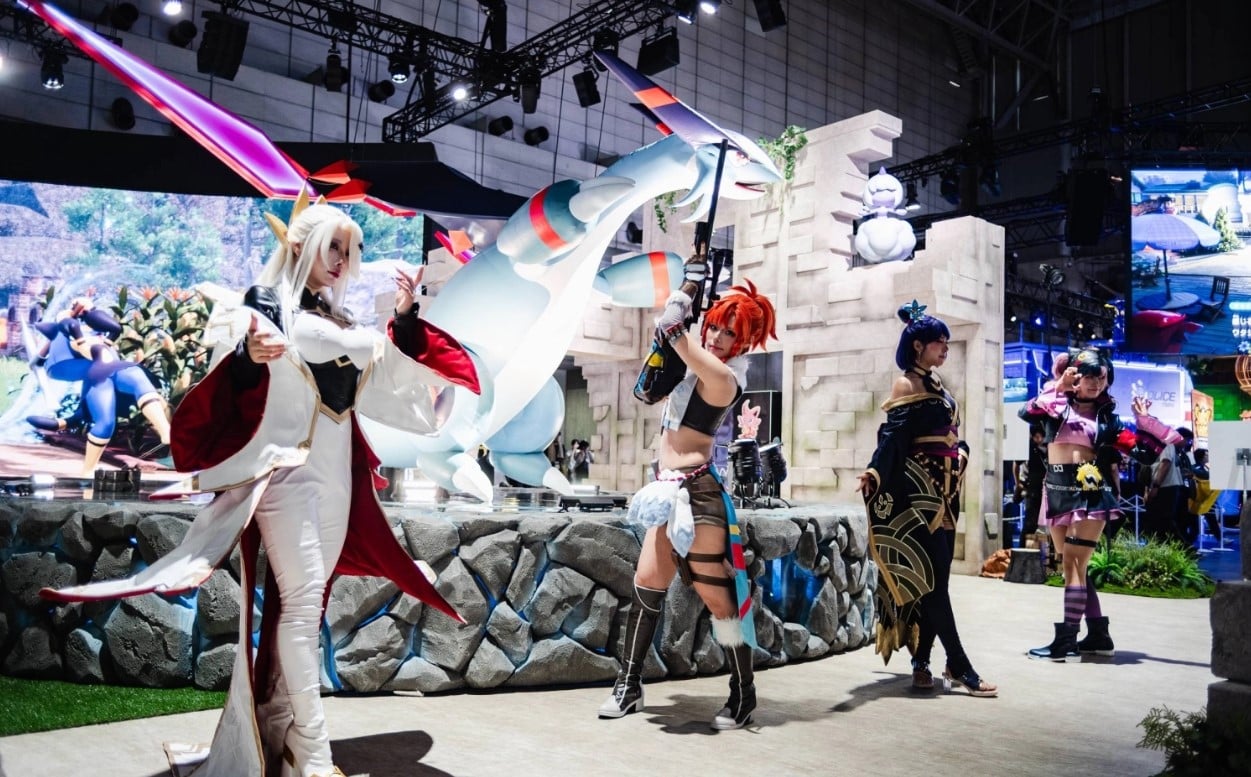
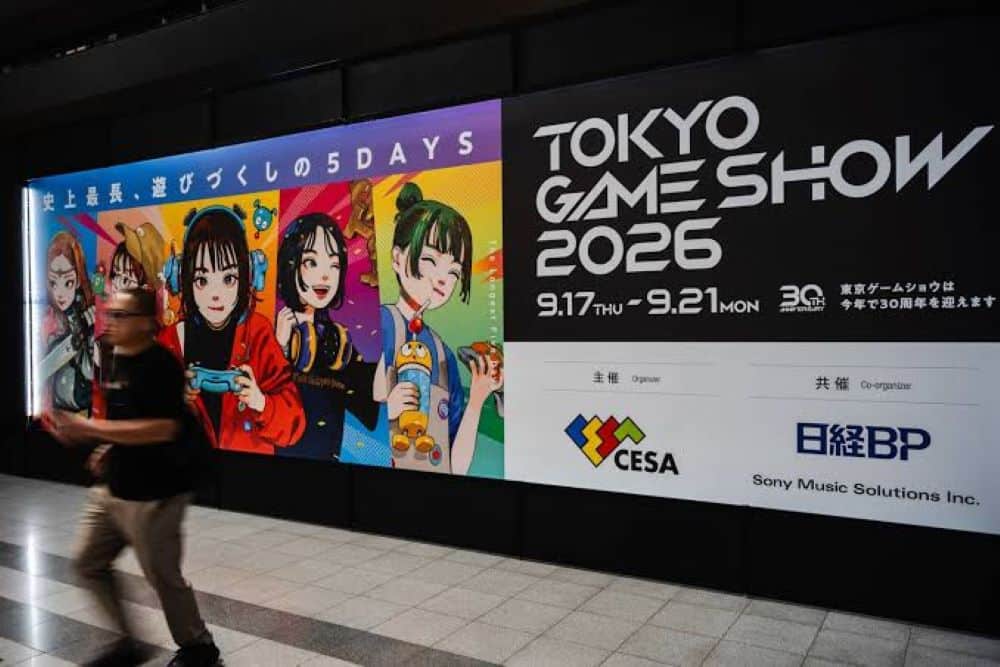
Tokyo Game Show opened its 30th anniversary edition at the Makuhari Messe convention center this week, expanding to five days and hosting a record 1,138 exhibitors from 53 countries and regions. Organizers expect up to 300,000 visitors through September 21, showing that physical gaming expos still draw strong crowds even as events like the Electronic Entertainment Expo in the United States faded away. Yet beneath the celebratory gold medals and record booth counts, the show floor reveals an industry leaning heavily into familiar territory, as big studios favor remakes, reboots, and legacy franchises over risky original ideas.
Key Takeaways
- Tokyo Game Show runs from September 17 to 21 at Makuhari Messe in Chiba, marking its 30th year since its 1996 debut.
- The 2026 expo features 1,138 exhibiting companies, including 598 overseas publishers, across an extended five-day schedule.
- Major Japanese publishers highlighted remakes and nostalgic series, including Square Enix’s Final Fantasy VII Revelation, Atlus’s Persona 4 Revival, and Sega’s Crazy Taxi: World Tour.
- Rising production budgets across top game development teams have pushed corporations toward established brands with proven commercial appeal.
Nostalgia Takes Center Stage
Square Enix drew massive booth lines by providing the first hands-on public demo of Final Fantasy VII Revelation. The game serves as the final chapter in the remake trilogy based on the 1997 PlayStation classic, bringing back characters Cloud Strife and Sephiroth while adding airship travel and coordinated squad combat. Square Enix confirmed an April 7, 2027 release window for the title.
Sega and its Atlus subsidiary presented a similar slate centered on nostalgia. Atlus showcased Persona 4 Revival, a full reconstruction of its popular school-life role-playing game built using Unreal Engine 5 with updated combat systems and newly recorded voice acting. Sega also brought Crazy Taxi: World Tour, reviving the fast arcade driving title popular two decades ago. One rare departure came from Ryu Ga Gotoku Studio, known for the Yakuza series, which unveiled Stranger Than Heaven, an original action project set across multiple historical Japanese eras.
Rising Budgets Force Cautious Bets
The heavy focus on old intellectual property reflects broader financial realities. High-end video game development now requires years of work and tens of millions of dollars. For players in India and international markets buying full-priced titles, publishers aim to deliver recognizable names that reduce purchase hesitation. While independent teams in the Indie Game Pavilion offered fresh concepts, the big display areas belonged almost entirely to franchises born in the 1990s and 2000s.
Frequently Asked Questions
Q1. When and where is Tokyo Game Show 2026 taking place?
A1. The event runs from September 17 to September 21, 2026, at the Makuhari Messe convention center in Chiba, near Tokyo.
Q2. Why did Tokyo Game Show add an extra day this year?
A2. To celebrate its 30th anniversary, organizers extended the show from four days to five, giving the public three full days from September 19 to 21 following two business days.
Q3. What were the most anticipated games on display?
A3. Headline titles included Final Fantasy VII Revelation from Square Enix, Persona 4 Revival from Atlus, and Crazy Taxi: World Tour from Sega.
Q4. Why are game companies focusing so much on remakes?
A4. Game production costs have risen sharply, making original titles a financial gamble. Studios use remakes of beloved titles to guarantee sales and appeal to long-time fans.