

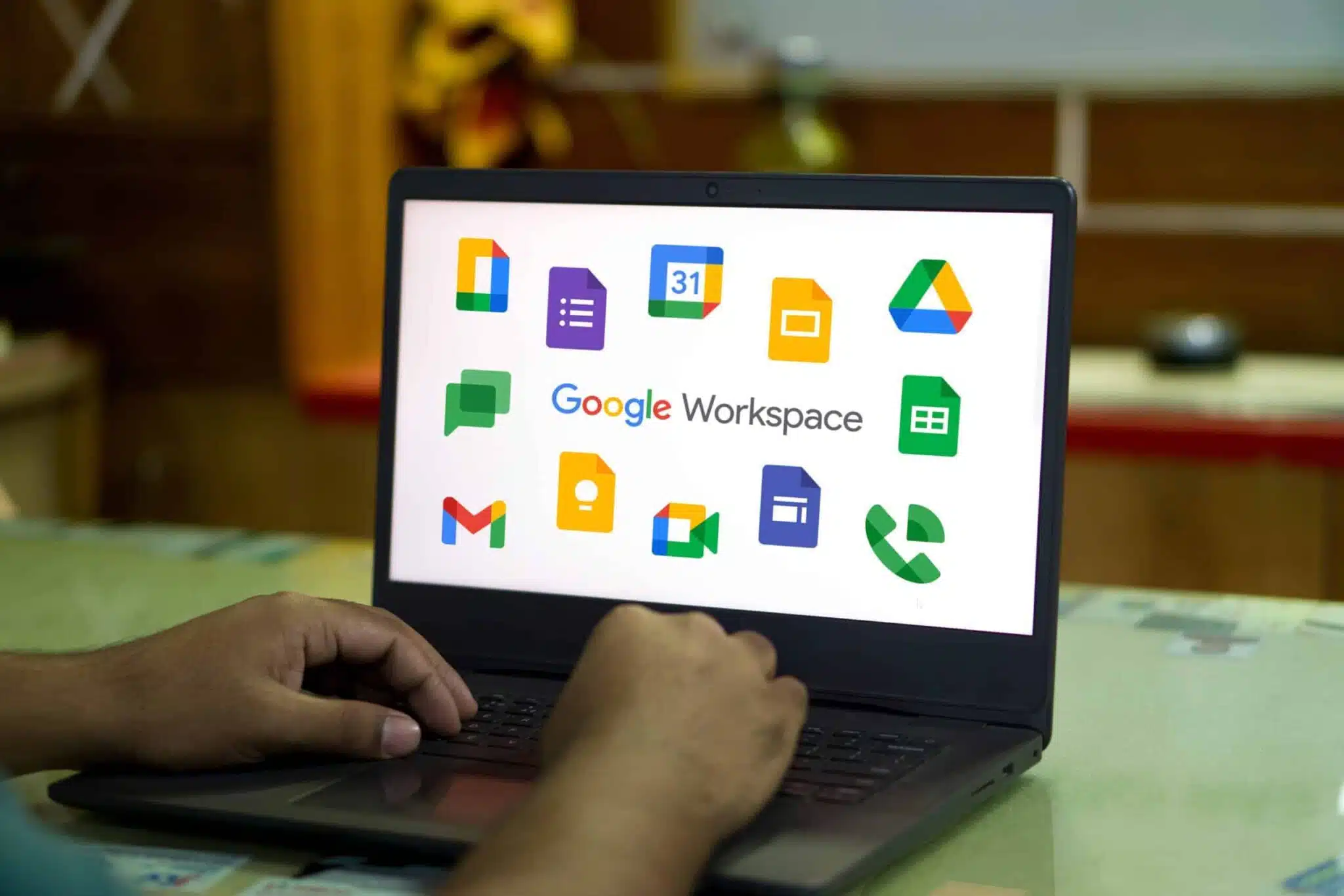
Imagine your workday flowing smoother, ideas sparking effortlessly, and those dreaded repetitive tasks vanishing into thin air. Sounds like a dream? Well, wake up! Google Workspace has just unveiled a significant wave of AI-powered features across its suite of tools, promising to revolutionize how we work, collaborate, and create. But is this just another tech buzzword, or will these changes genuinely impact your daily grind? Let’s dive deep into what Google has in store and how these intelligent additions could reshape your professional landscape.
For years, we’ve relied on Google Docs for crafting documents, Sheets for crunching numbers, Slides for presentations, and Chat for team communication. Now, these familiar tools are getting a serious intelligence boost, thanks to Google’s advancements in artificial intelligence. This isn’t about replacing human creativity; it’s about augmenting our abilities, freeing us from mundane tasks, and helping us focus on higher-level thinking and strategic work.
One of the most anticipated areas of AI integration is within Google Docs. Picture this: you’re staring at a blank page, struggling to articulate your thoughts. Soon, AI could step in as your intelligent writing partner. Imagine being able to simply describe the topic you want to cover, and Docs generates an initial draft, saving you precious time and mental energy. This goes beyond simple spell-checking and grammar correction. The new AI features aim to understand the context of your writing, suggest relevant phrases, and even help you rephrase sentences for clarity and impact. This could be a game-changer for anyone who frequently writes reports, articles, or even emails. Think about the time saved on drafting meeting minutes or crafting compelling proposals.
But the AI magic doesn’t stop at text. Google Sheets is also getting a significant upgrade. For those who spend hours analyzing data, this news will be music to your ears. Imagine being able to ask Sheets natural language questions about your data, and it instantly generates the relevant charts and insights. No more wrestling with complex formulas or spending hours trying to visualize trends. The AI could automatically identify patterns, suggest relevant analyses, and even forecast future outcomes based on your data. This could empower everyone, from sales teams tracking performance to project managers monitoring progress, to make data-driven decisions with greater ease and speed. Consider the impact on small businesses that might not have dedicated data analysts but still need to understand their key metrics.
Communication is key in any workplace, and Google Chat is also set to become smarter. Imagine an AI assistant that can summarize lengthy chat threads, identify key action items, and even suggest relevant information or documents based on the conversation. This could significantly improve team collaboration, reduce information overload, and ensure everyone stays on the same page. Think about how much time is wasted sifting through endless chat messages to find crucial information. AI could streamline this process, making communication more efficient and productive.
Beyond these core applications, other Workspace tools are also expected to receive AI enhancements. Imagine Google Slides suggesting visually appealing layouts and designs based on your content, or even generating relevant images to enhance your presentations. Think about the time saved on searching for the perfect stock photo or struggling with slide formatting. Similarly, Google Drive could become more intelligent in organizing your files, suggesting relevant documents based on your current task, and even helping you quickly find that one elusive file you can never seem to locate.
These AI features are not just about making our work lives easier; they also have the potential to foster creativity and innovation. By automating routine tasks and providing intelligent assistance, these tools can free up our mental bandwidth, allowing us to focus on more strategic and creative endeavors. Imagine brainstorming sessions where AI helps generate initial ideas or provides relevant research to spark new thinking.
However, with such powerful AI capabilities comes the crucial need for responsible implementation. Google has emphasized its commitment to building AI ethically and responsibly, with a focus on user privacy and data security. It will be crucial to see how these AI features are integrated into the Workspace environment and how users can control and manage their data in this new intelligent landscape. Transparency and user control will be paramount in ensuring trust and adoption of these new tools.