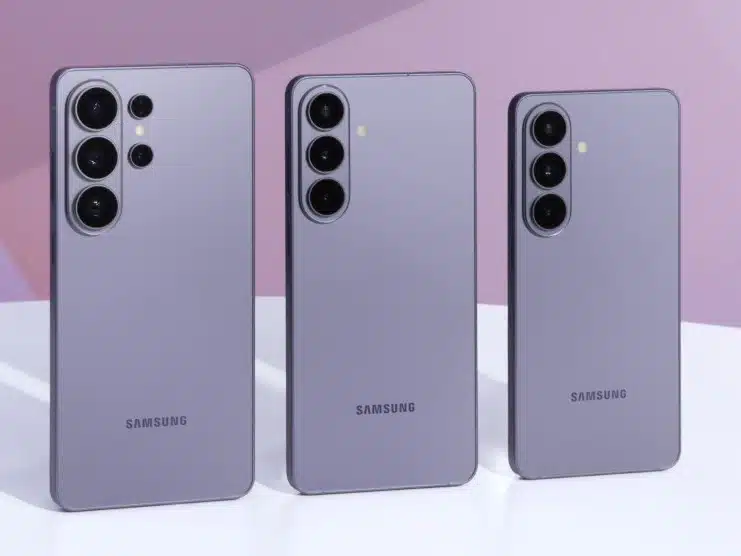
Samsung has put together an infographic that looks back at the 15-year journey of camera technology in its Galaxy S flagship smartphones. The visual guide begins with the original Samsung Galaxy S from 2010 and moves all the way to the latest Galaxy S24 series, laying out how the camera evolved from a single, straightforward sensor to today’s advanced, AI-powered multi-lens systems.
The progression highlights just how central the camera has become to the Galaxy S experience. What started as a simple feature has gradually turned into one of the defining reasons people upgrade their phones.
Here are some of the key points from the timeline:
- The original Galaxy S in 2010 launched with just a single 5-megapixel rear camera.
- The Galaxy S7 in 2016 brought Dual Pixel autofocus, a technology borrowed from professional cameras, for much faster focusing.
- The Galaxy S20 Ultra in 2020 introduced a massive 108MP sensor.
- The Galaxy S22 Ultra in 2022 marked the debut of “Nightography,” aimed at sharper low-light photos.
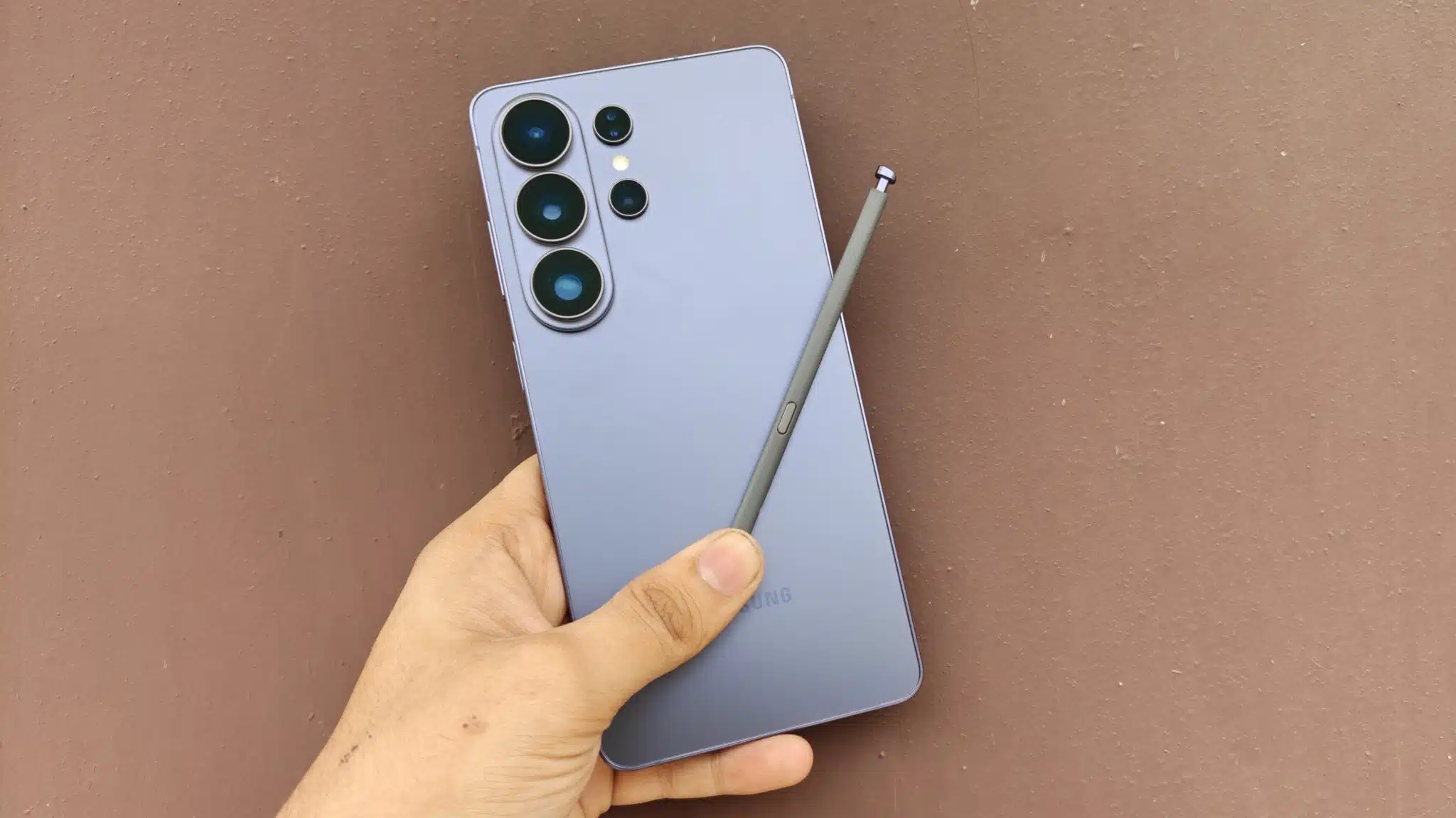
- Today’s Galaxy S24 Ultra continues with a 200MP main sensor and leans heavily on AI through its ProVisual Engine.
Looking back at the first Galaxy S, it almost feels modest. The phone had a 5MP rear camera with no front-facing camera at all. It was basic, of course, but it set the stage for everything that followed. Two years later, the Galaxy S3 added more software tricks, including Burst Shot, which let users capture a rapid sequence of photos in one go.
A more dramatic step came in 2016 with the Galaxy S7. It was the first in the series to feature a 12MP sensor with Dual Pixel autofocus. This system used every pixel for phase detection, a method that drastically sped up focusing and made low-light shots sharper. In 2018, the Galaxy S9 introduced a dual-aperture lens that could physically switch between f/1.5 for dim scenes and f/2.4 for brighter settings. That meant the camera could adapt to lighting in a way no Galaxy S had managed before.
Then came the megapixel leap. The Galaxy S20 Ultra in 2020 carried Samsung’s first 108MP ISOCELL sensor. To balance such a high resolution with practical photo quality, it used pixel binning, a method that merges data from multiple pixels to create one brighter, more detailed shot. The S20 Ultra also pushed zoom to new levels with “Space Zoom,” a mix of optical and digital zoom that reached up to 100x.
Samsung built on that foundation in later models. The Galaxy S21 Ultra added a dual-telephoto setup, making zoom performance more versatile. In 2022, the Galaxy S22 Ultra arrived with its “Nightography” branding, putting low-light photography front and center. A year later, the Galaxy S23 Ultra delivered Samsung’s first 200MP sensor. And with the latest Galaxy S24 Ultra, Samsung hasn’t increased the megapixel count further but instead put its focus on artificial intelligence. The ProVisual Engine now assists with everything from zoom sharpness and color tuning to post-shot editing.
In a way, this 15-year chart is less about numbers and more about showing how the smartphone camera became the heart of the Galaxy S series. It started off as a nice extra, but today it’s one of the main reasons people reach for Samsung’s top phones.
Frequently Asked Questions (FAQs)
Q. What was the camera on the first Samsung Galaxy S phone?
A. The original Samsung Galaxy S, released in 2010, had a single 5-megapixel (5MP) rear camera and did not have a front-facing camera.
Q. When did Samsung introduce 100x zoom?
A. Samsung introduced its ‘Space Zoom’ feature, capable of up to 100x magnification (a mix of optical and digital zoom), with the launch of the Galaxy S20 Ultra in 2020.
Q. What is Nightography in Samsung phones?
A. ‘Nightography’ is a term Samsung uses for its camera system’s improved ability to capture clear and bright photos and videos in low-light conditions. It combines larger sensors, advanced image signal processing (ISP), and AI software. It was first marketed with the Galaxy S22 series.
Q. Which Samsung phone first had a 200MP camera?
A. The Samsung Galaxy S23 Ultra, released in 2023, was the first Samsung smartphone to feature a 200-megapixel (200MP) main camera sensor.