

South Korean tech firm Samsung completed 30 years of operations in India on Monday, pointing to its evolution from selling imported electronics to engineering products inside the country for global markets. Speaking on the milestone, Samsung South West Asia President and CEO JB Park stated that the company no longer views India merely as a consumer market of 1.4 billion people, but as a place where future consumer tech is conceived, designed, and built.
Key Takeaways
- Samsung entered the Indian market in 1995 and expanded operations across local manufacturing plants and research sites.
- Engineers based at centers in Bengaluru and Noida actively develop global software, consumer electronics, and artificial intelligence features.
- Local product development relies heavily on feedback from varied Indian users to create intuitive consumer tools.
- Youth training drives like Solve for Tomorrow support young creators who solve community problems using software and technical design.

From Sales to Global Product Development
Samsung set foot in India in 1995. Over the past three decades, the company steadily built assembly plants, established testing labs, and hired thousands of local software engineers.
The company now runs major research and development centers in Bengaluru and Noida. Engineers at these facilities do not work in isolation. They team up with international squads across Samsung’s global network, writing code and developing hardware that reach consumers in North America, Europe, and East Asia.
Park pointed out that creating goods for India requires answering diverse daily needs. When engineers solve design challenges for Indian consumers across different languages, climates, and price points, those same solutions help international buyers.
Focus on Practical Artificial Intelligence
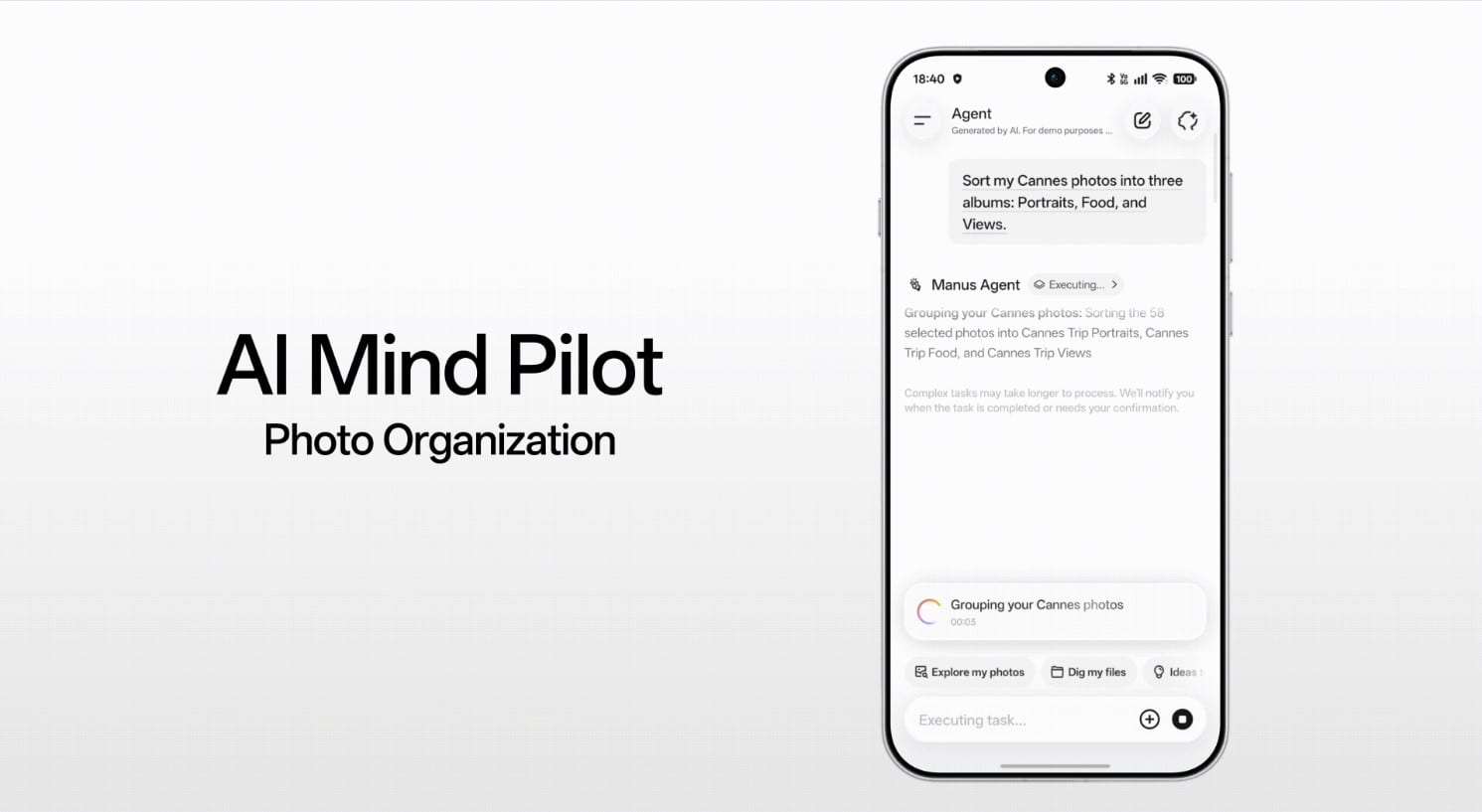
Artificial intelligence is changing how people use everyday appliances and personal devices. Samsung software teams in India focus directly on practical artificial intelligence tools rather than abstract software demos.
Park said artificial intelligence delivers real value only when it helps people handle genuine problems in daily routines. The company relies on its Indian teams to build these next-generation experiences because the local market offers direct insight into real-world consumer behavior.
Training Indian Youth for Tech Careers
Beyond factories and lab facilities, the electronics brand funds student programs focused on computer science and electronics.
The company runs dedicated youth initiatives, including tech training campuses and the Solve for Tomorrow challenge. These programs provide college and school students with training in coding, artificial intelligence, and hardware design. Now in its fifth year in India, the Solve for Tomorrow platform operates as a talent pipeline where students receive direct mentoring from engineers to turn community-focused ideas into working prototypes.
Park stated that hardware and phones alone will not define the brand’s long-term legacy in India. Instead, the company measures its success by the technical careers and creative paths it helps local talent pursue.
Frequently Asked Questions
Q1. When did Samsung start operations in India?
A1. Samsung entered the Indian market in 1995, starting with consumer electronics distribution before expanding into nationwide manufacturing and software development.
Q2. Where are Samsung primary research facilities located in India?
A2. Samsung operates its primary Indian research and development facilities in Bengaluru and Noida, where software engineers build features for global devices.
Q3. What is Samsung Solve for Tomorrow program in India?
A3. Solve for Tomorrow is an annual youth program that gives young Indian inventors mentorship, funding support, and training to build tech solutions for local community issues.
Q4. Who is the current head of Samsung South West Asia?
A4. JB Park serves as the President and Chief Executive Officer of Samsung South West Asia.