

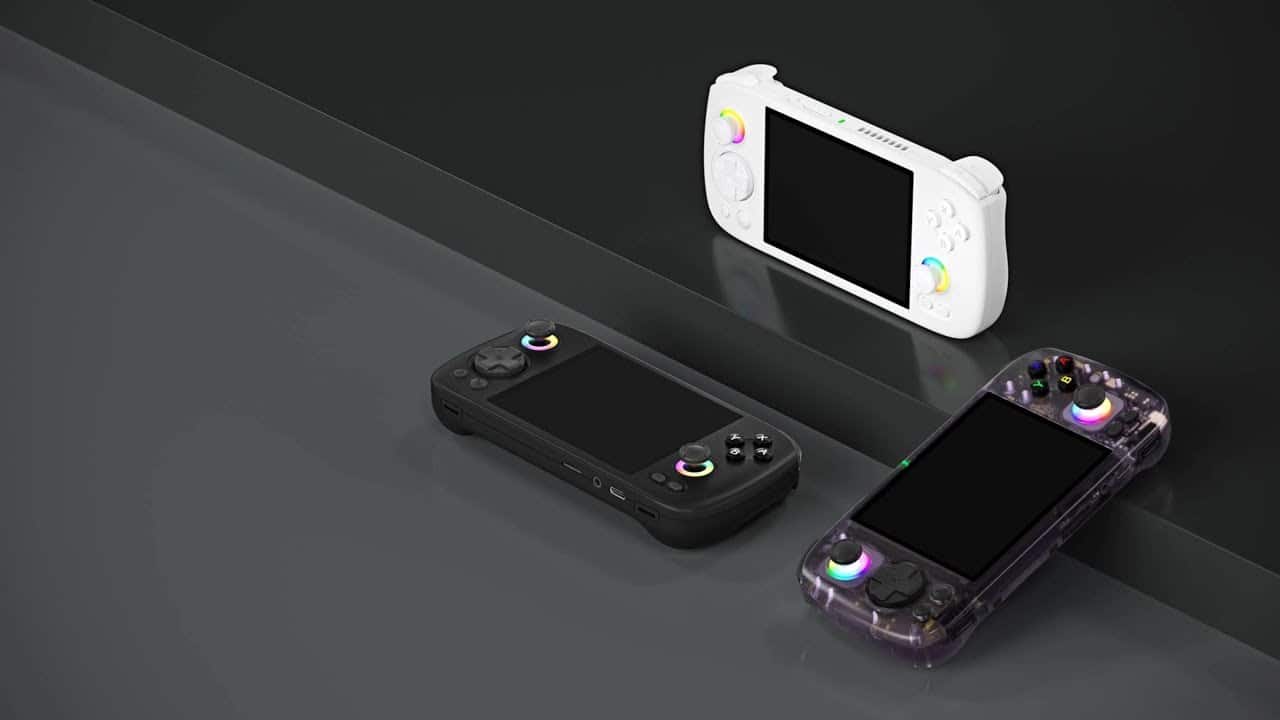
The world of retro handheld gaming has just faced a significant shake-up. Anbernic, a popular maker of devices that let you revisit classic titles on the go, has announced a sudden halt to direct shipments to the United States from its China warehouses. The reason? Shifting US tariff policies are making direct imports too costly and uncertain.
This move, confirmed through multiple reports and a notice on Anbernic’s own website, sends ripples through a dedicated community of enthusiasts who rely on affordable access to these portable powerhouses. For years, players have enjoyed a steady stream of new devices from companies like Anbernic, offering a nostalgic trip down memory lane with modern convenience. Now, that direct pipeline faces a formidable barrier.
The core of the issue lies in recent adjustments to US import duties, particularly targeting goods from China. Reports indicate the imposition of a substantial 145% tariff on certain Chinese imports. Compounding this is the potential impact of changes to the “de minimis” exemption, a rule that previously allowed many low-value shipments to enter the US without incurring significant duties. With this exemption potentially being curtailed, even the relatively affordable retro handhelds could become subject to new fees.
Starting in May, new duties of $75 are reportedly scheduled to apply to low-cost imports, potentially increasing to $150 in June. For devices that often retail for under $100, such additional costs drastically alter the economics of direct sales from China.
Anbernic’s official statement, found on their shipping policy page, confirms the suspension of direct China-to-US orders due to these tariff changes. The company is urging US customers to instead prioritize purchases from its existing US-based warehouse stock. While this offers a temporary solution, the inventory in the US is finite. Once depleted, acquiring certain Anbernic models could become considerably more difficult and expensive.
The impact is already being felt. Devices that were once readily available directly from Anbernic’s Chinese facilities are now listed as unavailable for US customers unless already stocked domestically. This creates a frustrating bottleneck for consumers eager to get their hands on the latest releases.
Alternatives exist, but they come with their own drawbacks. Anbernic products are still available through third-party online marketplaces like Amazon and AliExpress. However, these avenues often feature significant price markups compared to purchasing directly from the manufacturer. For example, a model that might cost around $50 directly from Anbernic could be listed for $80 or more on these platforms. This added cost disproportionately affects buyers seeking budget-friendly gaming options.
Anbernic is not alone in navigating this challenging trade environment. Other companies in the retro handheld space, such as Retroid, are reportedly facing similar difficulties with US shipments. The broader gaming industry is also feeling the pressure, with reports of companies like Square Enix pausing merchandise pre-orders and even major players like Nintendo experiencing delays related to tariffs, although Nintendo has partially mitigated this by shifting some manufacturing to Vietnam.
The uncertainty surrounding the future of these tariffs leaves companies like Anbernic in a difficult position. While Anbernic has stated they will update their policy once they receive confirmed information on import duties, the duration of the suspension and its long-term impact on product availability and pricing in the US market remain unclear. Resuming direct shipments from China may not be financially viable unless the tariff situation changes.
For American retro gaming enthusiasts, the coming months could mean higher prices, limited availability, and a reliance on alternative purchasing methods. The era of easily importing affordable retro handhelds directly from overseas manufacturers appears to be on hold, a casualty of evolving global trade policies.