

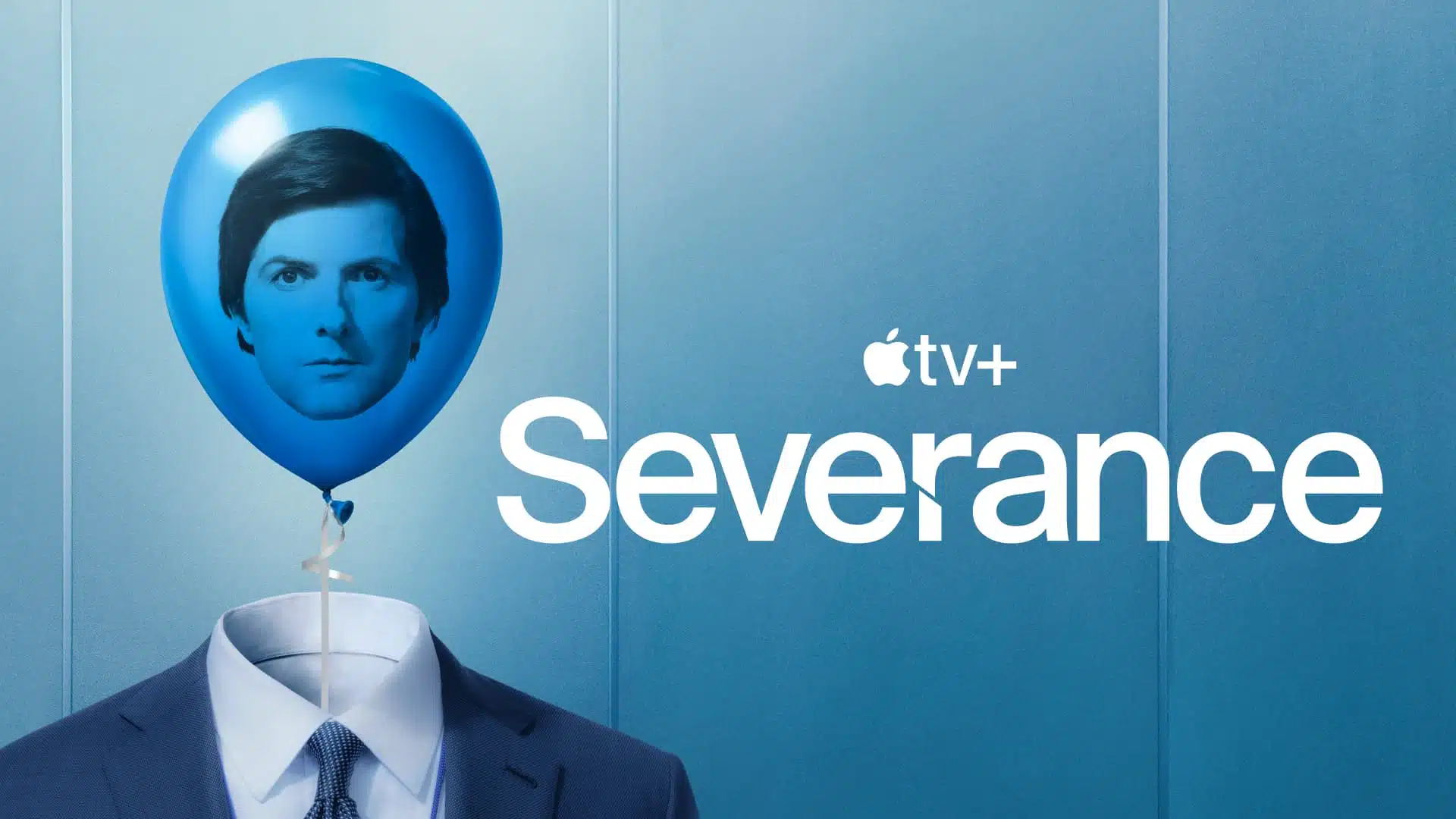
The television series ‘Severance’ sparks a surge of interest in real-world locations and concepts that mirror the fictional Lumon Industries. Fans seek experiences that replicate the show’s unsettling corporate environment. Locations that possess the show’s stark, minimalist aesthetic attract attention. Online forums and social media groups discuss the show’s themes and seek real-world parallels.
Locations with specific architectural styles become points of interest. Buildings with long, sterile hallways and minimalist interiors draw comparisons to Lumon’s headquarters. People share photographs and videos of these spaces, noting similarities to the show’s set design. The architectural style known as corporate brutalism gains visibility. This style features concrete structures and a lack of ornamentation. This style matches the Lumon aesthetic.
The show’s themes of data manipulation and employee control resonate with current discussions about workplace technology. Companies that develop workplace monitoring software receive increased scrutiny. Discussions arise about the ethical implications of these technologies. Concerns about employee privacy and data security become more prominent. Public records related to workplace technology companies are examined.
The concept of “severance” itself leads to philosophical discussions. People debate the ethical implications of separating personal and professional identities. The show’s portrayal of memory manipulation raises questions about the nature of consciousness. Academic papers on the psychology of work and identity see increased readership.
The Bell Labs Holmdel Complex in New Jersey gains attention. The building’s vast, open interior and unique architecture become a focus for fans. The building’s design features long, unbroken corridors and a central atrium. These features reflect the Lumon aesthetic. The building’s history as a research facility adds to its mystique.
Online communities develop around the show. Fans create detailed analyses of the show’s plot and themes. They share theories and interpretations. They discuss the show’s social commentary. They explore the show’s representation of corporate power.
The show’s use of color and lighting influences fan discussions. Specific color palettes and lighting techniques are analyzed. Fans note the use of cool, sterile colors in Lumon’s offices. They discuss the impact of these visual elements on the show’s atmosphere.
The show’s depiction of workplace rituals and routines sparks discussions about corporate culture. People examine the ways in which companies use rituals to control employees. They discuss the psychological impact of these practices. The show’s portrayal of the “perpetual work” concept raises questions about the work-life balance.
The show’s popularity leads to increased interest in the science fiction genre. Books and films with similar themes see a rise in sales and viewership. The show’s influence extends beyond television. It influences discussions about technology, work, and identity.
The concept of “innie” and “outie” identities sparks psychological analysis. People discuss the idea of fragmented selves. They explore the ways in which work can impact personal identity. The show’s portrayal of memory loss raises questions about the nature of self.
The show’s use of symbolism and allegory prompts detailed analyses. Fans explore the show’s hidden meanings. They discuss the show’s social and political commentary. The show’s narrative structure encourages viewers to question the nature of reality.
The show’s production design influences fan interpretations. The show’s set design creates a sense of unease and disorientation. The show’s visual style contributes to its overall atmosphere. Fans pay close attention to the details of the show’s set.
The show’s themes of isolation and alienation resonate with many viewers. The show’s portrayal of corporate control reflects anxieties about modern work. People discuss the show’s relevance to their own lives. They share personal experiences related to the show’s themes.
The show’s impact extends beyond entertainment. It provokes discussions about the future of work. It raises questions about the ethical implications of technology. It encourages viewers to think critically about the world around them. The show’s influence continues to grow. Fans seek to understand the show’s deeper meanings.