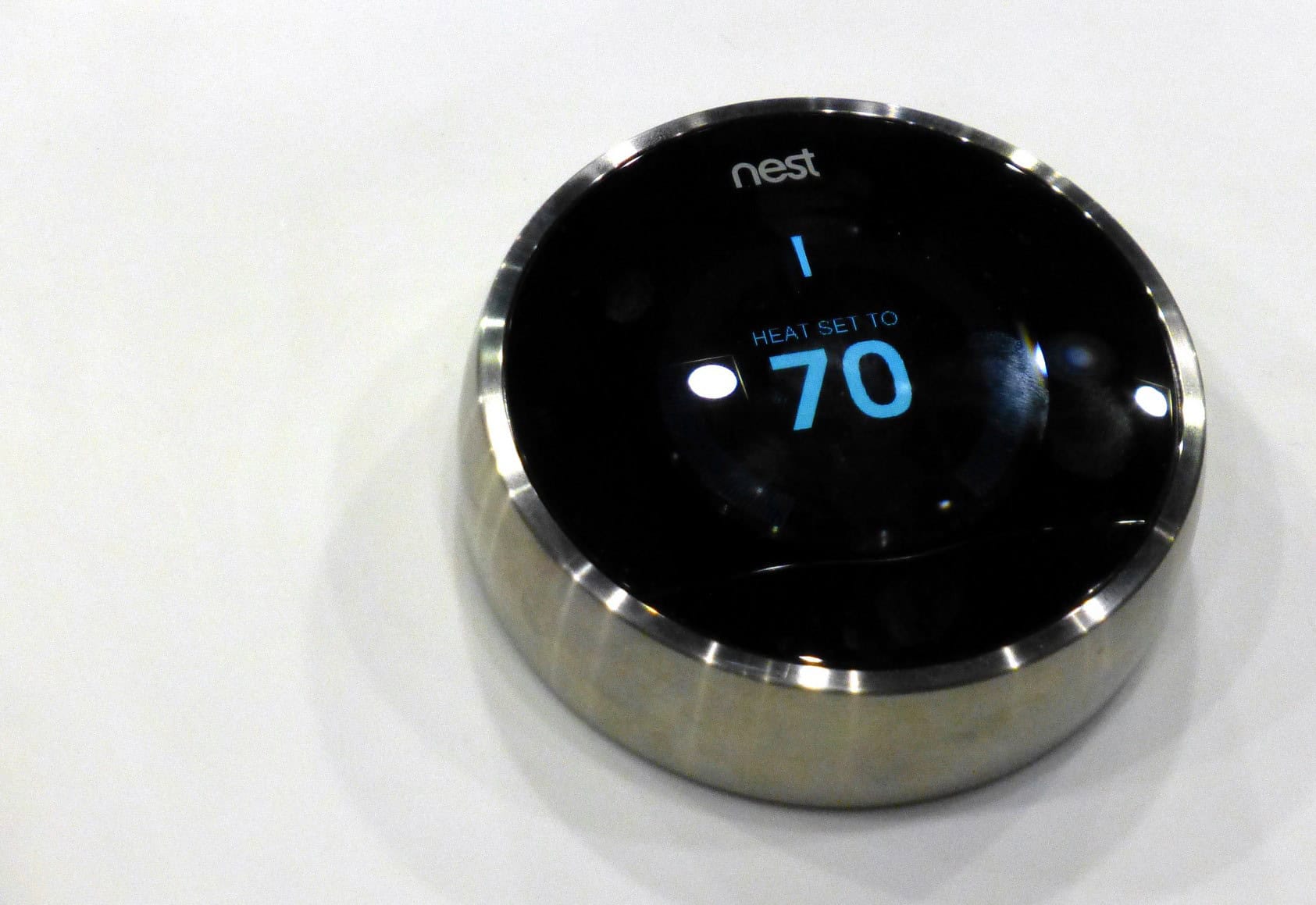
For years, the round, sleek design of the Nest Learning Thermostat graced walls, promising a smarter, more efficient way to heat and cool homes. Early adopters of the smart home revolution invested in the 1st and 2nd generation models, trusting in the technology to learn their habits and save them money. But that era is drawing to a close for these pioneering devices, as Google announces an end to software updates and, crucially for many, remote control capabilities.
Starting October 25, 2025, the Nest Learning Thermostat (1st gen, 2011), Nest Learning Thermostat (2nd gen, 2012), and the Nest Learning Thermostat (2nd gen, Europe version, 2014) will no longer receive software updates. This change marks a significant shift for owners who have relied on these devices for over a decade. Google states that supporting these older models has become increasingly challenging due to their early hardware.
The impact for users goes beyond just the cessation of updates. The most significant change for many will be the loss of remote control. Imagine this: you’re on vacation, the weather unexpectedly changes, and you want to adjust your home’s temperature. If you own a 1st or 2nd gen Nest, you will no longer be able to open the Nest or Google Home app on your phone and make that simple adjustment. The convenience of controlling your climate from anywhere disappears.
This also means the end of control through Google Assistant. Asking your smart speaker to change the temperature will no longer work for these specific models. Features that rely on connectivity, such as Home/Away Assist, which automatically adjusts the temperature based on whether you are home, will also cease to function. For users who have grown accustomed to these smart features seamlessly managing their home’s climate, this represents a considerable step back.
However, it is not a complete shutdown. Google confirms that the core function of the thermostat will remain. You can still walk up to the device on your wall and manually adjust the temperature, change modes, or modify existing schedules directly on the thermostat itself. Your pre-set schedules will continue to run. The thermostat will still regulate your heating and cooling system based on these manual settings.
This situation highlights a reality of the connected world: older technology eventually reaches a point where ongoing support becomes impractical. The 1st generation Nest thermostat was released in 2011, a time when the smart home landscape was vastly different. The hardware limitations of these early models make it difficult to keep pace with evolving software and security standards.
For owners of these affected thermostats, the news might bring a sense of frustration or even disappointment. They invested in what was, at the time, cutting-edge technology, expecting a long lifespan of smart functionality. While the devices will still perform their basic duty of controlling temperature, the loss of features like remote access fundamentally changes the user experience they have known for years.
Recognizing the impact on their early customers, Google is offering a path forward. Owners of the affected models are being offered discount programs to upgrade to newer Nest thermostat generations. In the United States, eligible users can receive a $130 discount on the purchase of a 4th generation Nest Learning Thermostat (MSRP $279.99). Canadian owners can get a $160 discount (MSRP $379.99). In Europe, the offer is a 50% discount on the Tado Smart Thermostat X – Starter Kit, which supports Google Home. Google is reaching out to eligible owners via email with details on how to access these offers.
It’s worth noting that this change specifically impacts the 1st and 2nd generation Nest Learning Thermostats. Newer models, including the 3rd generation Nest Learning Thermostat, Nest Thermostat E, and the latest Nest Thermostat (4th gen), are not affected by this announcement and will continue to receive updates and support.
The end of support for these early Nest thermostats serves as a reminder that even smart devices have a product lifecycle. While it may be inconvenient for those who rely on the remote features of their 1st or 2nd gen models, the devices will still function as basic thermostats. The offered discounts provide an opportunity for users to transition to newer technology that Google will continue to support, ensuring they can maintain the smart home capabilities they value. Owners of the affected models should watch their email for information on the upgrade offers and consider how the loss of remote control will impact their daily use before October 25, 2025.