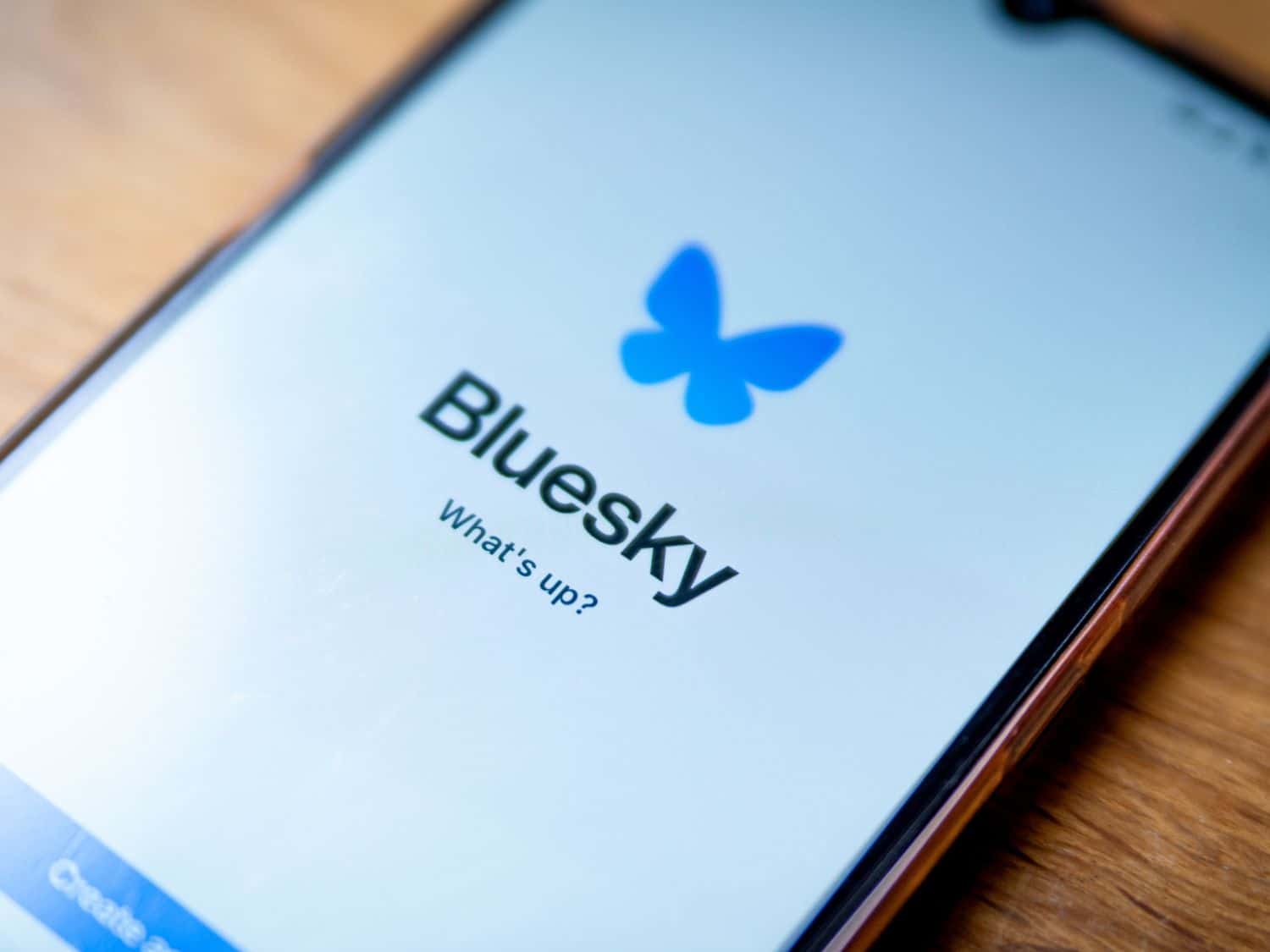
Bluesky, the decentralized social network, just took a significant step in shaping online identity, rolling out its anticipated blue check verification system today, April 21, 2025. But don’t think of it as just another checkmark; Bluesky is approaching verification with a distinct philosophy, aiming to foster trust through a more distributed model than the centralized systems we’ve become accustomed to. This move injects a new dynamic into the platform, sparking conversations about credibility and authenticity in the ever-evolving digital town square.
For months, whispers and code snippets hinted at this development. Now, the blue checks are starting to appear, a visual signal designed to help users identify authentic and notable accounts. However, Bluesky isn’t simply replicating the verification models of older platforms, which have faced criticism for their opacity and, in some cases, pay-to-play approaches that seemed to dilute the meaning of the checkmark. Instead, Bluesky is weaving a more complex tapestry of trust.
At the heart of Bluesky’s new system is the introduction of “Trusted Verifiers.” Imagine reputable organizations – perhaps news outlets, professional bodies, or other established institutions – empowered to directly issue blue checks to accounts they can vouch for. This moves away from a single, central authority holding the keys to verification and distributes that power, allowing trust to be established through recognized entities within specific communities or fields.
When you encounter a blue check on Bluesky, you’ll notice a key difference. A standard blue check, a solid blue circle with a white checkmark, will denote accounts verified directly by Bluesky itself. These are likely to be prominent public figures, organizations, or other accounts Bluesky proactively authenticates.
But then there are the scalloped blue checks. These visually distinct markers signify accounts that have been verified by one of the designated “Trusted Verifiers.” This subtle yet important visual cue tells you that the credibility of this account is being vouched for by a specific, recognized third party.
This layered approach offers users a more nuanced understanding of why an account is verified. A simple tap on any blue check, whether standard or scalloped, reveals the source of the verification. This transparency is a crucial element of Bluesky’s design, allowing users to evaluate the basis of the trust being asserted. Knowing that a journalist’s account is verified by their news organization, or a scientist’s by a research institution, provides a context that a universal, centrally issued checkmark might lack.
Bluesky’s existing method of verification, allowing users to set their domain name as their handle (e.g., @yourname.com), remains a valid way to authenticate your presence on the platform. This self-verification through domain ownership has been a foundational element of Bluesky’s identity system, offering a decentralized way for individuals and organizations to link their online presence to a recognized web property. Since this feature launched in 2023, over 270,000 accounts have adopted domain-based handles, demonstrating a user appetite for this kind of verifiable identity. The new blue check system complements, rather than replaces, this existing method, providing an additional layer of visual recognition and a pathway for verification for those who may not have a personal domain.
The platform’s decision to roll out verification in this manner reflects a deeper philosophical stance on how trust should operate in online spaces. In an era where misinformation and impersonation are significant concerns, particularly on social media, a robust and transparent verification system is seen by many as essential. By empowering trusted organizations to participate in the verification process, Bluesky is building a system that leverages existing real-world trust networks. This could potentially create a more resilient and reliable environment for identifying authentic voices.
Consider the implications: a professional organization could verify its members, ensuring that you are indeed interacting with a certified expert. A non-profit could verify its official accounts and those of its key personnel, making it harder for bad actors to create deceptive仿冒 (impersonation) accounts. This distributed responsibility for verification has the potential to scale more effectively and resist the pressures that can compromise a single, centralized authority.
The initial rollout is deliberate and measured. Bluesky has stated that they are proactively verifying a small, non-comprehensive group of notable accounts to start. Crucially, they are not currently accepting applications for verification or for organizations to become Trusted Verifiers. This suggests a phased approach, allowing the platform to observe how the system functions in practice, gather user feedback, and refine the process before opening it up more broadly. This cautious expansion could help avoid the pitfalls and backlashes that have plagued rapid, poorly implemented changes to verification on other platforms.
The contrast with platforms that have tied verification primarily to paid subscriptions is stark. While some users on other networks have been willing to pay for a blue check, the value and meaning of that checkmark have been widely debated. Critics argue that selling verification undermines its purpose as a signal of authenticity and can even empower spammers and impersonators who are willing to pay. Bluesky’s decision to initially focus on earned verification, either through proactive verification of notable accounts or through attestation by Trusted Verifiers, signals a commitment to making the blue check a genuine indicator of identity rather than a purchased status symbol.
Of course, no system is perfect, and the implementation of Trusted Verifiers will come with its own set of challenges. Establishing clear criteria for which organizations qualify as Trusted Verifiers, preventing potential abuse of the system by these verifiers, and ensuring fairness and accessibility will be ongoing tasks for Bluesky. The platform has indicated that its moderation team will review verifications issued by Trusted Verifiers to maintain a level of oversight.
For users who prefer a less visually cluttered experience, or who have concerns about the potential for any verification system to create hierarchies, Bluesky is including an option to hide blue checks in the app’s settings. This user control aligns with Bluesky’s broader philosophy of giving individuals more power over their experience on the platform, from custom feeds to moderation tools.
The launch of blue check verification marks a significant milestone for Bluesky as it continues to grow and evolve. It addresses a clear need for trust signals in a busy online environment while attempting to innovate beyond existing models. By empowering a network of Trusted Verifiers, Bluesky is betting on the power of distributed trust to build a more authentic and reliable social network. How this system matures and is adopted by users and organizations will be a key story to watch in the ongoing quest for credible online identity. The conversation around who gets a blue check and why just got a whole lot more interesting on Bluesky.