

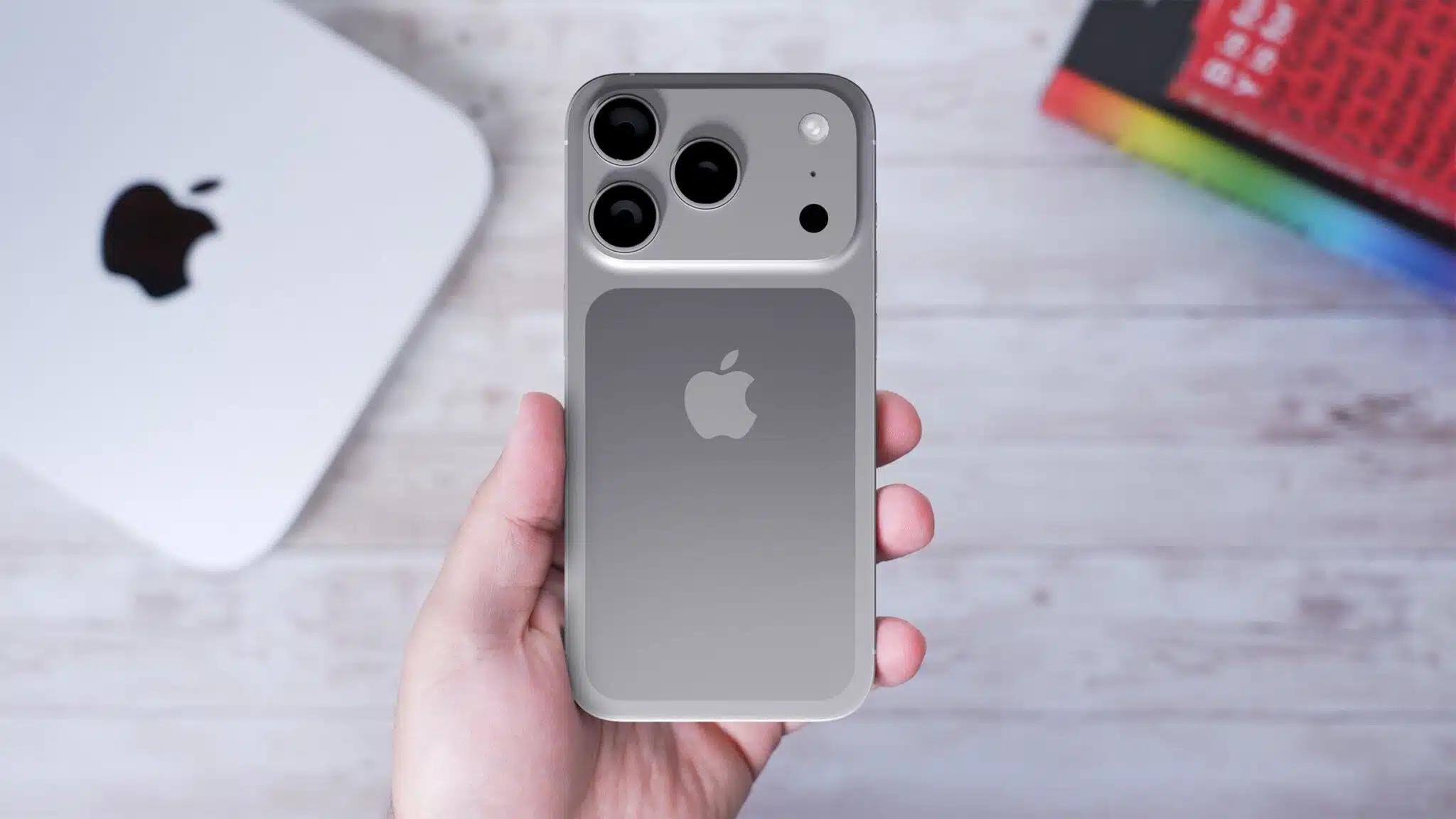
Apple’s next big iPhone release might come with more than just the usual incremental upgrades—at least, if recent leaks are anything to go by. According to well-known leaker Digital Chat Station, the iPhone 17 lineup could be in for a notable visual refresh, with some changes that might affect every model in the series. Two details stand out: thinner display bezels across the board and a redesigned Dynamic Island interface.
These tweaks, though not confirmed, point to a more immersive, possibly even sleeker user experience—whether you’re eyeing the base iPhone 17 or going all-in on the Pro Max.
Key Takeaways:
- All iPhone 17 models may feature thinner bezels, a trait previously reserved for Pro versions.
- A new user interface is rumored for the Dynamic Island across the lineup.
- The standard iPhone 17 could adopt a larger 6.3-inch display, matching the iPhone 16 Pro.
- There’s speculation over whether every iPhone 17 model will get a 120Hz refresh rate.
- Samsung Display is expected to supply advanced OLED panels for all iPhone 17 variants.
Now, let’s dig in a bit.
Thinner Bezels for Everyone?
One of the more eye-catching rumors is the shift toward thinner bezels on all iPhone 17 models. In the past, Apple kept its slimmest bezels as a kind of “Pro-only” feature—an extra reason to upgrade. Take the iPhone 16 Pro and Pro Max, for instance. Not only did they boast larger screens (6.3 and 6.9 inches), but they also carried the thinnest bezels Apple had ever shipped.
If Apple does extend that design to the standard iPhone 17 and the rumored iPhone 17 Air, it could signal a move toward a more unified design philosophy—sleek and modern, regardless of which model you choose.
Standard iPhone Gets a Size Bump
Another potentially big change: the base iPhone 17 might grow from 6.1 inches to 6.3 inches. That’s the same size as the current iPhone 16 Pro, meaning the gap between “standard” and “Pro” could continue to narrow—at least in terms of screen real estate.
The new iPhone 17 Air, if it does exist, is tipped to sit between the standard and Pro tiers. It’s expected to come with a 6.6-inch screen and—yep—those ultra-thin bezels too. Meanwhile, the iPhone 17 Pro and Pro Max should stick with their existing 6.3-inch and 6.9-inch sizes, but with even more visual polish.
Dynamic Island: Subtle but Significant Tweaks?
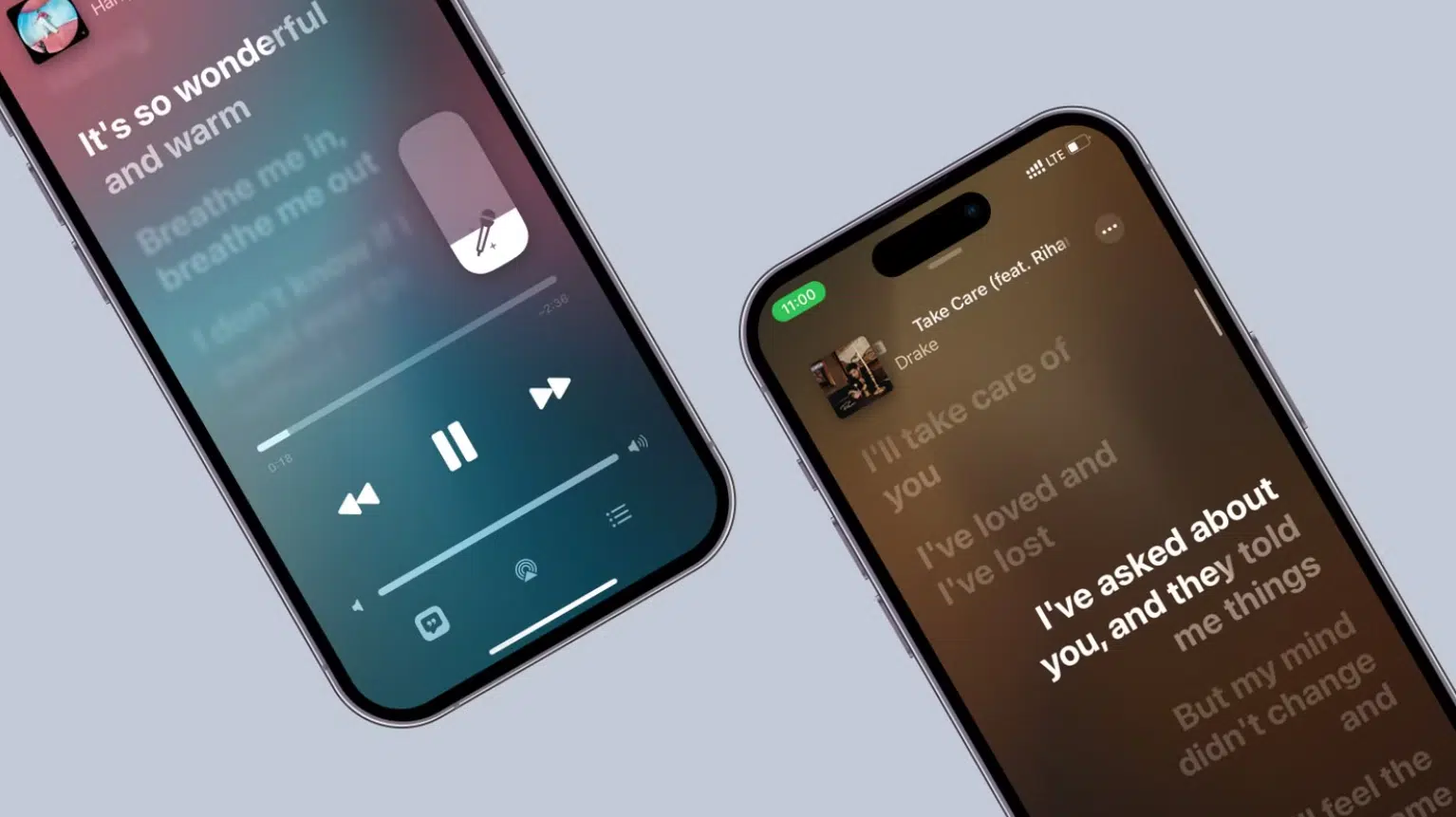
There’s also buzz about a refreshed Dynamic Island. That’s the pill-shaped cutout that houses Face ID sensors and the front-facing camera. Digital Chat Station mentioned a new UI for the Dynamic Island, though specifics are light. That said, a UI change suggests Apple could be tweaking how the feature interacts with things like alerts, background activities, and media playback.
Earlier, analyst Jeff Pu floated the idea of Apple using metalens technology to reduce the size of the Dynamic Island. If that pans out, it could lead to an even cleaner top-of-screen experience. But here’s where it gets murky: longtime Apple analyst Ming-Chi Kuo has pushed back, saying we may not see any major changes in physical design. So, for now, UI updates seem more likely than hardware revisions.
Will We Finally See 120Hz Across All Models?
This one’s been a hot topic for years. Currently, only Pro models enjoy Apple’s ProMotion tech—offering adaptive refresh rates up to 120Hz for smooth scrolling and fluid visuals. But that could be changing.
Display analyst Ross Young has hinted that all iPhone 17 models might get 120Hz LTPO OLED displays. If true, it’s a big deal. But not everyone agrees on how far Apple will take it. Some leakers believe the standard iPhone 17 might get 120Hz, but without full adaptive refresh scaling down to 1Hz, which is crucial for power-saving features like Always-On Display. So it’s possible Apple will still hold some perks back for the Pro crowd.
Samsung Display’s Role
Samsung Display looks to be playing a central role once again. Reports suggest it’ll supply M14-based OLED panels for all four iPhone 17 models. The M14 OLED material set is among the best available right now—offering better brightness, longer lifespan, and improved efficiency. If nothing else, this should translate into sharper visuals and (hopefully) better battery life across the lineup.
With a likely launch in September 2025, more concrete details will emerge over the coming months. But based on current rumors, the iPhone 17 lineup could mark a fairly significant shift—particularly in how Apple approaches design consistency across its devices.
For now, these screen-related updates—especially the push for thinner bezels and a smarter Dynamic Island—paint a picture of Apple trying to offer a more unified and premium feel throughout its lineup. Whether you’re buying the base model or splurging on the Pro Max, the experience may end up feeling a bit more… equal.
Frequently Asked Questions (FAQ)
Q1: What are the main screen changes rumored for the iPhone 17 lineup?
A1: Thinner bezels across all models and a revamped Dynamic Island user interface are the two headline changes.
Q2: Will the standard iPhone 17 get a larger screen?
A2: That’s the expectation. The base model might jump to 6.3 inches, aligning it with the iPhone 16 Pro’s display size.
Q3: Will all iPhone 17 models feature a 120Hz refresh rate (ProMotion)?
A3: Maybe. Some sources say yes, but others believe only the Pro models will get full adaptive refresh rates that support features like Always-On Display.
Q4: Which company is expected to supply the displays for the iPhone 17 series?
A4: Samsung Display is reportedly the main supplier, using its advanced M14 OLED panels across the board.
Q5: What’s the benefit of thinner bezels on the iPhone 17?
A5: Thinner bezels make room for more screen without increasing the phone’s overall size, offering a more immersive and modern viewing experience.