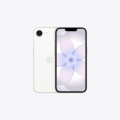


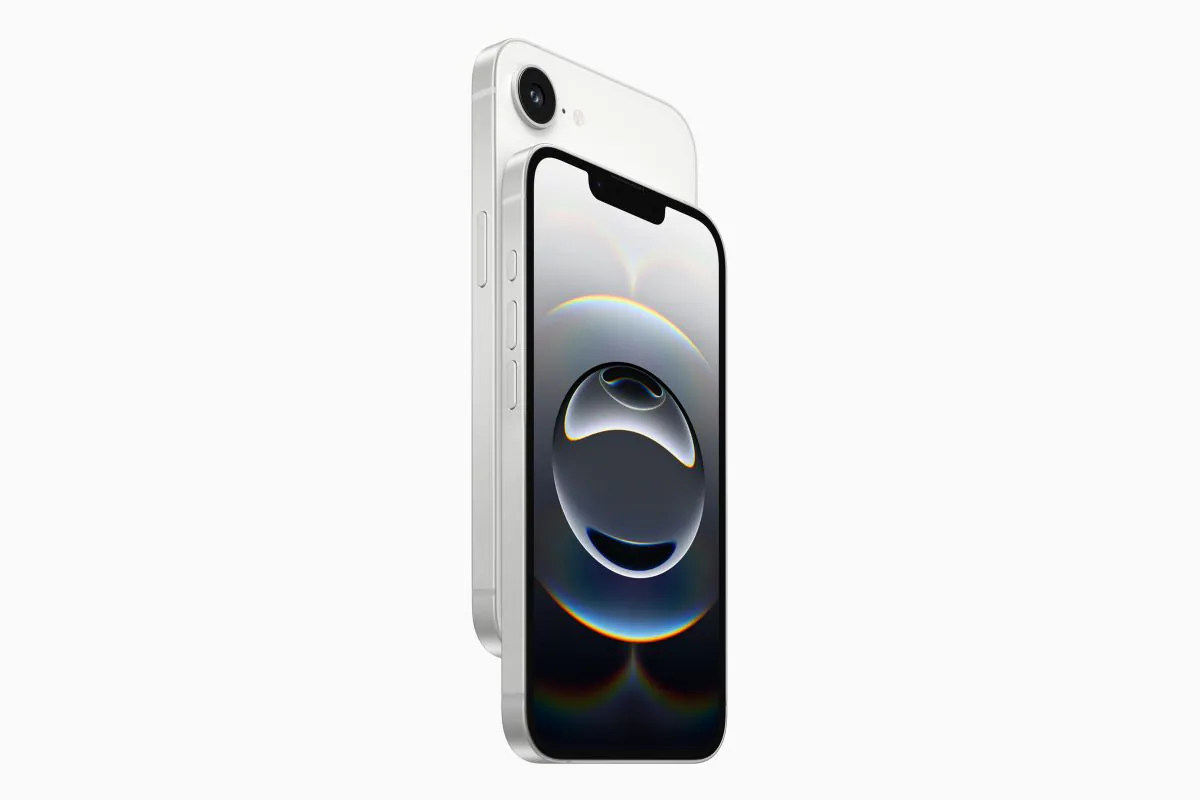
Apple confirms the iPhone 16e omits MagSafe charging capability. This decision stems from a strategic focus on cost reduction and a targeted market segment. The company aims to provide a more affordable entry point into the iPhone ecosystem. The absence of MagSafe allows for savings in component costs. These savings pass onto consumers in the form of a lower retail price.
The iPhone 16e targets users who prioritize basic smartphone functions over advanced features. MagSafe, while a popular feature, adds to the production cost. Apple’s market analysis shows a significant portion of potential buyers are price-sensitive. They are willing to forgo certain features for a more accessible price.
Internal documents reveal Apple’s focus on streamlining the iPhone 16e’s design. This simplification reduces manufacturing complexity. The removal of MagSafe components contributes to this streamlining. This design change also allows for a slightly thinner device.
Apple’s product development team conducted extensive research. They analyzed consumer preferences in emerging markets. Data indicated that wireless charging, specifically MagSafe, ranks lower in priority compared to battery life and camera performance. The iPhone 16e prioritizes these features.
The iPhone 16e maintains standard Qi wireless charging. This allows users to charge wirelessly, though without the magnetic alignment and faster charging speeds of MagSafe. The phone uses a standard aluminum back. This material is less costly than the materials used in MagSafe-compatible iPhones.
Apple’s financial reports show a growing demand for budget-friendly smartphones. The iPhone 16e addresses this demand. The company seeks to expand its user base by offering a more accessible device. This strategy follows similar patterns seen with previous “SE” models.
Industry analysts note Apple’s clear segmentation strategy. The company distinguishes between its premium and entry-level offerings. This distinction allows Apple to cater to diverse consumer needs. The iPhone 16e sacrifices certain premium features to achieve a lower price point.
Apple’s official statements confirm the focus on cost efficiency. The company emphasizes the iPhone 16e’s value proposition. It highlights the phone’s essential features and affordability. The company avoids directly criticizing MagSafe. Instead, Apple frames the omission as a strategic choice.
The iPhone 16e’s battery capacity is slightly larger than previous entry level models. This choice compensates for the lack of fast MagSafe charging. Users get extended battery life. The phone’s A15 chip contributes to power efficiency.
Retailers report strong initial interest in the iPhone 16e. Pre-order numbers exceed projections. Consumer feedback highlights the phone’s competitive price. Buyers express satisfaction with the basic features and battery performance.
Apple’s support pages provide detailed specifications for the iPhone 16e. They clearly state the absence of MagSafe. The company avoids misleading marketing. Apple communicates the phone’s features accurately.
The iPhone 16e uses a single rear camera. This camera performs well in standard lighting conditions. Apple focuses on core camera functions. The phone avoids advanced photography features seen in premium models.
Apple’s supply chain management plays a role in cost reduction. The company secures favorable component pricing. This allows for lower manufacturing costs. These savings are reflected in the iPhone 16e’s price.
The iPhone 16e’s software experience remains consistent with other iPhones. Users get access to iOS updates and core Apple services. This maintains brand consistency across different product lines.
Apple’s customer service representatives are trained to address questions about MagSafe. They provide clear explanations about the iPhone 16e’s features. They direct users to alternative charging solutions.