

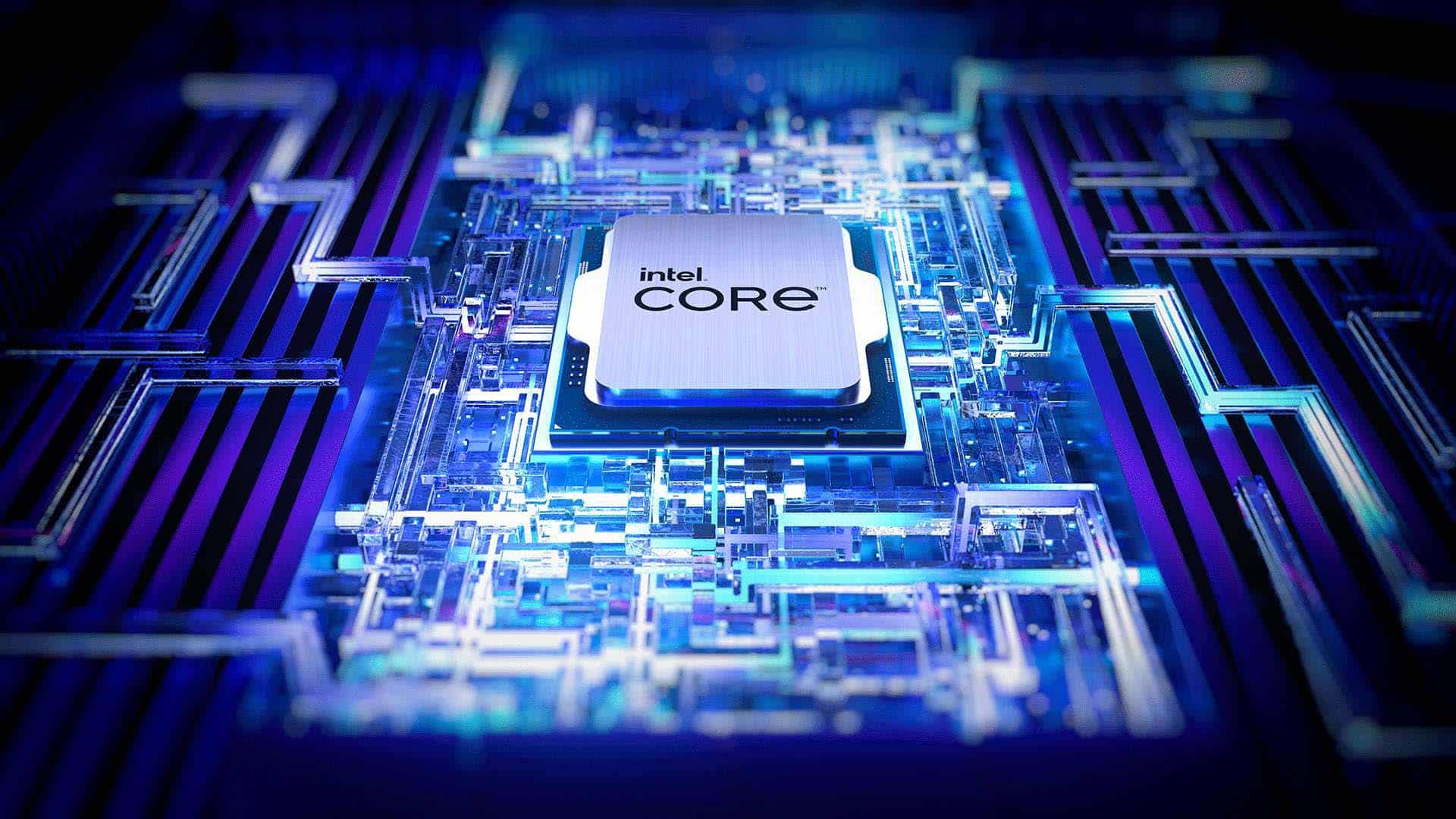
Intel is gearing up to launch its next wave of gaming CPUs under the Core Ultra series, codenamed “Arrow Lake,” sometime later this year. Word is, these chips are expected to push clock speeds higher than before, which, if true, could mean a noticeable bump in performance for PC gamers and hardware enthusiasts alike. The release is reportedly timed for around October 2024—just ahead of the holiday season—a strategic move if you’re into that sort of thing.
Key Takeaways:
- Intel’s next-gen gaming CPUs, Arrow Lake (Core Ultra 200 series), are expected around October 2024.
- Rumors point to higher clock speeds and better power efficiency.
- Flagship Core Ultra 9 285K might hit 5.7 GHz; Core Ultra 7 265K could reach 5.5 GHz.
- Arrow Lake will require new LGA 1851 socket motherboards and support faster DDR5 memory.
- The chips feature new Lion Cove P-cores and Skymont E-cores for better performance per watt.
The Core Ultra 200 series, also referred to as Arrow Lake-S for desktops, marks a pretty significant architectural transition for Intel. For starters, these chips are built on a chiplet design, splitting compute, graphics, system-on-chip (SoC), and input/output (IO) into separate tiles. The idea? Improve both performance and power management.
Under the hood, we have the Lion Cove Performance-cores (P-cores), which are expected to handle demanding workloads like gaming. Then there are the Skymont Efficient-cores (E-cores), which are more about keeping things running in the background while using less power.
As for specifics, the top-tier Core Ultra 9 285K is rumored to pack 8 P-cores and 16 E-cores—24 cores in total. It could max out at 5.7 GHz using Intel’s Thermal Velocity Boost. That’s actually a bit shy of the current 14900K’s 6 GHz peak, but Intel seems to be banking on better performance-per-watt rather than just raw speed. The Core Ultra 7 265K might come with 8 P-cores and 12 E-cores, hitting around 5.5 GHz. Meanwhile, the more midrange Core Ultra 5 245K may land with 6 P-cores and 8 E-cores, targeting boost clocks near 5.2 GHz.
That said, there’s a bit of a caveat. These chips will need new motherboards, specifically ones using the LGA 1851 socket. So if you’re thinking about upgrading, that probably means a full platform shift—not unusual with big CPU changes. On the bright side, the new boards will support DDR5 memory speeds up to 6400 MT/s, which is a clear step up from older generations.
Naturally, online chatter is mixed. Some folks on Reddit and enthusiast forums seem cautiously optimistic. They’re hoping for real gains, especially in CPU-bound games. Others, however, are still holding a wait-and-see attitude. Past Intel launches haven’t always hit gaming expectations—at least not across the board. There’s particular interest in how these CPUs will stack up in real-world benchmarks, especially in single-threaded tasks where clock speed still reigns supreme. A few users have even pointed out that current Core Ultra chips, mostly in laptops, have delivered somewhat uneven gaming results so far. So, understandably, there’s a craving for more consistency this time around.
Another noteworthy element? Intel is putting more focus on integrated graphics this time. The Arrow Lake chips will include updated Xe-LPG graphics, built on the same tech as Intel’s Arc Alchemist. It’s not going to replace your RTX or Radeon card, sure, but it should be enough for light gaming or casual multimedia tasks.
Also tucked into this new generation is a Neural Processing Unit (NPU), which sounds pretty fancy. It’s meant for handling AI workloads, but even if you’re not diving into AI tasks daily, having it there might contribute to smoother overall system performance. Perhaps a subtle improvement, but it counts.
Intel appears to be placing a lot of strategic weight on Arrow Lake. It’s not just about cranking up the speed anymore—it’s about balancing power, performance, and next-gen features in one cohesive package. As we get closer to the official release, we’ll likely see actual benchmarks and hands-on results that can tell us how well these CPUs hold up under pressure.
FAQs
Q1: What is the estimated release date for the new Intel Core Ultra gaming CPUs?
A1: The new Intel Core Ultra gaming CPUs, codenamed “Arrow Lake,” are expected to launch around October 2024.
Q2: Will I need a new motherboard for the Intel Core Ultra (Arrow Lake) CPUs?
A2: Yes, these CPUs will require the new LGA 1851 socket, meaning a compatible new motherboard is necessary.
Q3: What kind of performance improvements can I expect from the new Core Ultra gaming CPUs?
A3: Rumors suggest higher clock speeds (up to 5.7 GHz for the Core Ultra 9 285K) and improved power efficiency, promising better performance per watt and potentially stronger gaming output.
Q4: Do these new CPUs have integrated graphics?
A4: Yes, the “K” series in the Core Ultra 200 line will include integrated graphics based on the upgraded Xe-LPG (Intel Arc Alchemist) architecture.
Q5: What are P-cores and E-cores in Intel’s Core Ultra architecture?
A5: P-cores are high-performance cores for demanding tasks like gaming. E-cores are designed for efficiency, managing background or multi-threaded workloads. The architecture combines both to optimize performance and power usage.