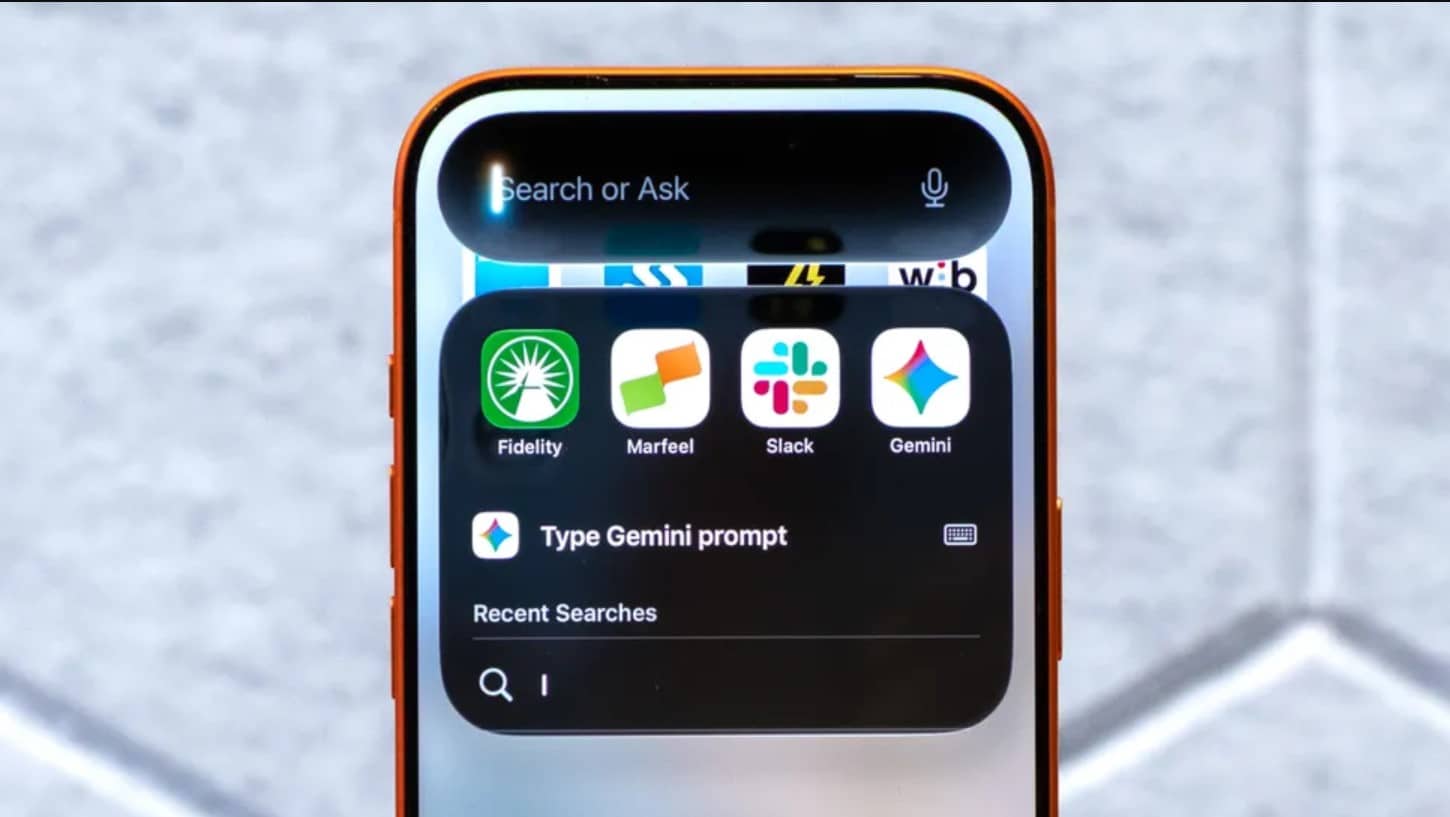
Replacing OpenAI’s ChatGPT with Apple’s upgraded Siri AI for a full working day reveals a clear division in personal artificial intelligence. While ChatGPT remains the leader in generating long text, analyzing complex data, and brainstorming creative outlines, Siri AI excels at executing direct tasks across phone applications without requiring constant copy-pasting. Apple built Siri AI directly into the operating system using on-device models and Private Cloud Compute, focusing on personal context rather than acting solely as a conversational search engine.
Key Takeaways
- Apple Siri AI handles device-level actions like retrieving specific photos, checking unread emails, and creating calendar events far faster than ChatGPT.
- ChatGPT still holds a distinct advantage in open-ended reasoning, extended coding assistance, and lengthy document drafting.
- Siri AI processes sensitive personal queries locally on Apple hardware, which keeps personal data private and avoids sending routine files to cloud servers.
- For Indian users juggling work across WhatsApp, Apple Mail, and local notes, Siri AI reduces daily taps by reading screen context directly.
Where Apple Assistant Succeeds Over ChatGPT
The primary advantage of Siri AI during an eight-hour routine lies in contextual awareness. Asking ChatGPT to reschedule an appointment requires manually uploading calendar screenshots or dictating specific dates. Siri AI reads existing calendar entries, finds related messages inside Mail, and completes the update in a single prompt.
Screen awareness proved equally useful. When looking at an address sent inside an email from a colleague in Bengaluru, a simple voice command asks Siri to create a reminder and pin the location directly into Apple Maps. ChatGPT cannot interact with native apps in this manner on mobile devices without complex external plugins or custom shortcuts. Furthermore, the response time for simple phone commands feels instantaneous because the basic model runs on the device’s neural engine rather than waiting on cloud server traffic.
The Limits of Siri AI in Daily Work
The limitations become obvious the moment work shifts from device control to creative problem-solving. When asked to evaluate an eight-point business proposal, suggest counterarguments, and write a polite counteroffer, Siri AI delivered short, somewhat rigid answers.
ChatGPT handles multi-turn conversations and nuance with noticeably better depth. It retains long conversation memory over multiple paragraphs, adjusts writing tone accurately, and synthesizes dense online research without cutting corners. Siri AI can hand off complicated world-knowledge queries to ChatGPT through Apple’s system integration, but relying on Siri as a standalone research partner reveals clear functional boundaries.
Which Tool Fits Your Routine
Using Siri AI for a day proves that phone-based artificial intelligence serves a different purpose than conversational web bots. For professionals, who need quick summaries of unread messages, automated reminders, and fast photo retrieval, Siri AI is a practical everyday tool that saves actual minutes. For students, programmers, and writers who require structured feedback and extensive drafting, ChatGPT remains completely necessary.
Frequently Asked Questions
Q1. Can Apple Siri AI replace the ChatGPT app completely?
A1. No. Siri AI handles on-device functions, system actions, and personal context, while ChatGPT remains better for in-depth writing, research, and coding.
Q2. Does Siri AI share user data with OpenAI?
A2. No. Apple processes routine requests on the device or via Private Cloud Compute. Siri asks for explicit user permission before forwarding any complex prompt to ChatGPT.
Q3. Does Siri AI work offline on supported devices?
A3. Yes, basic commands, photo searches, device toggles, and simple dictation work locally without an active internet connection.