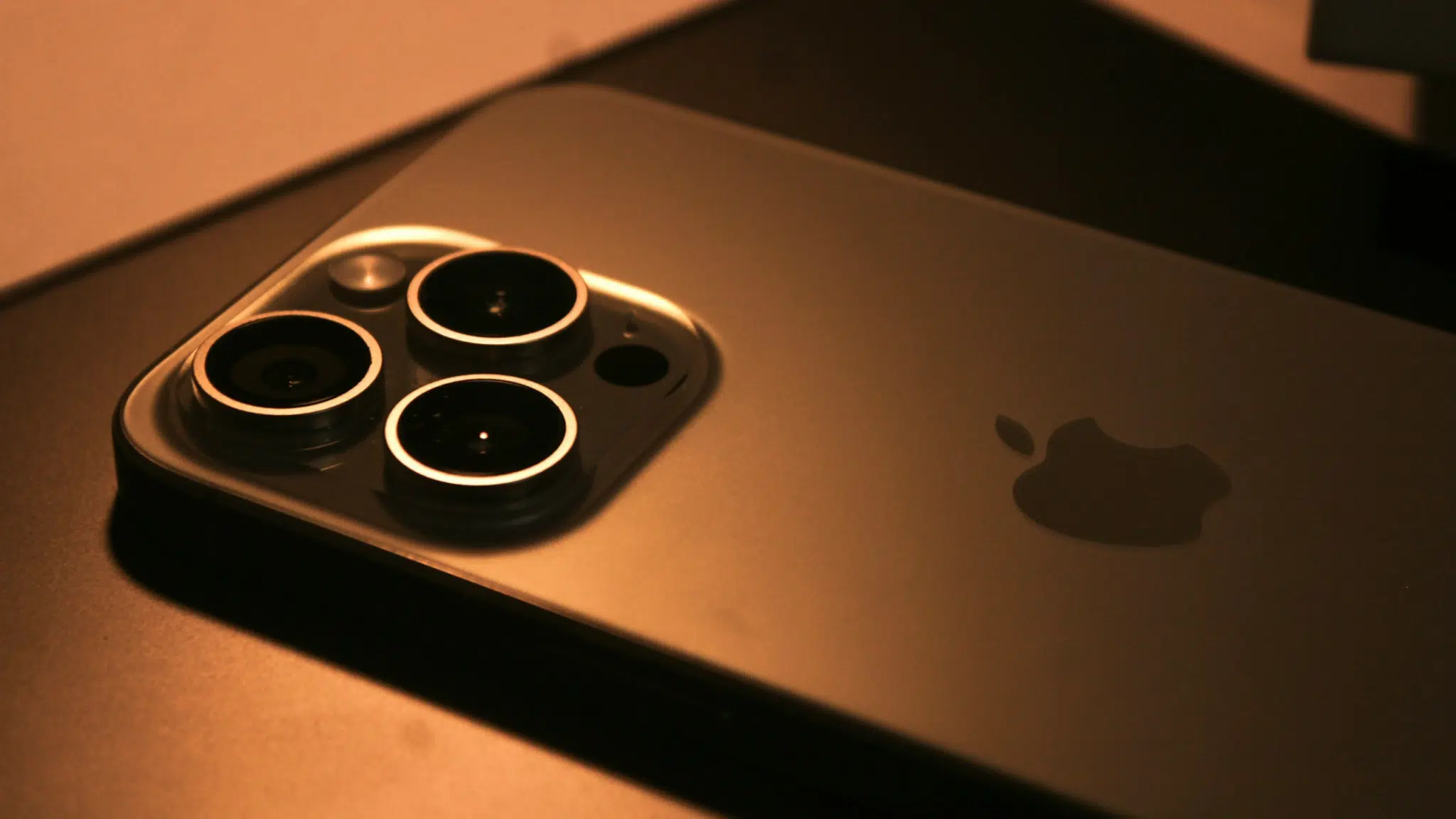

Apple has addressed rumors surrounding the removal of MagSafe charging on the upcoming iPhone 16e. The company explicitly denied that the C1 chip is responsible for this design change. Speculation had arisen within the tech community, linking the absence of MagSafe to the C1 chip’s capabilities. Apple, however, stated that the decision to exclude MagSafe stemmed from other design considerations.
The iPhone 16e, expected to be a more budget-friendly option in Apple’s smartphone lineup, has been the subject of numerous leaks and rumors. One persistent rumor involved the removal of the MagSafe charging feature. This magnetic attachment system, introduced with the iPhone 12, allows for wireless charging and accessory attachment. Its potential absence on the 16e sparked discussions among users and analysts.
Following these rumors, some tech commentators suggested the C1 chip as the reason for the MagSafe removal. The C1 chip, found in Apple Watch models, manages Ultra Wideband (UWB) technology. UWB enables precise location tracking and short-range wireless communication. Some speculated that the C1 chip might interfere with MagSafe’s functionality or that Apple chose to prioritize UWB over MagSafe in the 16e’s design.
An Apple spokesperson, in a statement released to select tech publications, clarified the situation. The statement emphasized that the C1 chip plays no role in the MagSafe decision. “The C1 chip is unrelated to MagSafe charging,” the spokesperson stated. “The removal of MagSafe on the iPhone 16e is due to other product decisions, which we are not disclosing at this time.”
This statement directly contradicts the circulating rumors. It confirms that the absence of MagSafe is a deliberate choice by Apple, not a technical limitation imposed by the C1 chip. While Apple did not elaborate on the specific reasons for the removal, they indicated that it was a strategic product decision.
The removal of MagSafe, even on a budget-oriented model, could have implications for users. MagSafe has become a popular feature, appreciated for its convenience and the ecosystem of compatible accessories it has fostered. Its absence might influence purchasing decisions for some consumers.
The iPhone 16e is anticipated to launch later this year. Its final specifications and features will be officially revealed by Apple at its upcoming product event. Until then, the tech world will likely continue to speculate about the reasons behind the MagSafe removal and other aspects of the new phone.
The clarification regarding the C1 chip and MagSafe addresses one specific point of contention. However, questions remain about Apple’s overall strategy with the iPhone 16e and its place within the broader smartphone market. The company’s focus on cost-effectiveness and feature prioritization will become clearer upon the official release.
The iPhone 16e’s potential absence of MagSafe has generated mixed reactions within the Apple user base. Some users express disappointment at the removal of a favored feature. Others acknowledge the potential trade-offs associated with a more budget-friendly device. The ultimate success of the iPhone 16e will depend on how well it balances cost, features, and user expectations.
Apple’s statement regarding the C1 chip and MagSafe serves as a reminder of the importance of verifying information in the fast-paced world of tech news and rumors. While speculation can be entertaining, official statements from the company provide the most reliable information.