

Apple has acquired Sonera Magnetics, a California-based startup developing non-invasive neural sensors that detect brain and muscle activity through magnetic fields. European Union regulatory filings under the Digital Markets Act revealed the purchase on Sept. 8, although the transaction was completed in May. Cupertino has not publicly shared the acquisition price or its specific commercial timeline for the startup’s patents.
Key Takeaways
- Apple completed the purchase of Berkeley-based Sonera Magnetics in May, with public records emerging in September.
- Sonera manufactures room-temperature magnetic sensors that measure electrical currents in human tissue without skin contact or surgical implants.
- The startup had raised 20 million dollars in private funding and developed its S1 chip for neuromuscular monitoring.
- The acquired hardware will likely support Apple Watch health metrics, AirPods, and hands-free navigation for Apple Vision Pro headsets.
How Sonera Technology Works
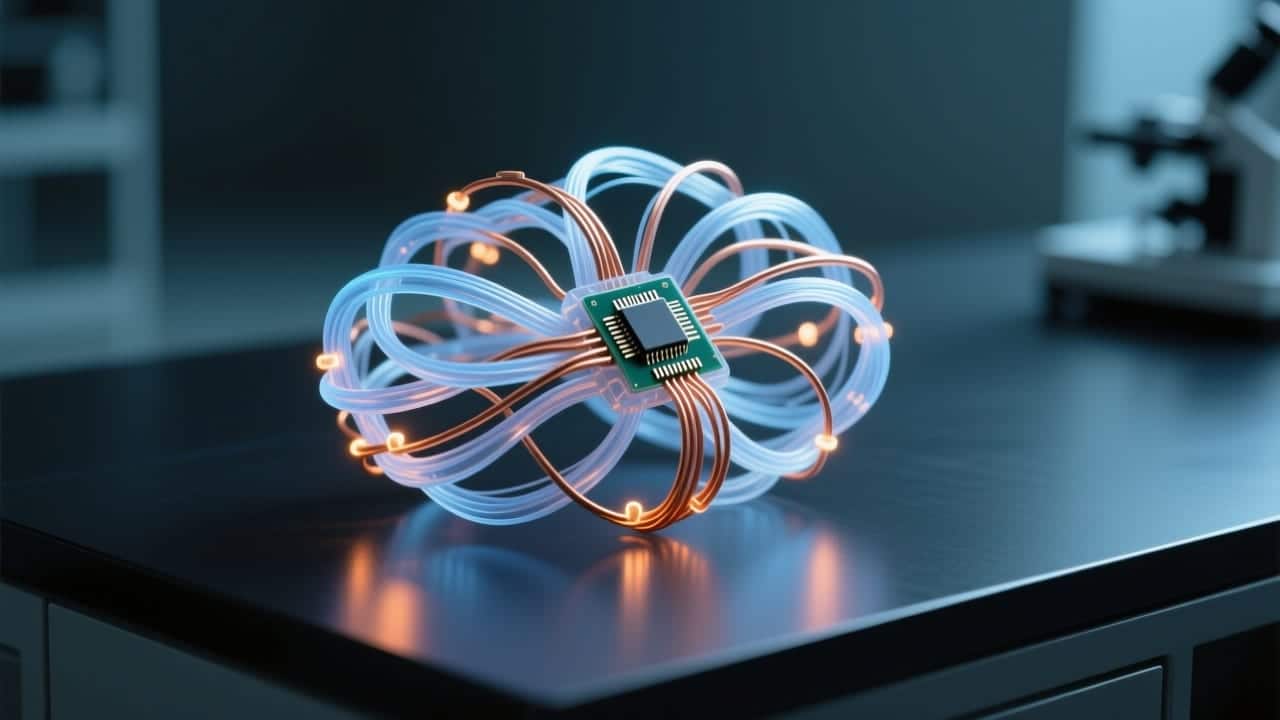
Founded in Berkeley, California, Sonera creates chip-scale magnetometers that measure tiny magnetic signals generated by active nerve cells and muscle tissue. Traditional magnetoencephalography systems need cryogenic cooling setups and specialized magnetically shielded rooms. In contrast, Sonera uses acoustically driven ferromagnetic resonance on miniature silicon chips.
This allows the hardware to operate at ambient room temperature, removing the need for cooling units or gel-based electrodes. Because magnetic fields pass through human tissue and skull bone with minimal distortion, these chips can pick up neuromuscular signals cleanly.
Before the buyout, Sonera had roughly 10 employees and had raised 20 million dollars from venture investors. The team built the S1 sensor chip specifically for high-precision muscle tracking. The company had stated its long-term goal was to make brain activity as simple to track as a person’s pulse.
Potential Uses Across Apple Devices
Unlike neural interface projects like Neuralink, which require surgical placement directly onto brain tissue, Sonera focuses strictly on external, non-invasive sensing. This setup fits Apple’s consumer design approach.
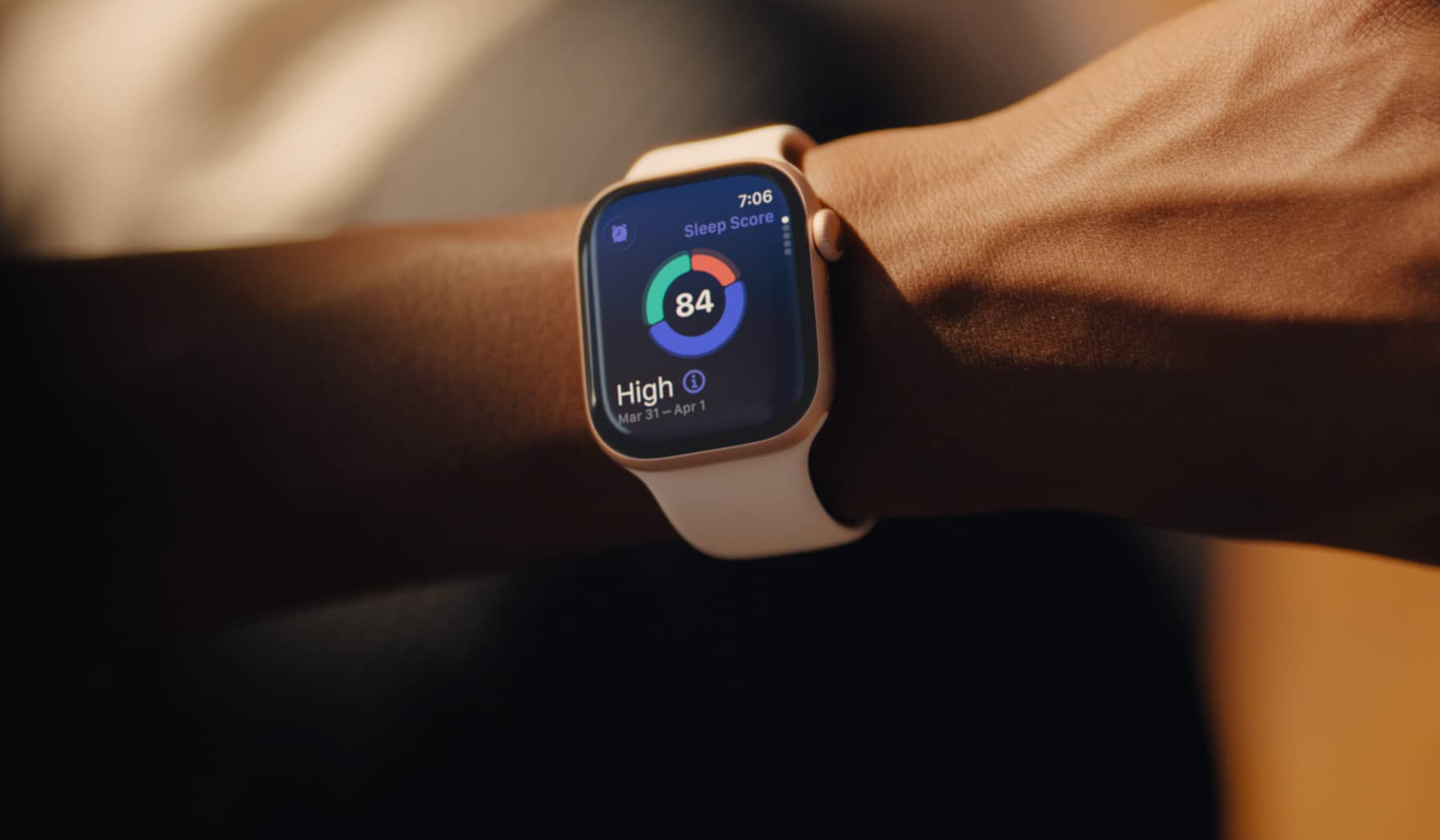
The immediate use cases point to wrist-worn hardware like the Apple Watch. Surface muscle activity in the forearm can translate subtle finger twitches into precise input commands. This could expand Apple’s existing Double Tap gesture into complex, zero-movement inputs. For mixed reality products like the Apple Vision Pro, micro-magnetic sensors placed along the headband or audio strap could register intent before a physical hand motion finishes.
Beyond basic user inputs, non-invasive magnetic tracking offers useful health data. It can assess motor control fatigue, track nerve rehabilitation, and assist individuals with severe motor disabilities.
Frequently Asked Questions
Q1. What is Sonera Magnetics?
A1. Sonera Magnetics is a Berkeley-based tech company founded to build miniature, room-temperature magnetic sensors that read brain and muscle signals without surgical implants.
Q2. How much did Apple pay to acquire Sonera?
A2. The financial terms of the deal remain private, as neither company has disclosed the purchase price.
Q3. Does Sonera require brain implants?
A3. No, Sonera creates completely non-invasive hardware that works from outside the body without needles, surgery, or wet sticky pads.