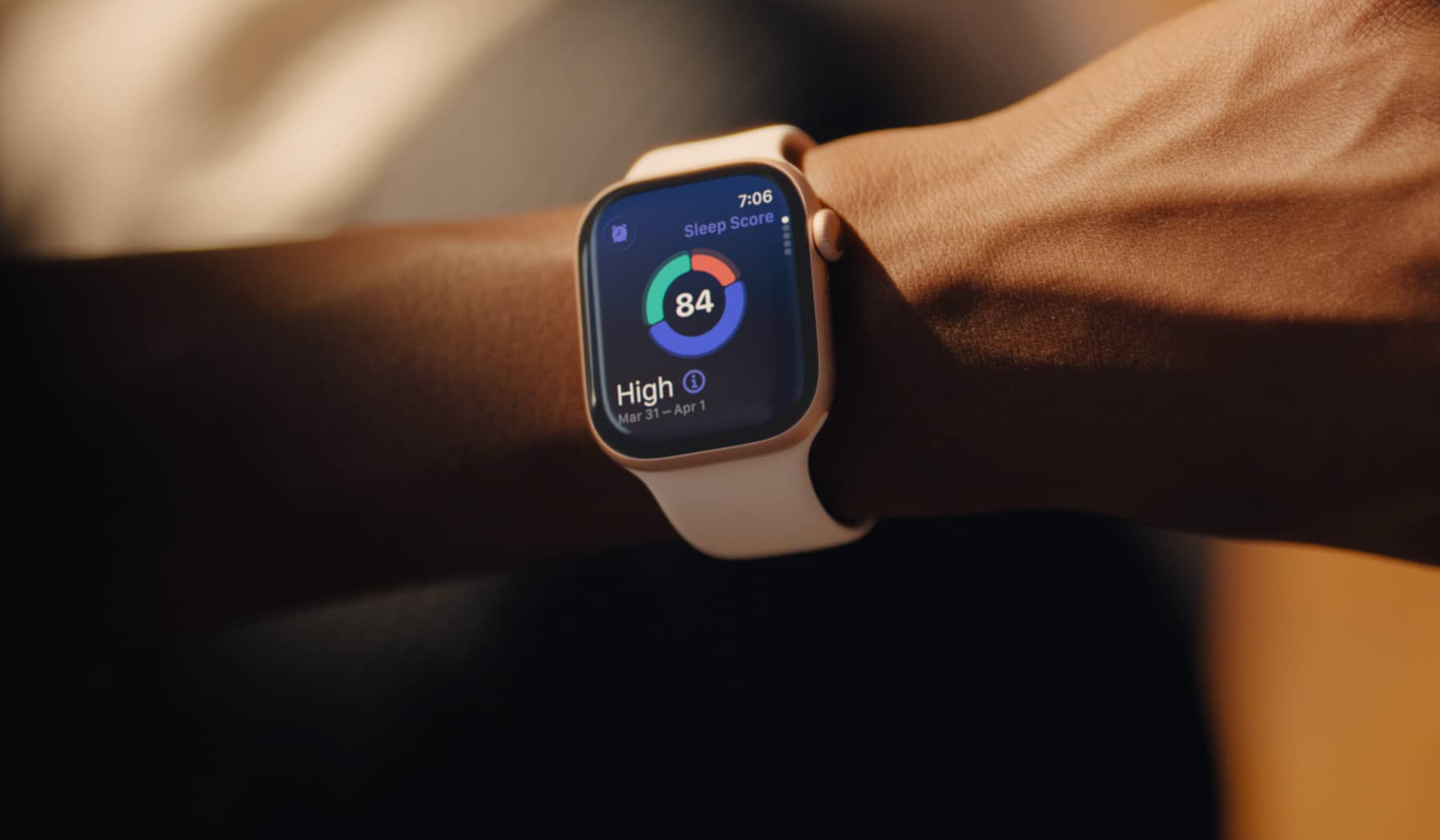
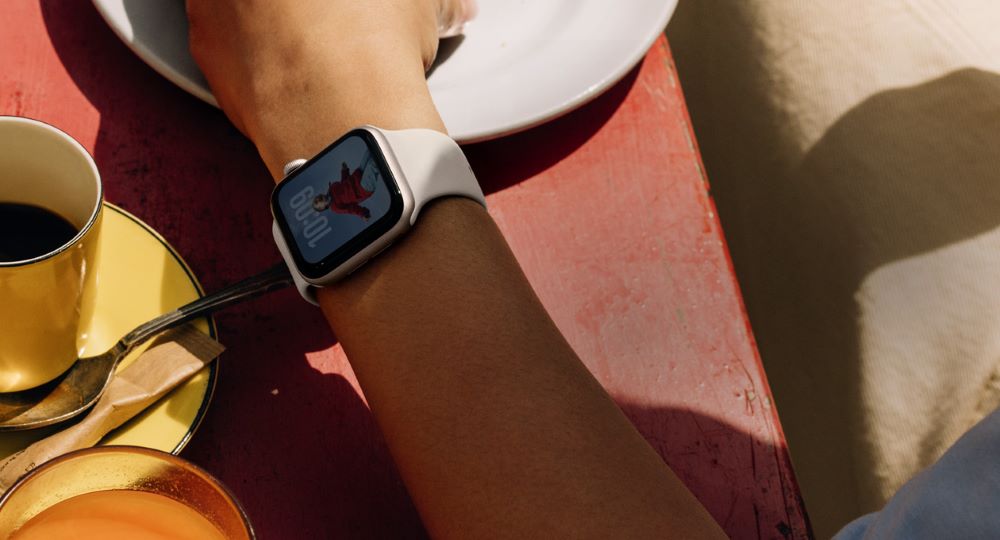
Global smartwatch shipments fell 4% year-over-year in the second quarter of 2026, recording their first market contraction in twelve months, according to research firm Counterpoint Research. In contrast to the broader decline, Apple posted a 14% jump in Apple Watch shipments during the April to June period. Strong retail demand for the Apple Watch Series 11 alongside the budget-friendly Apple Watch SE 3 drove the gain, lifting Apple’s worldwide market share from 17% up to 20.1%.
Key Takeaways
- Global smartwatch shipments dropped 4% year-over-year during the second quarter of 2026.
- Apple posted 14% annual shipment growth, capturing 20.1% of the global market.
- The Apple Watch Series 11 and Apple Watch SE 3 made up over 80% of total Apple Watch sales.
- Huawei held the number one spot globally with a 21.8% market share, leaning heavily on domestic demand in China.
- Basic fitness watches saw sharp declines as shoppers delayed purchases of bare-bones models.
Why the Wearables Market Slowed Down
Market analysts attribute the overall quarterly downturn to two shifts in buyer behavior. First, entry-level smartwatches without comprehensive health sensors saw falling demand. Budget buyers in markets like India and Southeast Asia previously purchased affordable wearables in large volumes. Many of those buyers are now holding back because entry-level models lack advanced health tools.
Second, owners of high-end watches are keeping their gadgets longer. Instead of upgrading every one or two years, premium buyers prefer waiting for major health additions, such as optical blood pressure tracking or non-invasive glucose monitoring.
How Major Brands Performed
China-based tech firm Huawei retained the top position globally with a 21.8% share, though its shipments grew just 1% compared to last year. Domestic sales in mainland China accounted for roughly 80% of Huawei’s total volume.
Apple secured second place, recording the fastest growth among the top five smartwatch manufacturers. The Cupertino firm narrowed the gap with Huawei to under two percentage points.
Kid-focused smartwatch maker Imoo took third place with a 7.8% share. Xiaomi finished fourth with 6.1% of the market after its shipments plunged 38%. Sports-focused wearable maker Garmin came fifth with a 5.6% share, helped by an 11% bump in shipments from its outdoor and running watch lineups.
Counterpoint Research projects full-year smartwatch market growth to reach roughly 1% in 2026. The long-term outlook remains positive, with market watchers predicting a 3% compound annual growth rate through 2030 as manufacturers add onboard artificial intelligence processing and advanced biometric tracking to upcoming models.
Frequently Asked Questions
Q1. Why did Apple Watch shipments rise in Q2 2026?
A1. Apple saw steady demand across key regions for its Apple Watch Series 11 and Apple Watch SE 3, which together accounted for over 80% of Apple’s wearable volume.
Q2. Who is the top smartwatch vendor in the world?
A2. Huawei held the top global position in Q2 2026 with a 21.8% share, followed closely by Apple with 20.1%.
Q3. Why did the overall smartwatch market decline?
A3. Overall shipments fell 4% because budget buyers stopped purchasing basic fitness trackers, while premium smartwatch owners delayed upgrades to wait for breakthrough health monitoring features.