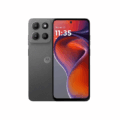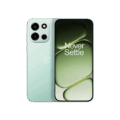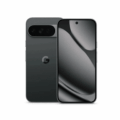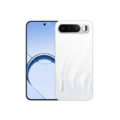
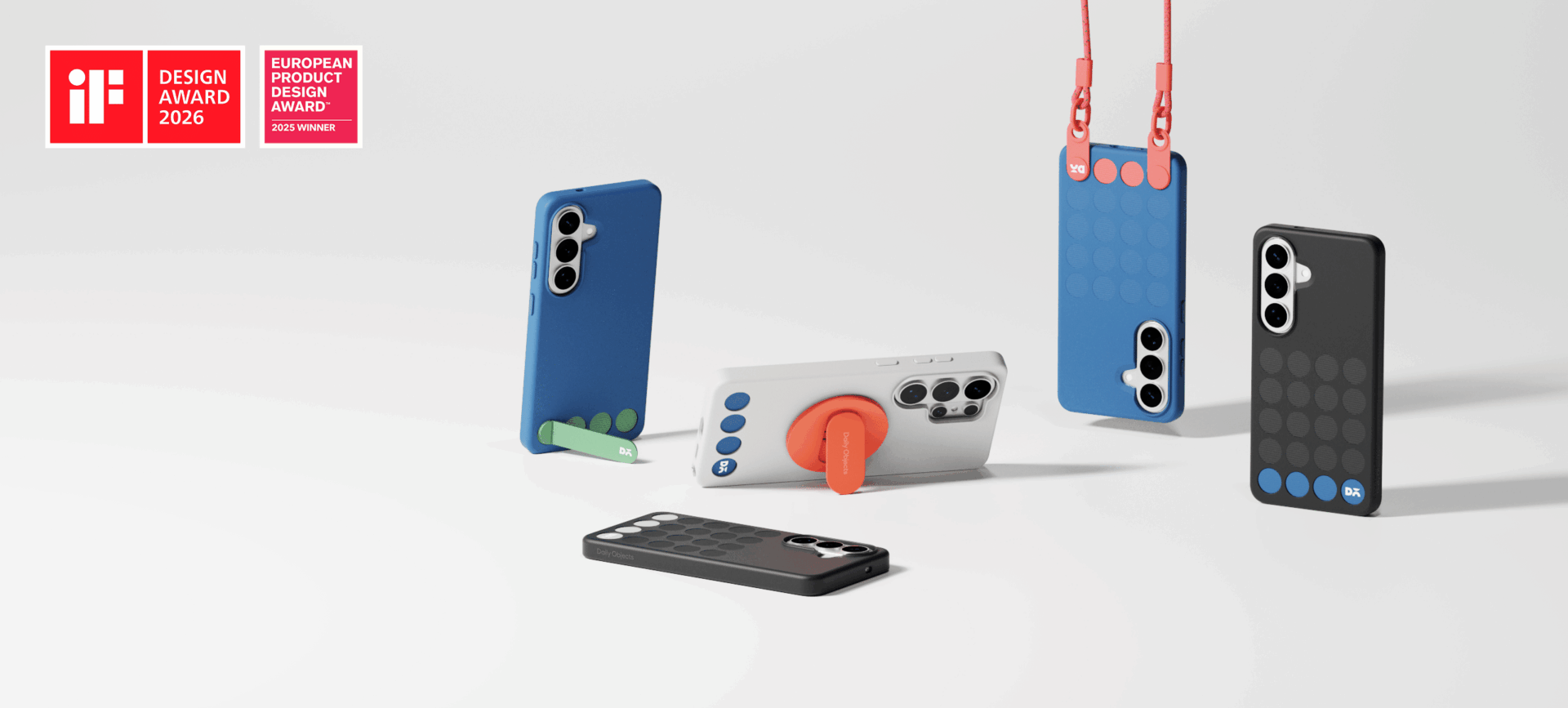
DailyObjects has expanded its Stack magnetic ecosystem to support flagship Android smartphones in India. The company announced a new lineup of protective cases and modular accessories designed specifically for the Samsung Galaxy S26 series. With this launch, DailyObjects brings a magnetic accessory system built around the Qi2.2 wireless charging standard, the latest technology governed by the Wireless Power Consortium (WPC).
For Android users, this is quite significant. Magnetic ecosystems have existed before, but they were often inconsistent or limited to certain platforms. With Qi2.2, the idea is to introduce a more unified and technically precise approach to wireless charging and accessories. DailyObjects seems to be positioning its Stack system as part of that shift.
Key Takeaways
- DailyObjects introduces Qi2.2 magnetic alignment for the Samsung Galaxy S26 series in India
- Wireless charging speeds can reach up to 25W with improved thermal efficiency
- The Stack ecosystem includes modular accessories such as phone grips, stands, and lanyards
- Cases feature the Stack-and-Lock system for secure attachment of modules
- The lineup supports the Galaxy S26, S26 Plus, and S26 Ultra
Magnetic Architecture Built Around Qi2.2
The core idea behind the Stack ecosystem is fairly straightforward, though the engineering behind it is a bit more involved. Instead of treating a phone case as just protective gear, DailyObjects designed it as a base platform for accessories.
At the center of the system is a precision-engineered magnetic array. This array ensures that the wireless charging coil inside the phone aligns perfectly with compatible chargers. That alignment matters more than people might realize. Even small positioning errors can cause slower charging speeds, wasted energy, or unwanted heat buildup.
With Qi2.2, the magnetic structure helps solve those alignment issues. When the phone snaps into position on a charger, the coils line up correctly every time. As a result, the system supports wireless charging speeds of up to 25W while maintaining better thermal control.
Qi2.2: The Next Step in Wireless Charging
Qi2.2 represents an evolution of the Magnetic Power Profile standard introduced by the Wireless Power Consortium. The update focuses on improving efficiency, stability, and charging speeds.
Earlier wireless systems often relied on simple coil placement without magnetic guidance. Users sometimes had to adjust their phone slightly to find the optimal charging position. Qi2.2 removes that uncertainty by integrating a magnetic ring that guides the device into the correct placement automatically.
DailyObjects is among the first brands in India to integrate this WPC-certified architecture into a commercial accessory lineup. For Android users especially, this could mark the beginning of a more standardized magnetic accessory ecosystem.
Modular Design and Build Quality
The Stack cases themselves are constructed using a combination of polycarbonate and thermoplastic polyurethane (TPU). Polycarbonate provides structural rigidity, while the TPU frame adds flexibility for easier installation and improved shock absorption.
Inside the case, a soft microfibre lining protects the glass back of the Galaxy S26 from dust and micro-scratches. It is a small detail, though one that tends to matter over time. For camera protection, the case includes a raised 1.2 mm bezel designed to keep the lenses slightly elevated from flat surfaces.
Where things get more interesting is the modular design. The Stack-and-Lock mechanism allows users to attach additional accessories directly onto the case.
For example:
- Stack Colour Plate: Changes the visual appearance of the case
- Stack Flex Stand: Enables hands-free viewing for videos or video calls
- Phone Grip and Lanyards: Adds convenience for everyday handling
These accessories attach through the reinforced magnetic ring, which holds them firmly in place. The cases are currently available in three primary color options: Indigo, Slate, and Carbon.
Expanding the Android Magnetic Ecosystem
According to Pankaj Garg, Founder and CEO of DailyObjects, the goal of this launch is to bring next-generation functionality to flagship Android devices. By integrating Qi2.2 technology, the company is attempting to shift the perception of a phone case from a simple protective accessory to something more like a modular platform.
That idea may sound ambitious at first. But as more smartphone manufacturers adopt magnetic charging standards, ecosystems like this could become increasingly common.
In the package for the Samsung Galaxy S26 series, customers receive one Stack magnetic case and a matching color plate. DailyObjects also provides a one-year warranty, which suggests the brand expects these accessories to handle long-term everyday use.
The company has also indicated that additional modules are already in development. As Qi2.2 adoption grows, the Stack ecosystem could gradually expand with more accessories and tools built around the same magnetic architecture.
Frequently Asked Questions
Q1: What is Qi2.2 wireless charging?
A1: Qi2.2 is an updated wireless charging standard that includes a magnetic ring to ensure precise alignment between the charger and device. It supports charging speeds of up to 25W and offers improved thermal management compared to earlier Qi standards.
Q2: Is the DailyObjects Stack case compatible with all Samsung phones?
A2: No. The new Stack magnetic ecosystem is designed specifically for the Samsung Galaxy S26, Galaxy S26 Plus, and Galaxy S26 Ultra. While DailyObjects offers cases for other phones, the Qi2.2 magnetic functionality is optimized for these new flagship models.
Q3: Can I use regular wireless chargers with the Stack case?
A3: Yes. The case works with standard Qi wireless chargers. However, the magnetic snapping and full 25W wireless charging capability require a Qi2.2 certified charger.
Q4: What accessories can I attach to the Stack case?
A4: Users can attach several modular accessories including the Phone Grip and Stand, the Flex Stand, and Phone Lanyards. These accessories connect using the built-in magnetic array.