

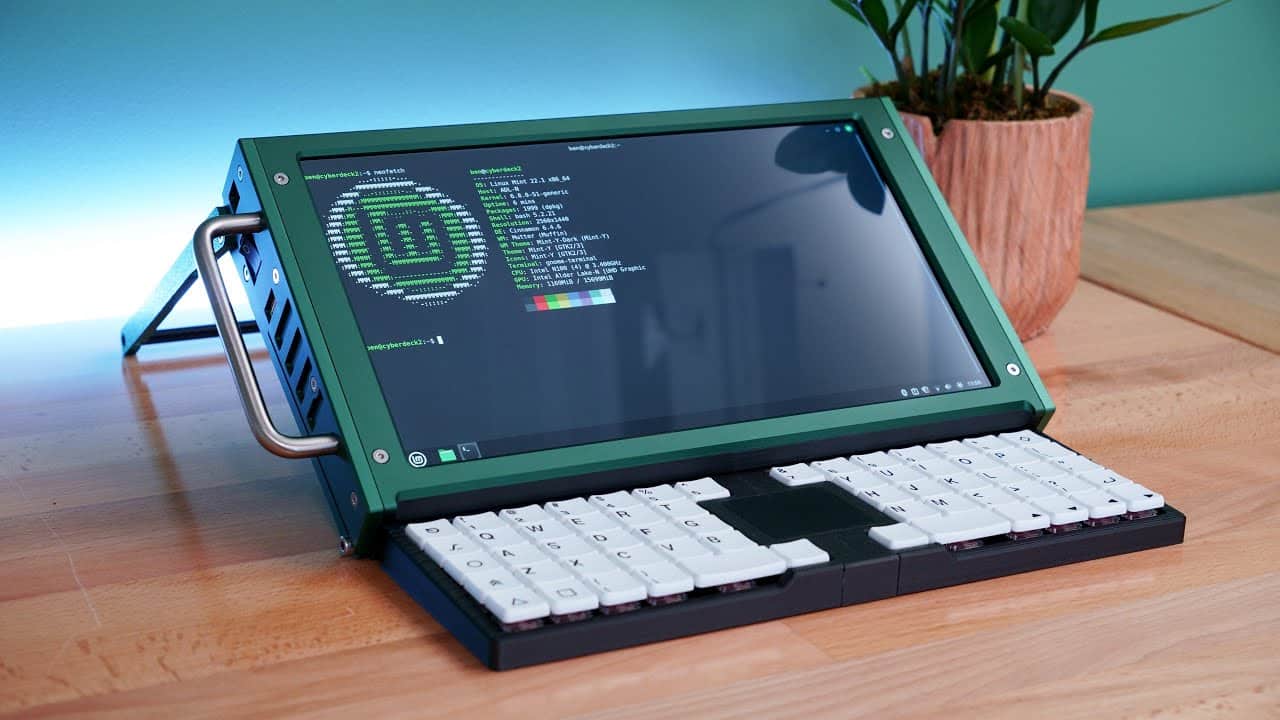
Tech builders and open-source hardware hobbyists are building portable, self-contained personal computers called cyberdecks. Inspired by classic science fiction, these custom devices combine single-board computers like the Raspberry Pi with mechanical keyboards, displays, and internal batteries inside rugged cases. Unlike standard laptops from commercial brands, a cyberdeck gives users complete hardware control, simple repair options, and dedicated tools for field programming, network diagnostics, or off-grid communications.
Key Takeaways
- Cyberdecks are handmade, portable computers built around boards like the Raspberry Pi 5 or Raspberry Pi 4.
- Most builds use 3D printed enclosures or waterproof Pelican-style cases for durability.
- Common internal hardware includes ultra-wide LCD displays, mechanical keyboards, and high-capacity lithium battery packs.
- Users run Linux distributions such as Raspberry Pi OS or Kali Linux to perform offline writing, coding, and networking tasks.
- Total build costs typically range between Rs 12,000 and Rs 35,000 depending on component choices.
Core Hardware Components
Building a basic cyberdeck requires four main hardware components. The core processing unit is usually a Raspberry Pi 5 single-board computer with 8GB RAM, which operates on a 64-bit quad-core Arm processor. Some builders also use x86 mini-ITX motherboards or the Radxa Rock 5B for higher performance needs.
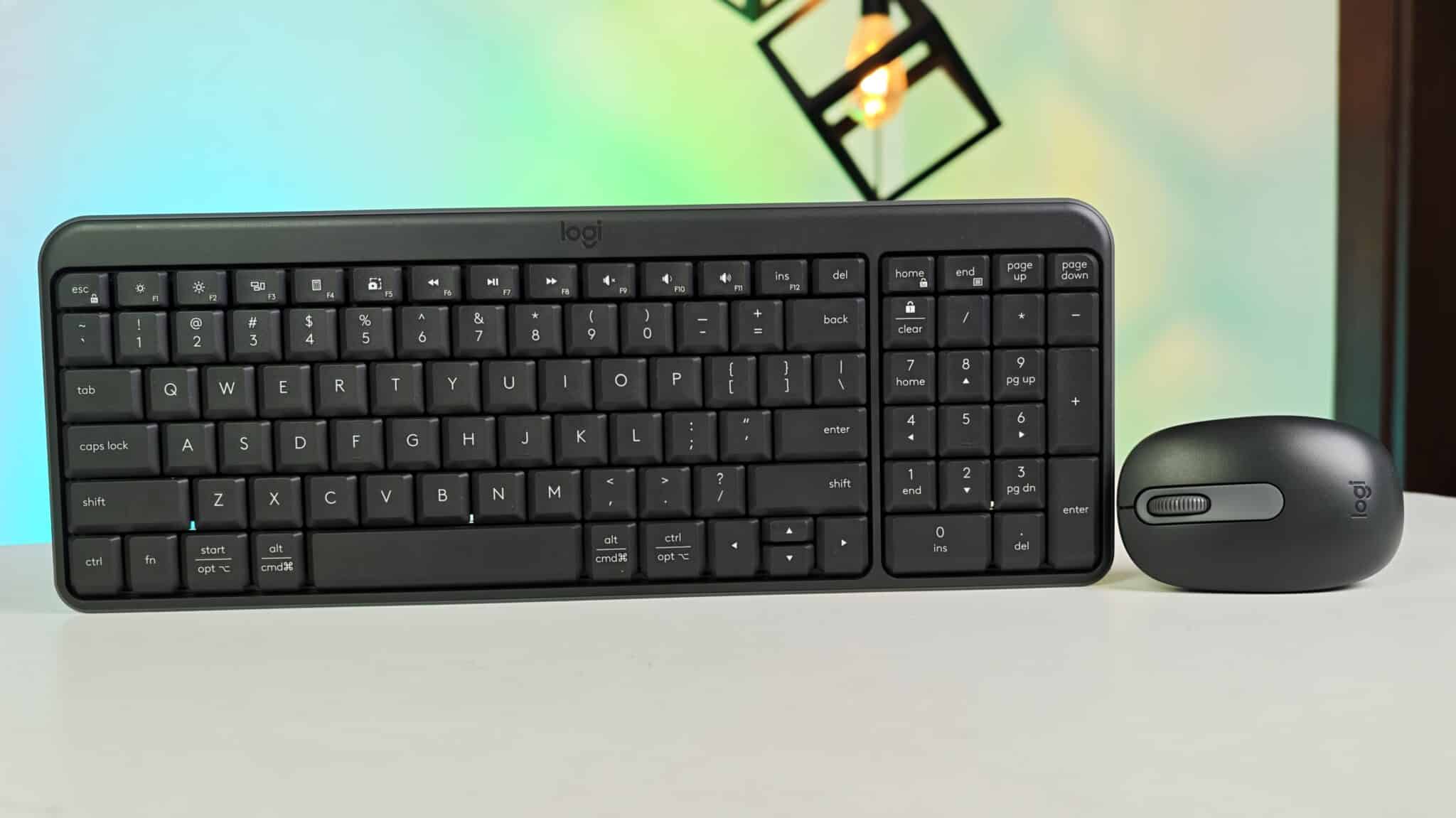
For displays, builders favor 7.9-inch to 8.8-inch ultra-wide bar LCD panels with 1920×480 or 1920×480 resolutions. These screens connect through standard HDMI or DSI ribbon cables. Input comes from compact 40 percent or 60 percent mechanical keyboards, often powered by programmable microcontrollers running open-source QMK firmware.
Power delivery relies on 5V 5A USB-C battery banks or custom 18650 lithium-ion battery packs with integrated battery management systems. These parts fit inside hard plastic tool cases or custom 3D-printed chassis made from PETG or ABS filament.
Software and Real World Uses
Most cyberdecks boot into lightweight Linux operating systems installed on fast NVMe SSD storage drives connected through PCIe hats. Software tools focus on specific tasks rather than general web browsing. Field technicians load network scanning utilities like Wireshark and Nmap. Writers install distraction-free terminal text editors such as Vim or Nano. Radio operators connect Software Defined Radio USB dongles to monitor local frequencies without internet connectivity.
Building a cyberdeck provides practical experience with electronics wiring, soldering, Linux system administration, and CAD design for custom brackets.
Frequently Asked Questions
Q. Can a cyberdeck replace a regular laptop?
A. No. Cyberdecks lack the thin profile, long factory battery runtimes, and polished software of standard consumer laptops. They are built for specific hobby, coding, and field tasks.
Q. Which operating system works best on a custom cyberdeck?
A. Raspberry Pi OS Lite, Debian, Arch Linux ARM, and Kali Linux are the most popular operating systems due to their low resource usage.
Q. Do you need a 3D printer to make a cyberdeck?
A. No. Many builders use rugged plastic storage cases, aluminum project enclosures, or local 3D printing services to hold their components.